

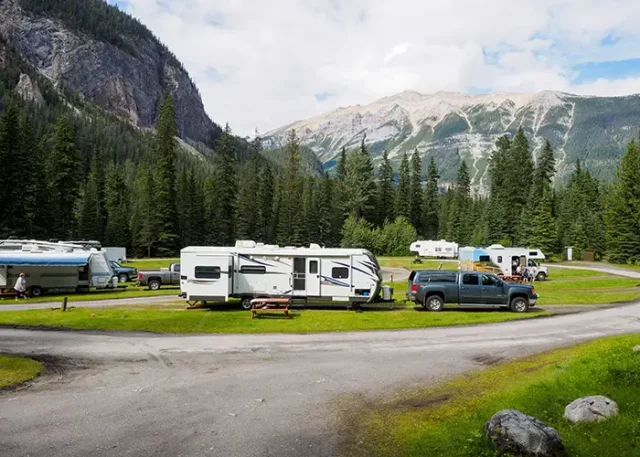
Owning an RV can make it possible for you and your family to experience all kinds of new and exciting things without having to have a huge budget to travel. You can choose to drive your RV across the country, visit all kinds of tourist locations, and partake in experiences that would not be possible without an RV.
Ideally, you will select the best RV warranty that you can afford for your RV to protect your investment and to ensure that you can afford to take care of the things that could crop up as you are enjoying your RV. RVs need routine maintenance, and sometimes, components and parts can fail. Being able to afford to fix your RV can make all the difference when it comes to enjoying adventures and having fun while you are using it.
How to Select the Right RV Warranty For Your Needs
Before you start shopping around, you need to be aware that warranty products might not cover everything that you need to have protected. You will need to pay attention to the included items that are part of the coverage profile for each RV protection plan that you look into purchasing.
Many people make the assumption that policies of this kind cover every part and component of their RV. This is not the case, and there will always be included and covered items as well as exclusions associated with your insurance policy. Each company might offer different coverage limits and different exclusions as well, so you need to understand how to look at the fine print of your policy.
Most policies will cover the following:
- Electrical systems and components
- AC and engine cooling components
- Slide-out systems
- Engine parts and components
- Transmission or brakes
- Water heaters
- Leveling systems
- Heating systems
While it can be tempting to leave some of these items out of the policy that you end up purchasing, you should be aware of the standard costs of some of the major components in your RV. A slide-out repair can cost as little as $1,000 or could be three or four times that expensive. AC repairs or replacements can add up to an excess of more than $3,000 as well. Be sure that you know what your out-of-pocket costs might be for items that are essential to your ability to use your RV before you start looking at warranty solutions.
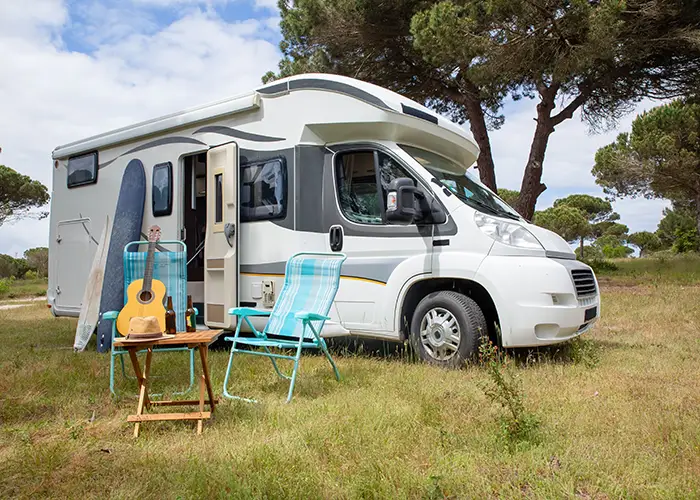
You should be sure that you consider powertrain coverage at the top of your list of items that should be protected by your RV warranty. If you can’t drive your RV, this is a big issue and one that you might not be able to resolve with cash.
You should also consider slide components and heating and cooling as major requirements for your warranty policy as well. These are items that are quite expensive to repair or replace, and having insurance coverage for them can make all the difference when it comes to being able to keep your RV in tip-top shape.
What Do These Policies Exclude?
Most standard RV warranties will exclude the same components and parts. This is because these parts or components are not essential to the use of the RV or because they are costs that are typically assumed by the owner in order to keep the RV in running and operational condition. The things that will probably be excluded from your policy are:
- Routine maintenance and upkeep
- Tires and batteries
- Weather damage
- Cosmetic damage
- Neglect-related damage
- Upgrades that were not part of the original manufacturer’s offerings
- Roof sealants or maintenance
Policies that do cover these types of items are almost always going to be far more expensive than standard policies. This might be worthwhile and within your budget, but you should make sure that you price out both kinds of policy and consider what the excluded items might cost if you need to cover repairs or replacement parts.
Ultimately, the right insurance policy for your needs is the one that covers the most components and parts for your RV, and that is within your budget. Spending money on a policy that covers added items that you might someday need to attend to but that is too expensive for your budget doesn’t make sense. Likewise, getting the cheapest policy you can buy that doesn’t cover the things that you need help with doesn’t make sense.
The correct policy for your needs can vary depending on how much you use your RV each year, how expensive parts and components are, and what kind of weather you are expecting to expose your RV to. If you do not keep your RV in storage, you should consider weather-related damage or added upkeep to be a major factor. If you keep your RV indoors or under cover, you might not need to worry about these factors as much. If you need an off-site option, you can compare local storage facilities at RV Storage HQ.
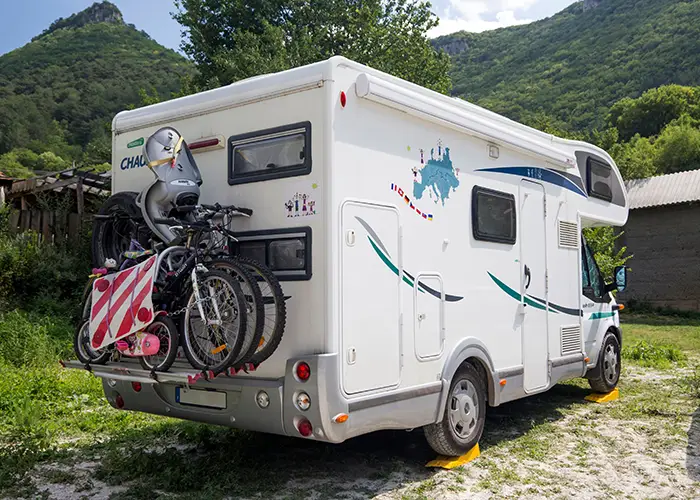
Choosing The Right RV Warranty is Important
There are so many reasons that you need to be sure that you are getting access to the correct warranty to protect your investment in your RV. Some of the items that can break down or need to be replaced on an RV are very expensive if you need to pay for them out of pocket. Other items can be hard to source replacement parts for without the support of a warranty backing your request.
You will want to be sure that whatever RV warranty you select covers the things that you cannot afford to replace out of pocket and the items that are the most likely to fail in any RV. Doing your research matters, so be sure that you check what each RV warranty includes or excludes before you buy one. The warranty that you purchase needs to offer you security and peace of mind and also ensure that you are able to enjoy your RV without running into major issues. Whether you use your RV for having fun or you live in it, a quality warranty is critical to supporting your investment.