Luxury travel is changing. The traditional image of five-star hotels, private pools and impeccable service still has its place, but many experienced travellers are now looking for something that cannot simply be bought or replicated: access to extraordinary places. Remote landscapes, remarkable wildlife and the freedom to experience nature away from the crowds are becoming just as valuable as the comforts that surround them.
For travellers drawn to this combination of adventure and comfort, Wildfoot Travel offers carefully planned luxury wildlife holidays across some of the world’s most extraordinary destinations, from African wildernesses and remote islands to the Arctic and Antarctica. The appeal goes beyond simply seeing wildlife. It is about combining expert guidance, exceptional environments and comfortable travel to create an experience that feels genuinely different from a conventional luxury escape.
Access Is Becoming The New Luxury
There was a time when luxury travel was largely defined by what was available inside the hotel. Today, the destination itself can be the greatest luxury. Reaching somewhere remote, experiencing it with a small number of other travellers and having the time to appreciate it properly can feel considerably more valuable than another conventional resort experience.
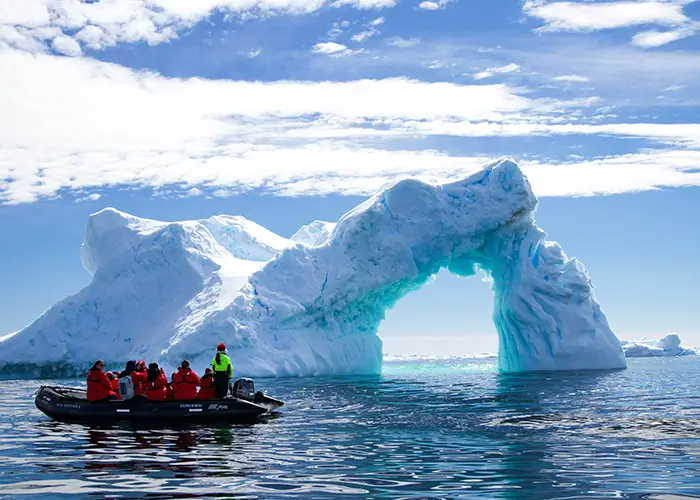
Consider Antarctica, for example. Travelling through a landscape of icebergs, glaciers and vast snow-covered horizons offers an experience that is almost impossible to replicate elsewhere. Wildlife encounters can include penguins, seals, whales and seabirds, while the sheer scale of the environment creates an atmosphere that is as memorable as the animals themselves.
The same principle applies in the Arctic, the Galápagos, remote parts of Africa and wildlife-rich islands around the world. The luxury lies partly in being able to reach these places, but also in being able to experience them without having to sacrifice the comfort that makes a long journey enjoyable.
The Wildest Places Are Often The Most Memorable
Wilderness has a quality that is difficult to manufacture. There is something compelling about standing somewhere where the landscape has not been shaped primarily for visitors.
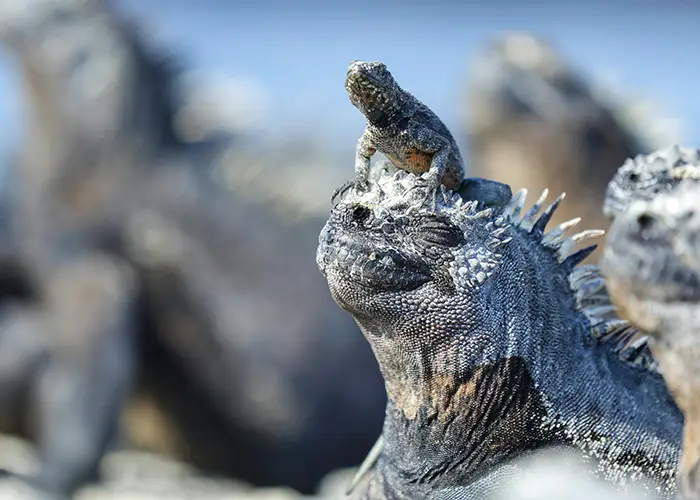
In Africa, that might mean watching elephants cross an open savannah as the light changes in the evening. In the Arctic, it could mean scanning a silent coastline for a polar bear. In the Galápagos, it might involve observing animals that have evolved in extraordinary isolation. Each environment has its own rhythm and atmosphere.
This is one reason wildlife travel can feel so different from conventional sightseeing. The experience is not simply about arriving at a landmark, taking a photograph and moving on. Travellers are entering an ecosystem and spending time observing what happens within it.
The landscape becomes part of the experience, and often part of the memory that lasts longest.
Adventure And Comfort No Longer Have To Compete
Adventure once implied a degree of discomfort. Travellers heading into remote environments expected basic accommodation, long journeys and limited facilities in exchange for the privilege of reaching somewhere extraordinary.
That trade-off is no longer necessary in quite the same way.
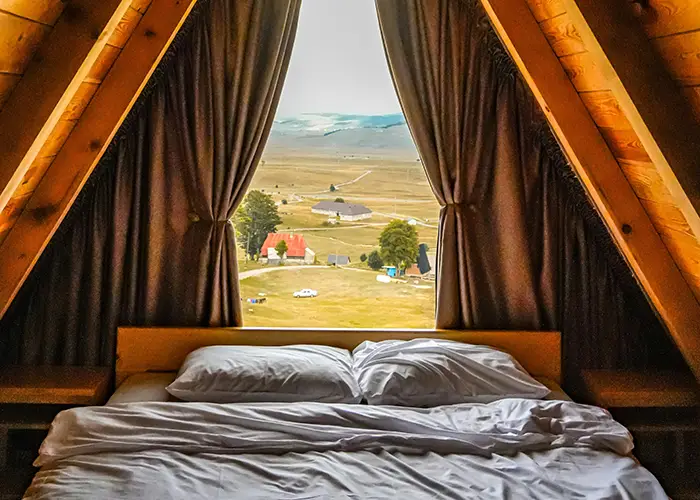
Modern expedition travel can combine genuine exploration with comfortable cabins, high-quality dining and attentive service. In the Arctic, for instance, expedition cruises can offer the opportunity to experience the region through Zodiac excursions and expert-led activities while returning to a ship offering considerably more comfort than traditional expedition travel.
The same principle applies on land. Luxury safari camps and carefully selected wilderness lodges can provide comfortable accommodation in places where the surrounding environment remains very much the star of the show.
This combination is particularly appealing because comfort does not remove the adventure. Instead, it gives travellers the opportunity to enjoy the adventure more fully.
Expert Guidance Changes The Experience
There is a significant difference between being somewhere extraordinary and understanding what you are seeing.
A knowledgeable guide can turn a distant movement in the landscape into a fascinating story. They can identify animal tracks, explain unusual behaviour, recognise calls and help travellers understand the relationships between different species and their habitats.
That knowledge becomes particularly valuable in remote environments where wildlife may not always be obvious. An experienced naturalist can teach travellers where to look, what to listen for and, just as importantly, when to remain patient.
Expertise also adds context. A wildlife encounter becomes more meaningful when you understand why an animal behaves in a particular way or how the surrounding ecosystem supports it.
For luxury adventure travellers, that depth of knowledge can be as valuable as the accommodation. The experience becomes educational without feeling like a classroom.
Luxury Wildlife Travel Goes Far Beyond The Traditional Safari
The safari remains one of the world’s great wildlife experiences, and for good reason. Africa offers extraordinary landscapes and an astonishing variety of animals, from elephants and lions to leopards, rhinos and countless bird species.
But the modern wildlife traveller has a much broader world to explore.
Polar expeditions offer a completely different kind of adventure. The Galápagos provides an opportunity to explore unique ecosystems and wildlife shaped by isolation. India combines remarkable wildlife with extraordinary culture and landscapes, while the Indian Ocean can bring together marine wildlife, remote islands and expedition-style cruising.
This variety is important because luxury wildlife travel is no longer one standard experience. It can be shaped around an individual’s interests, whether those lie with big cats, marine life, birds, photography, polar landscapes or simply the desire to explore somewhere genuinely remote.
Expedition Travel Brings Luxury To The Remote World
Few forms of travel demonstrate the meeting of comfort and adventure better than an expedition cruise.
An expedition vessel can serve as a comfortable base while giving travellers access to remote coastlines, islands and polar regions that would otherwise be extremely difficult to reach. Days might involve Zodiac excursions, wildlife watching and shore landings, followed by an evening back on board with good food and a comfortable place to relax.
The ship is therefore more than transportation. It becomes part of the experience.
Expedition vessels can combine specialist guides and activities with features such as comfortable suites, good dining and attentive service. The result is a style of travel that feels adventurous without requiring travellers to give up the comforts they value.
It also creates a useful balance between exploration and recovery. A demanding day in the field can be followed by a quiet evening watching the landscape pass by from the warmth of the ship.
The Luxury Of Space, Silence And Time
There is another kind of luxury that has become increasingly difficult to find: space.
Popular destinations can sometimes feel crowded, even when the accommodation itself is exceptional. Remote wilderness offers the opposite experience. There may be no traffic, no busy streets and few distractions beyond the sounds of the environment.
That sense of space can change the pace of a journey.
A morning spent quietly watching wildlife, an afternoon sailing through an empty stretch of ocean or an evening looking across a vast landscape can create a feeling of calm that is difficult to reproduce in a conventional holiday.
Time matters too. Wildlife does not operate according to a timetable. Travellers may have to wait for an animal to appear or spend an hour watching a landscape before anything obvious happens. Rather than being frustrating, that uncertainty can become part of the pleasure.
The luxury is having nowhere else you need to be.
Responsible Travel Adds Another Layer Of Luxury
The modern luxury traveller is increasingly interested not just in the quality of an experience but also in its relationship with the destination.
Wildlife tourism can play an important role in supporting conservation and local communities when it is managed responsibly. Travellers can contribute to places by staying with local businesses, using knowledgeable local guides and visiting protected environments where tourism helps create an economic incentive for conservation.
There is also a responsibility to observe wildlife appropriately. Keeping a respectful distance, following local guidance and allowing animals to behave naturally are fundamental to creating a positive encounter.
For travellers, this can add meaning to the experience. Knowing that a journey supports the protection of the environment makes the privilege of visiting a wild place feel more significant.
Personalisation Is Part Of The Experience
Luxury is increasingly personal.
One traveller may want to spend days photographing wildlife in Africa. Another might prefer an expedition through Antarctica, while someone else may be fascinated by the combination of wildlife and culture in India. Even among people visiting the same destination, expectations can be completely different.
This is where carefully designed itineraries become valuable. The journey can be shaped around interests rather than forcing every traveller into the same schedule.
A wildlife-focused trip might prioritise time in the field and access to specialist guides, while another journey could balance wildlife encounters with local culture, food, scenery or relaxation. The flexibility to create that balance can be particularly valuable for travellers who have already experienced more conventional luxury holidays.
The New Luxury Is About The Experience
Perhaps the biggest change in luxury travel is the shift from accumulation to access.
The question is no longer simply how impressive the hotel is or how many facilities it offers. Increasingly, travellers want to know what they can experience that they could not experience anywhere else.
That might be waking up beside an African wilderness, sailing past an Antarctic iceberg or spending several days exploring an island ecosystem found nowhere else on Earth. Comfort still matters, but it supports the experience rather than becoming the entire experience.
This also explains the growing appeal of combining luxury with adventure. The two offer something that neither can provide alone. Adventure creates the sense of discovery, while comfort allows travellers to appreciate it without unnecessary compromise.
Where Comfort Meets The Wild
The most interesting luxury journeys often begin where conventional luxury ends.
A remote landscape does not need marble floors or a rooftop pool to feel extraordinary. A quiet polar morning, a wildlife encounter at dawn or the sight of an untouched coastline can provide a far more powerful sense of privilege.
The difference is that these experiences cannot simply be manufactured. They depend on nature, location, timing and a willingness to venture beyond familiar routes.
That is where the new luxury travel experience finds its appeal. It is about reaching remarkable places, learning from people who understand them and having enough time and comfort to appreciate what is happening around you.
The ultimate luxury may not be having everything at your fingertips. It may be having the opportunity to step far beyond the ordinary — and experience the wild properly when you get there.