

For years, vacations were measured by how much travelers managed to fit into them. Early departures, packed sightseeing schedules and late dinners could leave people returning home in need of another break. A different approach is now gaining ground: traveling specifically to slow down, sleep well and recover from the demands of everyday life.
Known as sleep tourism, this emerging category places rest at the center of the travel experience. It is closely connected to wellness travel but does not necessarily require medical assessments, elaborate therapies or a rigid retreat program. Sometimes, the most restorative trip is simply one that provides quiet surroundings, a comfortable room, time outdoors and permission to do less.
The result is a new generation of restorative getaways that treat sleep not as downtime between activities, but as an important part of the vacation itself.
What Is Sleep Tourism?
Sleep tourism refers to travel motivated partly or primarily by the desire to improve sleep. At its most specialized, it can involve consultations with sleep experts, sleep tracking, circadian lighting and programs built around individual rest patterns. More commonly, it means choosing accommodations that make quality rest easier through comfortable bedding, blackout curtains, pillow menus, quiet rooms, spa treatments and low-stress surroundings.
The concept sits within the much larger wellness-tourism market. According to the Global Wellness Institute, wellness-tourism expenditures reached approximately $894 billion in 2024. The organization has since identified the search for “deep rest” as one of the defining wellness-travel trends of 2026.
Hotels are also responding to the demand. Hilton’s travel-trends research found that 70% of luxury travelers considered hotels with sleep-focused amenities, while more than one in four travelers were interested in booking a spa or wellness treatment intended to support better sleep during a trip.
Those numbers suggest that sleep tourism is more than an invented label. It reflects a broader change in what travelers expect from a vacation.
Restorative Travel Goes Beyond Sleeping In
A restorative getaway does not require spending the entire trip in bed. In fact, the most effective escapes often combine quality sleep with unhurried daytime experiences.
A quiet walk, gentle yoga session, spa treatment, afternoon beside the pool or leisurely meal can all support a slower rhythm. Natural surroundings also matter. Vineyards, beaches, mountains and darker nighttime skies create separation from the traffic, screens and constant stimulation of daily life.
Restorative travel is therefore broader than sleep tourism. It can include spa vacations, digital-detox retreats, nature escapes and slower resort stays. What connects them is the intention behind the trip: returning home with more energy than when the vacation began.
What Makes a Hotel Suitable for a Restorative Getaway?
There is no universal certification for a sleep-tourism hotel, and travelers should look beyond fashionable terminology. A property does not become a sleep retreat simply because it offers an expensive mattress or leaves herbal tea beside the bed.
The fundamentals are considerably less glamorous. A quiet room, effective curtains, adjustable temperature, supportive bedding and control over lighting can be more valuable than a collection of gadgets. A pillow menu may help, but so can choosing a room away from elevators, entertainment venues and busy roads.
The surrounding experience is equally important. Spas, hydrotherapy, yoga, uncrowded outdoor areas and attentive service can remove some of the physical and mental friction from a trip. Most importantly, travelers need enough unscheduled time to use them.
Mexico offers particularly appealing possibilities because its restorative escapes are not confined to traditional wellness resorts. A secluded wine-country hotel, a family-friendly Pacific resort and an adults-only coastal retreat can each provide a different route to rest.
El Cielo Resort & Winery: Unhurried Days in Valle de Guadalupe
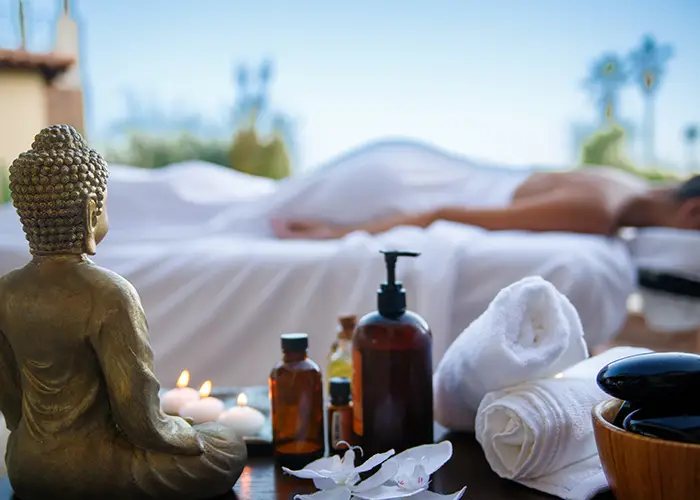
Set among the vineyards of Baja California’s Valle de Guadalupe, El Cielo Resort & Winery offers an alternative to the conventional beach vacation.
The wine-country setting is central to its restorative appeal. Mountain views, vineyard landscapes and a sense of separation from the city encourage guests to settle into a gentler pace. Days can be organized around winery tours, tastings, regional food and time spent enjoying the surrounding countryside rather than rushing between attractions.
Guests who want some activity can explore the vineyards or take a bicycle ride before returning to their accommodations. Private outdoor spaces provide a place to watch the light change over the valley, while the area’s relatively dark nighttime setting offers a welcome contrast to the glow and noise of an urban environment.
El Cielo is better understood as a naturally restorative retreat than as a specialized sleep clinic. Its attraction lies in the combination of scenery, spacious accommodations, wine-country experiences and an itinerary that can be as unstructured as the guest chooses.
One note for travelers hoping to improve their sleep: although wine is an integral part of a Valle de Guadalupe experience, alcohol can interfere with sleep quality. The National Heart, Lung, and Blood Institute notes that alcohol may make it easier to fall asleep initially but can contribute to lighter sleep and nighttime waking. Moderation—particularly close to bedtime—can help keep the focus on restoration.
Dreams Estrella del Mar Mazatlán: Wellness for Couples and Families
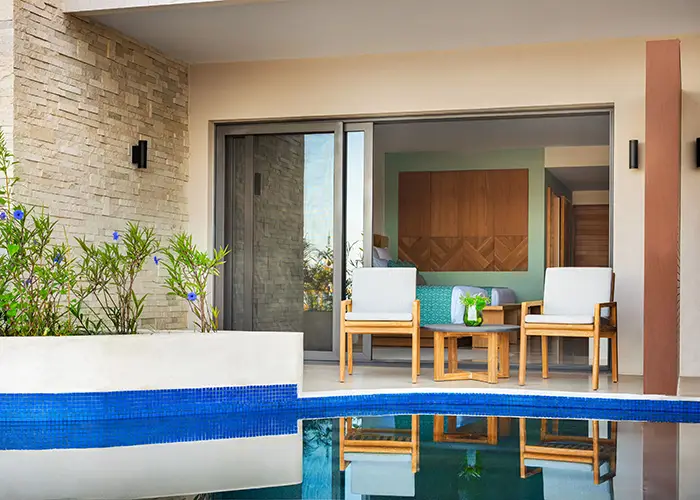
A restorative vacation can be more complicated for families, especially when adults and children have very different ideas about how to spend the day. Dreams Estrella del Mar Mazatlán Golf & Spa Resort addresses that challenge by combining family activities with spaces designed for quieter relaxation.
Located within the Estrella del Mar community outside central Mazatlán, the beachfront resort has multiple pools, a water park, a lazy river and supervised clubs for children and teenagers. These amenities give younger travelers plenty to do while adults make time for the spa, beach or golf course.
The resort’s wellness facilities are a significant part of its restorative offering. The Dreams Spa has eight treatment rooms and a hydrotherapy circuit with a sauna, steam room, specialty showers and soaking areas. Massages, body therapies and salon services offer additional ways to decompress.
Travelers seeking a quieter experience can consider the resort’s Preferred Club accommodations, some of which include access to an adults-only pool. Selected suites also feature pillow menus and blackout curtains—simple details that may be particularly valuable to guests prioritizing sleep.
Dreams Estrella del Mar demonstrates that restorative travel does not have to exclude children or require complete silence. For families, reducing stress may mean selecting a resort where activities, meals and relaxation are available in one place, eliminating the need to organize every hour of the trip.
Guests can also spend time beyond the property exploring Mazatlán’s historic center, dining scene and waterfront malecón. The key is resisting the temptation to turn those possibilities into another overloaded itinerary.
Secrets Bahia Mita: An Adults-Only Pacific Coast Retreat
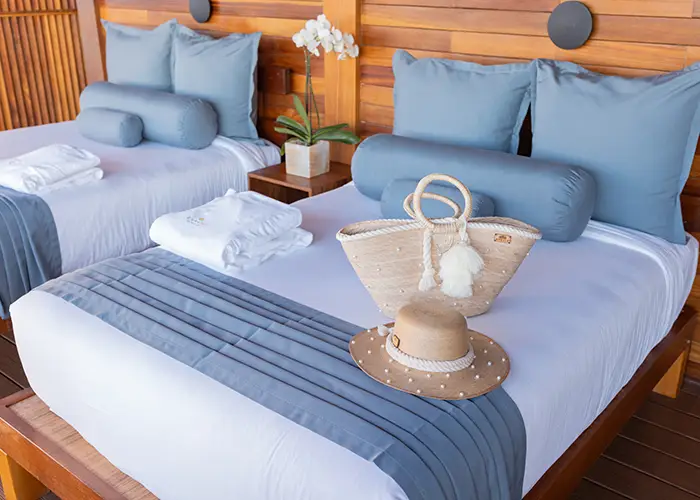
Between Banderas Bay and the Sierra Madre Mountains, Secrets Bahia Mita Surf & Spa Resort offers an adults-only setting for travelers seeking a combination of coastal relaxation and resort convenience.
The property’s elevated pools and terraces look across the Pacific, while its full-service spa includes a hydrotherapy circuit. Seasonal yoga, beach time and quiet hours beside one of the pools can create a balanced daily rhythm without requiring guests to follow a formal wellness schedule.
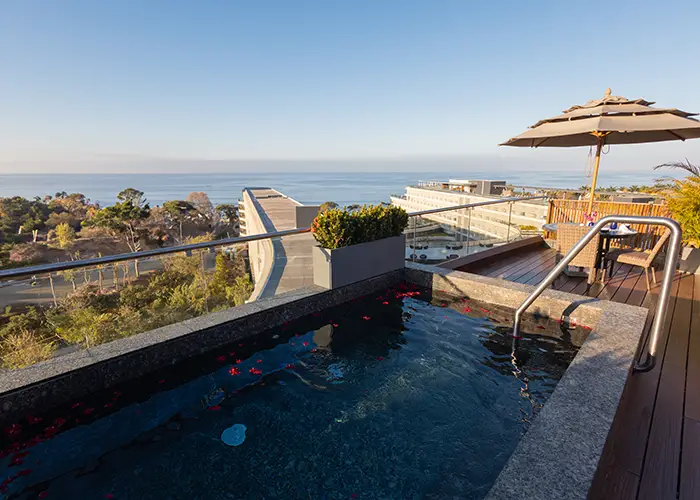
Preferred Club accommodations add features such as a pillow menu, personalized assistance and access to a private rooftop area with an infinity water deck. These services can contribute to a restorative stay by reducing the time guests spend managing reservations and other small logistical details.
The resort also offers surfing and other recreational activities for travelers who feel restored by movement rather than stillness. That flexibility is important: restorative travel does not have to mean inactivity. It can involve alternating active experiences with sufficient time for recovery.
Guests may be tempted to fill their stay with excursions around Riviera Nayarit, but the property works particularly well for travelers prepared to leave space in the schedule. A morning yoga session, time beside the water, a spa visit and an early evening can be every bit as rewarding as a full day of sightseeing.
How to Plan a More Restful Vacation
The destination matters, but personal choices can determine whether a trip is genuinely restorative. A few practical steps can help:
- Avoid scheduling activities for every morning and evening.
- Ask for a quiet room away from elevators, bars, event spaces and service areas.
- Confirm that the room has effective blackout curtains and individual temperature controls.
- Maintain a reasonably consistent bedtime, especially during longer stays.
- Get daylight and gentle physical activity during the day.
- Reduce screen use before bed.
- Limit heavy meals, caffeine and alcohol late in the evening.
- Allow time to adjust when traveling across several time zones.
These habits closely align with CDC recommendations for better sleep, which emphasize a consistent schedule and a bedroom that is quiet, relaxing and comfortably cool.
Travelers with persistent insomnia, sleep apnea or significant daytime sleepiness should not treat a resort stay as a substitute for professional care. A vacation can provide conditions that support rest, but it cannot diagnose or resolve an underlying sleep disorder.
A New Definition of a Successful Vacation
Sleep tourism may be the latest name attached to the wellness-travel market, but the idea behind it is refreshingly uncomplicated. Travelers are recognizing that a vacation does not need to be exhausting to feel worthwhile.
For some, restoration may come from watching the stars above a Baja vineyard. For others, it could mean hydrotherapy while the children enjoy a water park or several quiet days overlooking the Pacific from an adults-only resort.
The common element is intention. Instead of asking how much can be squeezed into a trip, restorative travelers are asking a different question: how do I want to feel when I return home?
Increasingly, the answer is rested.
Travel Products That Can Help You Sleep Better
Even a thoughtfully chosen resort cannot control every source of light, noise or discomfort. Packing a few familiar sleep accessories can make it easier to maintain a consistent nighttime routine in hotels, on flights and while adjusting to a different time zone.
Manta Original Sleep Mask
The Manta Original Sleep Mask uses adjustable eye cups designed to block light without pressing directly against the eyelids. The customizable fit can be helpful in hotel rooms with ineffective curtains, on overnight flights or when trying to rest during the day.
Loop Quiet 2 Earplugs
Reusable Loop Quiet 2 Earplugs are made from flexible silicone and come with interchangeable ear tips. They are a compact option for reducing hallway noise, traffic and other unfamiliar sounds. Travelers who need to hear an alarm may want to pair them with a vibrating smartwatch alarm.
Yogasleep Hushh Portable Sound Machine
A portable sound machine can make an unfamiliar room feel more consistent from one night to the next. The rechargeable Yogasleep Hushh offers several sound settings in a compact design that fits easily into a carry-on. Although marketed largely for families with babies, it can also help adult travelers mask intermittent hotel noise.
Trtl Travel Pillow
Sleeping upright on a plane or train can be challenging. The lightweight Trtl Travel Pillow wraps around the neck and incorporates internal support intended to keep the head from falling awkwardly to one side. Its machine-washable cover is another useful feature for frequent travelers.
Therm-a-Rest Compressible Pillow
Travelers who struggle with unfamiliar hotel pillows may appreciate bringing their own. The Therm-a-Rest Compressible Pillow packs into its built-in pocket and expands when needed. Several sizes are available, making it suitable for flights, road trips or additional support in a hotel bed.
It is worth testing any eye mask, earplugs or travel pillow at home before departure. Comfort is highly personal, and an accessory that looks ideal online may not suit every sleeping position. These products can help create a darker, quieter and more familiar environment, but they are not treatments for insomnia, sleep apnea or other persistent sleep difficulties.