

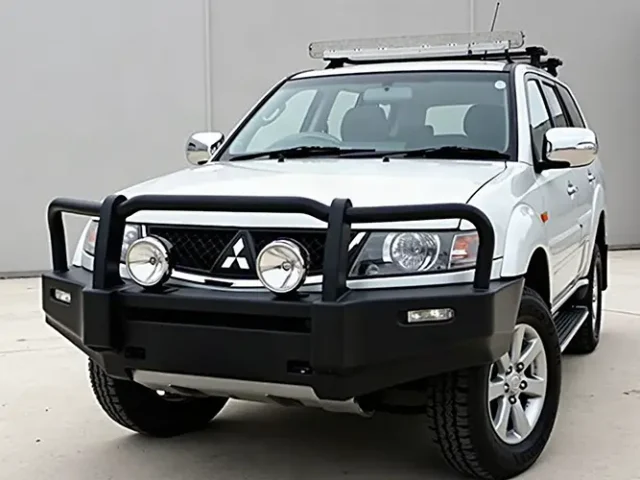
The outback has a way of revealing what your vehicle is really made of. Smooth highways fade into uneven tracks, and suddenly every component is working harder than expected. It does not take long before protection moves from a nice extra to something essential. That is where a Mitsubishi Outlander bull bar tends to enter the conversation, especially for drivers who want a setup that feels just as comfortable in town as it does far beyond it.
Finding the Right Fit for Your Vehicle and Driving Style
Spend a bit of time comparing bull bars and a pattern starts to emerge. Some are clearly built for punishment, thick steel constructions that look ready for anything. Others take a lighter approach, leaning on alloy materials to keep weight down and handling predictable. Neither is inherently better. It depends on how the vehicle is used.
If long-distance touring and rough terrain are regular parts of the plan, durability carries more weight in the decision. For drivers who split their time between sealed roads and occasional off-road trips, balance becomes the priority. Fit also deserves attention. A bull bar should sit properly within the vehicle’s structure, not disrupt it. When it feels like an afterthought, problems tend to follow sooner or later.
Looking Beyond Basic Front End Protection Benefits
Most people think of impact protection first, and fair enough. Wildlife strikes and debris are genuine risks, and a solid barrier at the front can prevent serious damage. Still, that is only part of the story.
A well-designed bull bar becomes a practical base for other gear. Driving lights, antennas, even recovery points all find a natural place there. That added flexibility is often appreciated later, when conditions change and extra visibility or communication becomes important. There is also the benefit of shielding critical components. Radiators and engine bays do not get much attention until something goes wrong, and by then the cost is already there.
Managing Weight Without Compromising Vehicle Performance
There is always a trade-off with added equipment. Heavier bars bring confidence in tougher conditions, though they can influence fuel use and steering feel over longer distances. Lighter designs ease that burden but may not offer the same level of resistance in more demanding situations.
Manufacturers have been closing that gap in recent years. Reinforced structures now come with smarter engineering, trimming excess weight without giving up strength where it counts. It is not perfect, but it does make the decision less of a compromise than it once was. For most drivers, the goal is not maximum toughness at all costs. It is finding something that supports the way the vehicle is actually driven.
Paying Attention To Design Details That Last
Small design choices tend to reveal their importance with time. Airflow, for instance, is rarely top of mind during a purchase, yet it plays a role in keeping engine temperatures stable. Poor design can restrict airflow, which becomes noticeable during long or demanding drives.
Finish quality is another one. A bull bar faces everything the road throws at it, from dust to moisture, and not all coatings age the same way. Then there is the visual side. It might seem secondary, though most drivers still prefer something that complements the vehicle rather than overwhelming it. The best options manage to blend function and appearance without forcing the issue.
Making Sense Of Options Without Getting Overwhelmed
With so many variations available, it is easy to fall into comparison fatigue. Specifications blur together, and every option starts to sound similar. Stepping back helps. Think about where the vehicle spends most of its time and what it needs to handle comfortably.
Looking through a focused range can simplify things as well. Additionally, exploring options from a trusted supplier with a large inventory gives a clearer view of what is designed with specific models in mind. That kind of filtering saves time and keeps the search grounded in practical choices rather than endless possibilities.
Final Thoughts
The right bull bar does not need to be the toughest or the most expensive. It needs to feel appropriate for the way the vehicle is used day to day. When that balance is right, the upgrade fades into the background in the best way possible, doing its job without drawing attention. That sense of reliability becomes part of the driving experience, especially when the road stops being predictable and demands a bit more from both driver and machine.