The classic definition of a successful safari is to see the “Big Five”: lion, leopard, elephant, buffalo and rhino, but today’s luxury safari-goers are more likely to be interested in the more unusual and niche wildlife experiences. From the semi-arid northern bushlands to the towering slopes of Mount Kenya and the vast savannahs of the Rift Valley, Kenya’s varied terrain is home to an extraordinary number of endemic species and conservation success stories that few casual tourists will ever see. Creating a trip around these special ecological wonders takes a special kind of expertise, which is why it’s best to work with specialists like Majestic Kenya Safaris to plan a safari into the remote wilderness areas.
The far north and its rare species
Northern safaris, such as the Samburu National Reserve and Ol Pejeta Conservancy, offer travelers the opportunity to see animals that are found only in the region. Ol Pejeta is a large 90,000 acre wildlife sanctuary located at the base of Mount Kenya and the Aberdare mountain ranges, and is at the forefront of rhino conservation globally. Here, visitors can book behind-the-scenes visits to meet the world’s last remaining northern white rhinos, with the help of the specialized rangers who work around the clock to protect and scientifically preserve them. The conservancy also has a healthy population of black rhino and a sanctuary for rescued chimps.
Further north, the dry country of Samburu, Buffalo Springs and Shaba provides a stark contrast in colour to the green plains of the south. This harsh, dry country is home to Kenya’s well-known “Samburu Special Five,” species found only in these dry northern conditions and not in the Maasai Mara. Tracking these animals introduces travelers to the striking Grevy’s zebra, with its narrow stripes and large round ears; the towering reticulated giraffe, with its deeply geometric coat patterns; the long-necked gerenuk, which stands on its hind legs to browse high acacia branches; the Somali ostrich, with its striking blue legs and neck; and the handsome Beisa oryx.
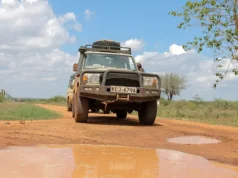
Reaching these remote reserves is part of the appeal. The rare northern species are scattered across parks that sit hours apart on rough roads, so the practical way to link them is by light aircraft. A fly-in safari swaps those long transfers for short hops between bush airstrips, which means a morning tracking Grevy’s zebra in Samburu and an afternoon with the rhinos at Ol Pejeta can fall on the same day, and you reach each game drive rested rather than rattled.
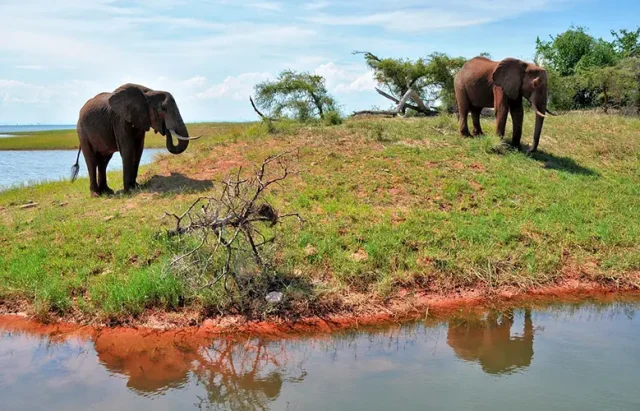
Exclusive vantage points enhance these rare wildlife sightings, redefining the way travelers experience the wild. Picture yourself floating silently over the rolling plains of the Mara at sunrise, gazing down at the herds of elephants and giraffes casting long shadows across the dew-kissed grass below, and then a lavish champagne breakfast cooked over an open fire in the middle of the bush. Visitors to Amboseli can take part in elephant research with conservation biologists from the Amboseli Trust for Elephants and photograph the majestic, snow-capped Mount Kilimanjaro in the background.
The predators that missed the list
The two most interesting predators on the continent never made the famed five, and both pay off the adventurous traveler who seeks them out. The African wild dog, or painted wolf, is one of the rarest large carnivores in Africa, and is found in the conservancies of Laikipia and the northern plains, where it hunts in close-knit packs with a chattering discipline that is more effective than even lions at securing prey. Finding a pack setting off on a hunt is a real event, and one that most visitors will never see. The cheetah is also easy to overlook in the scramble for the five, but to see the fastest land animal on earth pick its line across the open grass at dawn, then break into a chase that is over in twenty seconds, is one of the great sights anywhere on the plains.
Beyond the mammals
Exploring Kenya’s lesser-known habitats also offers travelers the opportunity to see some amazing birding and reptile species that are not as popular as the mammals. The shorelines of places such as Lake Bogoria and Lake Nakuru can be a stunning carpet of pink flamingos, lesser and greater, and overhead birds of prey such as martial eagle and the rare Verreaux’s eagle-owl hunt the acacia trees. Coastal marine reserves provide another level of biodiversity, with deep-sea trips in Watamu providing sightings of whale sharks, manta rays and nesting green and hawksbill sea turtles on the pristine coral reefs.
Why looking wider matters
The benefits of a trip based on these rare experiences are not just for bragging rights, but also for the survival of fragile habitats that depend on low impact, high value tourism. In contrast to large national parks, many northern conservancies and community-managed trusts work on a very thin margin, with each high-end visitor helping to fund anti-poaching operations, veterinary care and community livestock insurance. Tourists who venture off the tourist trail to look for Grevy’s zebras or to follow rhinos on foot are active players in preserving these fragile habitats.
Some of these northern species have real conservation value, giving meaning to the sighting. The Grevy’s zebra is endangered and the largest population of these zebras is found in the very conservancies that high-end visitors help to fund, Samburu and Laikipia. The reticulated giraffe is in serious decline throughout its range. And the two northern white rhinos at Ol Pejeta, the last two left on earth, both female and under armed guard around the clock, are a living reminder of how close a species can come to the edge. It is not a passive decision to invest time and money in these places. The bed-night fees, the salaries of the rangers and the research programs they support are directly and measurably part of what keeps these animals in the world.
After dark, culture and the coast
Private northern reserves such as Lewa Wildlife Conservancy or Borana also offer a different aspect of rare wildlife viewing, with the chance to see elusive predators and nocturnal specialists. Guests can watch caracals, aardwolves, genets and honey badgers foraging at night with the help of expert trackers using red-filtered spotlights. These night safaris give a fuller picture of the bush, which changes completely once the sun goes down and the day animals go to bed.
These northern conservation areas are bound up with the cultures around them. The Samburu and Borana people are among the communities whose ancient traditions are deeply connected to ecological stewardship. A visit to the traditional manyattas (homesteads) with knowledgeable guides helps visitors understand how pastoralist communities manage livestock grazing alongside wild predators, and how they draw on indigenous knowledge systems that modern conservationists increasingly rely on to counter the degradation and climate stress affecting vulnerable rangelands.
For those seeking more than just game viewing, marine conservation projects are also available along the Kenyan coast, providing rewarding participatory experiences. Marine conservation trusts are actively involved in the protection of coral reefs, dolphin pod monitoring and rescue of injured sea turtles in Watamu and Diani. For those seeking a more luxurious experience, private snorkeling trips with marine biologists are available, where you can help monitor coral reefs or release rehabilitated sea turtles into the Indian Ocean, connecting land-based safaris with ocean conservation.
The small things, and planning the route
One of the joys of the five is that there’s a lot of life in between the big game. A pair of bat-eared foxes at their den, ears swiveling for insects underground. At the edge of the track, a dik-dik, one of the smallest antelopes in Africa, frozen still. A fearless honey badger, and a ground hornbill prowling the grass like an undertaker in a red mask. None of these will make a brochure, and every one of them will make a quiet hour on the plains worth remembering.
The forests of the Aberdares and the slopes of Mount Kenya add yet another layer, with shy forest species like the bongo, the giant forest hog and the colobus monkey that are never seen on the plains. They are rare on safari, which is why they feel like a secret when they appear.
Whether to combine these encounters in a single trip is a question of geography, and that’s where a well-planned route pays off. The classic southern route of the Mara and the Rift Valley lakes covers the big cats, the flamingos and the plains game. Adding Amboseli brings the great elephant herds and Kilimanjaro. Then there is a flight north to Samburu, Ol Pejeta or Laikipia, a whole other country of red earth and doum palms, where the Special Five, the rhinos and the wild dogs are found. Ten days or more gives the north time without rushing the south, and it is the north that turns a good Kenyan safari into a rare one.
All of this without compromising comfort. The same private camps and expert guides that deliver the famous five will happily build a day around a den of wild dogs or a morning tracking Grevy’s zebra, so there is no cost to looking wider, only the willingness to ask. Tell your guide what you want to see beyond the list, and watch how quickly the trip starts to open up.
These rare, off-the-beaten-path experiences turn a wildlife holiday into something with real purpose. High-end tourists can help protect Kenya’s most vulnerable species for future generations by directing their tourism dollars into private conservancies, rhino sanctuaries and community-led protection efforts. This mix of wildlife, luxury and real impact is where the top of safari travel in East Africa is heading.