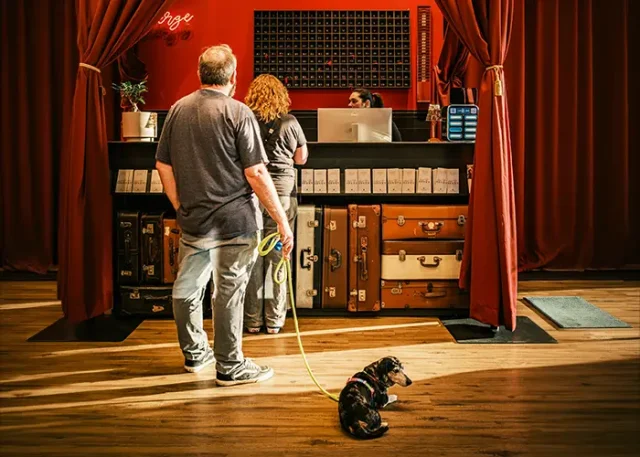
Taking the dog on a UK staycation sounds simple enough. Find a nice hotel. Find somewhere good to walk. Pack the dog’s things. Done. Except it doesn’t always work quite that way. A hotel can call itself dog friendly and still have quite a few rules. Dogs might only be allowed in certain rooms. Maybe they can’t go into the restaurant. Maybe there’s an extra charge. And sometimes the hotel is lovely, but there’s nowhere particularly useful to walk without getting back in the car. So, a little checking beforehand is worth it.
Start With the Hotel, But Don’t Stop There
The actual hotel matters, obviously. A small country house or boutique hotel with a garden can be a great option, especially if there’s open countryside nearby. Some properties also provide things like dog beds, bowls and treats, which saves a bit of packing.
But don’t just look at the photographs. Check the pet policy. Check where dogs are actually allowed. Check whether there are restrictions on the number or size of dogs and whether there’s a cleaning fee. And then look at the map. That bit gets forgotten quite often. If there’s a footpath a few minutes from the hotel, great. If the nearest decent walk is 20 minutes away by car, it changes the whole weekend. For a short stay, being able to walk out of the hotel and straight into the countryside is a pretty big advantage.
Find a Walk Before You Arrive
The UK is full of places that work well for a dog-friendly weekend. The Lake District is an obvious one, but there are plenty of options in the Peak District, the Cotswolds, Devon, Cornwall and other parts of the country. And the walk doesn’t have to be a huge hike.
Some dogs are perfectly happy with a 45-minute wander followed by a long nap somewhere comfortable. Others will happily keep going for hours. The National Trust has information on dog-friendly places across the UK, including details about where dogs can go and where restrictions apply. It’s worth checking the individual property rather than assuming the same rules apply everywhere.
This is especially important with beaches. Some allow dogs all year. Some don’t. Others have restrictions during the busier summer months. Wembury in Devon, for example, has specific guidance around dogs and beach access. It’s the sort of thing that can easily be missed if the trip has been planned around a pretty Instagram photo rather than the actual visitor information.
Food Is One Thing That Shouldn’t Be Improvised
There are plenty of things that can be bought once you arrive. Dog food probably shouldn’t be one of them. A change in food, combined with a long car journey, a different environment and lots of excitement, isn’t always a great combination. Even dogs that normally have fairly settled stomachs can react badly to a sudden change.
The easiest option is usually to take the food already being used at home. Pack enough for the full trip, plus a little extra. Portioning it before leaving can make feeding much easier too, particularly if there are several stops during the journey.
For dogs that already have a preferred diet, keeping their usual food can make the whole trip easier. Pero Foods, a UK pet food brand, is one option for owners looking to stick with a familiar food while travelling, rather than trying to find something suitable after arriving. A water bottle and travel bowl should probably go in the same bag too. Not buried underneath three days’ worth of clothes.
The Weather Can Change the Plan
This is the UK, so the weather needs a mention. A countryside walk that looks perfect on Saturday morning can be very different by Saturday afternoon. Rain means muddy paths. Wind can make coastal walks unpleasant. In summer, some popular places get busy and certain beaches have dog restrictions.
Spring and autumn can be particularly nice for walking, although waterproofs and a towel are useful. Winter trips need a bit more planning because the days are shorter and some trails can become very wet. There’s no reason to cancel a trip because rain is forecast. Just don’t plan a five-hour hike because the weather app looked optimistic three days earlier. Have a shorter route in mind as well. It can save the day.
What Actually Needs to Go in the Bag?
Probably less than expected. Food, lead, collar, waste bags, water bowl, towel and something familiar from home are the main things. A spare lead is useful too. So is a basic first-aid kit if the weekend involves a lot of walking. The familiar blanket or bed is especially useful for dogs that don’t settle quickly in new places. A hotel room might be comfortable, but it’s still a strange room. And muddy paws are almost guaranteed at some point. A towel in the car can save the back seat.
For anyone travelling to Great Britain from another country with a dog, there are also specific rules around pet travel, including documentation and entry requirements. The current GOV.UK guidance should be checked before making the journey because requirements can change.

Don’t Pack Every Minute of the Weekend
This is probably the easiest mistake to make. A dog-friendly weekend doesn’t need a schedule packed with places to visit. One good walk in the morning. Lunch somewhere that allows dogs. A bit of exploring. Then back to the hotel. Maybe another walk later. That’s enough. In fact, that’s often the point of a staycation in the first place. A nice room, somewhere green nearby, familiar food for the dog and nowhere that needs to be reached by a particular time.
The best trips aren’t necessarily the ones with the longest itinerary. Sometimes it’s just about finding a good place, getting outside for a few hours and having a weekend where nobody is in a rush. Especially the dog.