

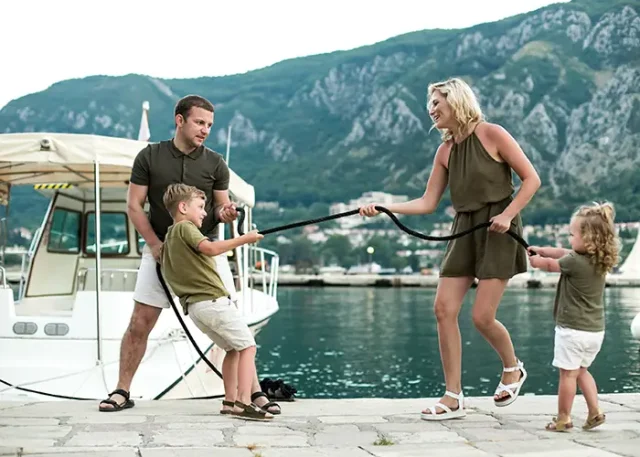
There’s nothing quite like standing at the edge of the water, feeling the cool breeze, and watching the sunlight hit the open lake. It begins with a simple thought. What do you say we go in the water this weekend? What if we could just get away from the noise, take the kids out tubing, or just drop an anchor in a quiet bay and let the day drift? Buying a boat is more than just a vehicle choice. It’s about purchasing a ticket for a whole different way of life, the clean air, the freedom and the memories that will last long after the sunburn has gone.
But if you’ve ever opened up a laptop and started poking around, you know how quickly that exciting dream can turn into a complete headache. With a sea of online listings, baffling specs and prices that seem to be all over the place, it can be overwhelming trying to figure out how to find boats that actually fit your life. You want something safe, comfortable and right for your local spots without the massive, expensive mistake.
Here are five down-to-earth tips to help you turn those floating dreams into real-life weekend trips and get you out on the water with total confidence:
1. Specify How You Actually Intend to Use the Water
Take a breath and picture your average Saturday before you get lost in a sea of sales listings. The biggest mistake that new buyers make is selecting a vessel around a fantasy scenario instead of how they will use it ninety percent of the time.
Ask yourself these quick questions:
- Thinking of early morning fishing runs or fast afternoons of tubes and wakeboards?
- Are you hosting a large group of friends for sunset drinks, or taking it slow with just your partner?
- Most of the time, will you be on shallow, quiet lakes or larger, choppier bays?
If your main goal is to chill with eight friends, a full cooler and lots of shade, a spacious pontoon will make you a lot happier than a cramped sport boat. In contrast, if you live for watersports you need a hull designed to shape a decent wave. Choosing a craft that suits your weekend style will save you a world of regret down the line.
2. Set a Realistic Budget That Is Higher Than the Sticker Price
It’s super easy to look at an asking price on a listing and say, “Hey, we can make that work! But anyone who has owned a craft for more than a month will tell you that the upfront price is only the beginning. When you are planning your weekend trips, you need to consider the ongoing costs before you hand over any money.
Don’t forget to put your numbers in:
- Storage and slip fees: Are you going to tow it home to your driveway or use a dry stack or rent a marina slip?
- Annual maintenance: Every year there’s winterizing, oil changes, engine flushes and basic maintenance.
- Insurance and registration: costs vary a lot depending on length, horsepower and where you live.
- Must-have equipment: Life jackets, anchors, dock lines, safety kits and throw cushions are no-brainer extras.
Including these ownership details on your first search allows you to look through listings with a clear, stress-free budget. That way you’re not left tied to the dock because gas or basic maintenance costs more than you planned for.
3. Partner with Local Marine Experts You Can Trust
You might think you’re getting a bargain buying from a random seller on a social media marketplace but there are often plenty of hidden risks. With private deals, you rarely get warranties, proper mechanical inspections or any real help if things go sideways. If you tow it away and the engine dies 10 minutes later you’re totally on your own.
A reliable local dealer can make all the difference. Good dealers aren’t just looking to sell you metal out the door, they listen to what you want to do and point you toward the right match. They have used inventory, do the hard registration paperwork, warranty protection, and actually have a service department to keep you running.
Sail with people who know the local waters like the back of their hand, like the team over at Whitefish Marine, and you’re getting quality options, and real peace of mind every time you back down the ramp.
4. Choose Between New or Used
When you are looking into how to find boats, one of the main decisions you will need to make is whether you are going to go for brand-new or look at used stock. No choice is a better choice, but one will definitely be closer to your budget and comfort level.
When you choose a new model you get:
- Full manufacturer warranties to remove the concern of surprise breakdown bills.
- Modern styling, dependable fuel system, updated displays.
- That pristine, unblemished condition with no hidden wear from previous owners.
- Opportunity to choose your exact color scheme and optional extras.
By choosing a used model, you get:
- A considerably lower opening price, allowing your budget to go a lot further.
- Not as much immediate depreciation as you’d get driving a brand new model off the lot.
- Bonus gear often includes fitted covers, fenders and safety gear left behind by previous owners.
A clean pre-owned option is a low-stress way to begin for the first time owner still learning the ropes of trailering and docking. If you want turnkey reliability and zero hassle, going new is worth every single penny.
5. Never Buy Without a Proper Test Run on Water
You wouldn’t buy a used truck without taking it around the block first, and you certainly shouldn’t buy anything that floats without putting it in the water. A boat can look great on a trailer sitting in the sunny driveway, but you can’t really tell how well it runs until the hull is in the water and the engine is under load.
During your sea trial keep your eyes and ears open for:
- Engine start and idle: Is it easy to start, idle smoothly and shift smoothly into gear?
- Steering response: Does the wheel turn smoothly? Does it bind up or feel sloppy?
- General condition: Check for soft spots in the floorboards, deep gouges in the bottom, messy wiring under the dash.
- Accessories and lights: Test all switches, turn on the bilge pump, test the stereo, and check navigation lights.
If you’re considering a used model, don’t hesitate to have a qualified marine mechanic check out the engine and drive system. With a simple inspection you can sleep easy knowing that your investment is perfectly ready for safe and fun weekend outings from day one.
Ready to Take the Next Step?
You don’t have to be confused or stressed to get the right set up for your family. Knowing what you really need, creating a realistic budget, turning to local experts and testing all gear on the water puts you in the driver’s seat of the process.
The water is waiting with all those lazy afternoons, fishing catches and sunset rides you’ve been dreaming of. Ask as many questions as you like. Don’t rush. Get ready to enjoy every minute out there.