
Travel has always been about discovering something beyond the familiar. For some, that means photographing a new landscape, documenting a cultural experience, performing in an unfamiliar city or creating content from somewhere far from home. When specialist equipment is part of the journey, however, there is another consideration that deserves attention: how to get valuable gear to its destination safely and efficiently.
Cameras, musical instruments, lighting equipment and technical devices can represent significant investments. They may also be essential to the purpose of the trip, meaning that damage or loss can cause more than financial inconvenience. Thoughtful preparation can help travellers protect their equipment while making the journey itself easier to manage.
Choosing Practical Protection for Equipment
The way equipment is packed can have a noticeable impact on the travel experience. Loose items can shift during transportation, smaller accessories can disappear among other belongings, and delicate components may be exposed to unnecessary knocks.
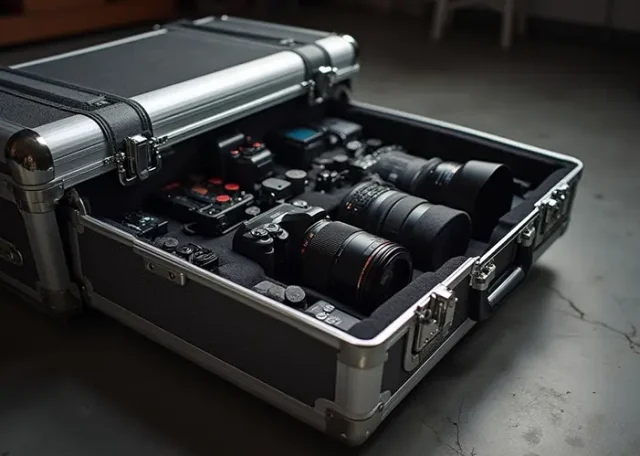
For people who regularly travel with valuable equipment, a flight case can provide a dedicated space for transporting specialist gear. Rather than treating equipment as ordinary luggage, a protective case allows travellers to think more carefully about how each item is positioned, stored and moved throughout the journey.
The right approach depends on what is being transported. A photographer, musician or production professional may have very different requirements, but each benefits from having a storage solution suited to the equipment and the journey.
Start With the Journey, Not the Packing
Packing decisions are often made according to the destination. Yet the route taken to get there can be just as important.
Consider how many times the equipment will be moved. A direct car journey may involve relatively little handling, whereas a trip involving flights, trains, taxis and several hotels can require equipment to be packed and unpacked repeatedly.
Thinking through each stage before leaving home can reveal potential problems. Travellers can consider where equipment will be stored, how it will be carried and whether it will be exposed to busy environments or changing weather conditions.
This type of planning is especially useful for longer trips. When equipment accompanies someone for several weeks, a reliable routine can make everyday travel much less complicated.
Give Every Item Its Place
Good organisation is one of the simplest ways to improve equipment management. When every item has a designated place, it becomes easier to pack, unpack and check everything before moving on.
This matters because small accessories are often just as important as the main equipment. A camera may be useless without the right battery or memory card, while an audio setup may depend on several cables and adapters.
Creating a consistent layout can also reduce preparation time. Travellers do not need to search through multiple bags every time they need something. They can simply return to the same location within their storage system.
Travelling With Cameras and Creative Gear
For photographers and content creators, travel can provide some of the best opportunities to create memorable work. A new destination can offer unfamiliar architecture, dramatic scenery, local traditions and unexpected moments.
The challenge is deciding what equipment is genuinely necessary. Taking everything can make travelling cumbersome, while leaving essential items behind can limit creative possibilities.
A useful approach is to consider the purpose of the trip. A short city break may require a compact camera setup, while a professional assignment could demand several lenses, lighting equipment and accessories.
Once the equipment list has been decided, protection should be considered just as carefully. The aim is to arrive ready to create without spending the first part of the trip checking whether everything has survived the journey.
Making Life Easier for Musicians
Musicians often have a different relationship with their equipment. Instruments and technical gear can be central to a performance, and some items may be particularly sensitive to handling.
Travelling between rehearsals, venues and accommodation means that equipment may be moved several times in a short period. Keeping everything organised can make setup and pack-down more efficient.
A consistent system also helps touring teams work together. When everyone knows where equipment belongs, responsibilities can be shared more easily and there is less confusion when it is time to leave a venue.
For independent performers, this can be particularly valuable. When one person is responsible for most of the equipment, efficient packing can save considerable time.
Consider the Conditions at Your Destination
The destination itself can influence equipment preparation. A trip to a dry urban environment presents different considerations from an outdoor adventure in a wet or dusty location.
Travellers should think about temperature, moisture, dust and terrain when deciding how their equipment should be protected. Equipment may also need to be stored differently once it reaches the destination.
Outdoor travellers should be particularly conscious of how quickly conditions can change. Weather forecasts can provide useful information, but unexpected rain or temperature changes can still occur.
Being prepared for the environment allows travellers to focus on enjoying the destination rather than constantly worrying about their gear.
Air Travel Requires Extra Planning
Air travel can introduce additional considerations because passengers have less control over how luggage is handled. Travellers carrying valuable equipment should check the relevant airline rules before arriving at the airport.
Dimensions, weight restrictions and cabin baggage policies can vary, so checking requirements in advance can prevent unpleasant surprises at check-in.
It is also worth thinking about accessibility. Equipment that needs to be used during a journey should be packed where it can be reached without unpacking everything else.
A little planning before departure can make airport transfers considerably more straightforward.
Protecting Gear During Road Trips
Road trips provide greater control over equipment, but they still require careful planning. Valuable gear should be positioned securely rather than left where it can move around during the journey.
Travellers should also consider where equipment will be stored when they are away from the vehicle. Leaving valuable items visible inside a parked car can create unnecessary security concerns.
When possible, equipment should be taken into accommodation or placed somewhere secure. This is particularly important during multi-stop journeys where travellers may leave a vehicle unattended for periods of time.
Build a Simple Pre-Departure Routine
A pre-departure routine can prevent many common problems. Before leaving, travellers can inspect their equipment, check batteries, confirm that accessories are present and make sure everything is properly secured.
A written checklist can be useful for larger collections of equipment. It can include the main items as well as smaller accessories that are easy to overlook.
The same process can be repeated before leaving hotels, venues and other stops. This habit becomes increasingly useful during long journeys where equipment is repeatedly unpacked.
Protection Should Not Complicate the Experience
Travel is supposed to be enjoyable, even when the journey has a professional purpose. Equipment protection should therefore make travelling easier rather than adding unnecessary complications.
A good storage system should allow travellers to access what they need while keeping important items organised and protected. The solution should also suit the way the individual travels.
There is no universal approach. Someone travelling with a single camera will have different needs from a touring musician or production crew. Understanding those differences is the first step towards making sensible choices.
Travel Further With Greater Confidence
Specialist equipment can make travel more rewarding. It allows people to create, perform, document and explore in ways that would not be possible without the right tools.
Taking care of that equipment is therefore an important part of preparing for the journey. From choosing suitable protection to developing a consistent packing routine, small practical decisions can make a considerable difference.
When valuable gear is organised and properly protected, travellers can concentrate on what matters most: experiencing new places, meeting new people and making the most of every opportunity along the way.