

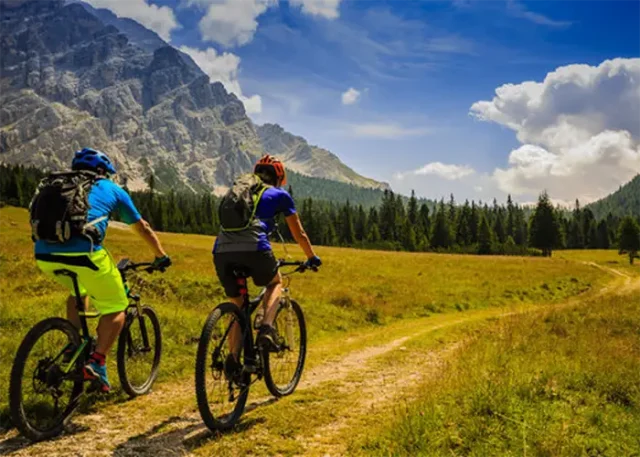
Outdoor recreation has grown rapidly in recent years as more people look for active ways to explore nature and unwind. The creation of local cycling trails is one of the best available strategies for small towns to attract visitors and stimulate the local economy. The cyclist-friendly enhancement of the countryside makes it a place for adventure and family fun. Investing in accessible trail networks provides a sustainable blueprint for economic growth and community wellness.
Boosting Rural Economies Through Trail Tourism
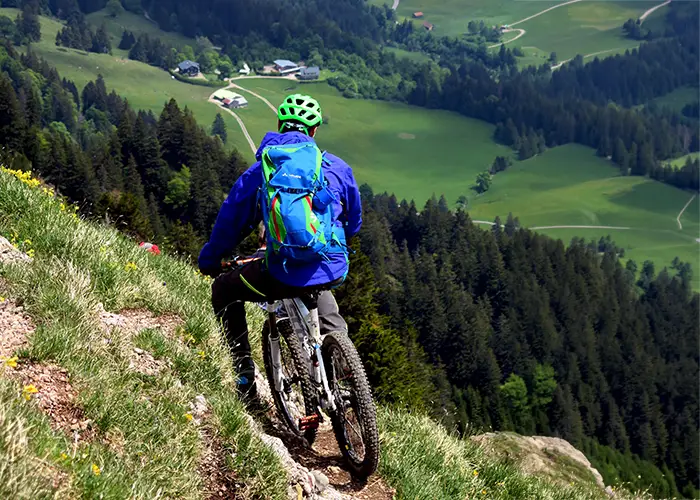
When cyclists travel to explore new trail networks, they contribute directly to small businesses in the area. Visiting riders have to eat, sleep, and refuel from a long day on the dirt or pavement. There is more traffic in local restaurants, bed and breakfasts, equipment shops and gas stations. As noted by Patrick Putman of Alabama, well-maintained cycling routes serve as valuable assets that bring new economic vitality to smaller communities. This regular inflow of recreation tourists helps diversify the economy of rural areas which are dominated by one type of industry.
Encouraging Physical Health and Active Lifestyles
In addition to being a tourist draw, local bike trails offer terrific health advantages to the people who live nearby each and every day. Safe off-roadways promote safe exercise for individuals of all ages. For families, the weekend rides are available without the worry of traffic, and for commuters, the connected paths can be an alternative form of transport. Frequent physical activity is associated with lower health care costs and better cardiorespiratory health and overall mental health at the community level.
Promoting Environmental Conservation and Awareness
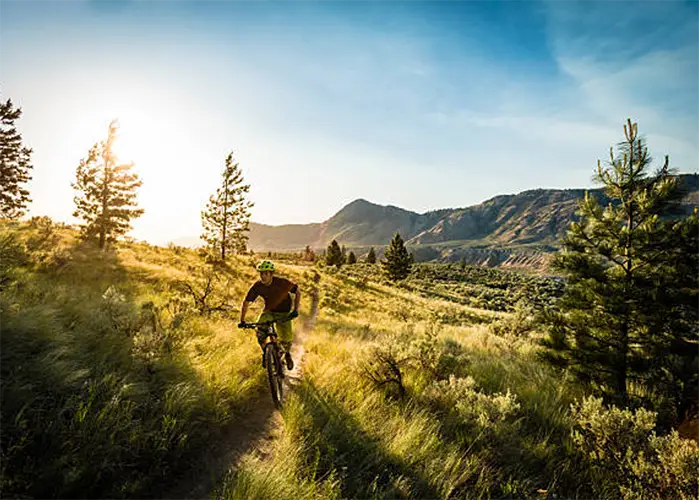
The development of recreational trails is parallel to the protection of natural landscapes. Provided designated paths are developed, cyclists will remain on managed paths, thus mitigating soil erosion and damaging sensitive wildlife habitats. In addition, outdoor experiences help visitors and residents connect with the ecosystems in their region. People who regularly use natural spaces are much more likely to support land conservation efforts, park maintenance initiatives, and sustainable environmental practices in their regions.
Preserving Local History and Cultural Heritage
Many cycling trails follow old railway lines, canal routes, or old trade routes. These unused corridors can be made into public trail networks, revitalizing the forgotten past. Along the way, there are informational plaques, restored landmarks, and scenic overlooks that make for an educational ride. Visitors get a unique glimpse into the region’s cultural heritage while enjoying the fresh air, creating memorable experiences that encourage them to return year after year.
Building Stronger and Connected Communities
Trails are not just about connecting geography; they are about connecting people. Trails often serve as community gathering places for groups to ride, hold community clean-up days, and attend other neighborhood events. Hosting regional charity rides or mountain bike races draws diverse crowds and fosters a proud sense of community identity. When volunteers, local leaders and business owners partner together to develop, preserve and grow their local trails, they develop lasting relationships.
Conclusion
Investing in local cycling infrastructure is an investment that benefits residents and visitors in the long term. Outdoor recreation networks fuel the rural economy, support physical activity, and environmental stewardship. Small towns can conserve their natural resources and create a sustainable future by converting open spaces into attractive urban cycling environments. Local trail initiatives help keep communities alive, healthy, and vibrant places to live for generations.