
Around 8.5 million people travel to East Africa each year for a vacation, and planning a trip to this part of the world is an exciting milestone. Unfortunately, many travelers inadvertently waste days sitting in heavy traffic or rushing through overcrowded reserves.
When traveling across vast regions like East Africa, proper time management makes the difference between an immersive wilderness experience and an exhausting marathon. Optimizing your itinerary requires a smart balance between travel times, stay durations, and chosen modes of transportation.
Understanding Park-to-Park Transit and Distance Realities
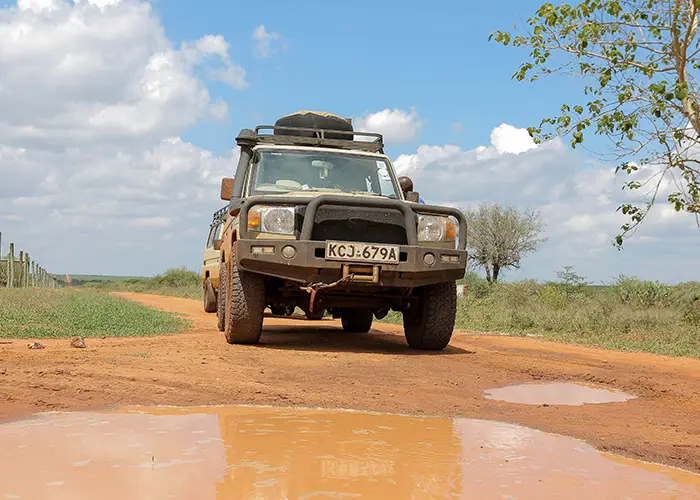
East Africa is geographically immense and diverse, with over 160 ethnic groups calling it home, and roads between major regions can be surprisingly challenging. What looks like a short two-inch line on a map often translates to six or seven hours of bumpy, unpaved driving on rough terrain.
Overland transfers between major highlights consume valuable daytime hours that could otherwise be spent on game drives. For instance, driving from Nairobi to the Masai Mara takes roughly six to eight hours, depending on road conditions and traffic exiting the city.
While long drives offer views of local villages, doing them every two days leads to travel fatigue. Planning your route to minimize backtracking is essential for preserving your energy and time.
To maintain a comfortable pace, structure your route sequentially rather than zigzagging across regions. Grouping neighboring reserves together reduces time spent in vehicles and keeps focus on wildlife viewing.
Balancing Flight Connections with Overland Transfers
Choosing between light aircraft flights and land transfers is one of the most critical logistical decisions for your trip planning. Flying directly between airstrips cuts long, tiring travel days down to short 45-minute hops, maximizing time spent on safari.
Bush flights connect remote reserves seamlessly, allowing you to breakfast in one park and enjoy an afternoon game drive in another. However, overland transfers still have their place, especially for short trips between adjacent ecosystems like Lake Nakuru and Naivasha. Keep in mind:
- Land transfers cost less and offer glimpses of regional landscapes during travel
- Bush flights save up to six hours per transit day, giving you more time in nature
- Combining domestic flights for long legs with land transfers for shorter distances yields the best value
Using light aircraft for major legs preserves precious daylight hours for actual wildlife encounters.
Determining Optimal Stay Lengths per Reserve
Moving to a new lodge every single night eats into your relaxation and game-viewing time. Packing up, checking out, and traveling to a new location daily leaves little opportunity to observe wildlife during peak activity hours.
Spending at least two to three nights in each major park gives you time to explore different sectors without feeling rushed. Wildlife sightings require patience, and a multi-night stay increases your chances of witnessing unique animal behaviors and predator hunts.
A well-paced 10 day Kenya luxury safari serves as a prime benchmark for balancing travel time with rich safari experiences. This trip length lets travelers visit top-tier destinations like Amboseli, Lake Nakuru, and the Masai Mara without sacrificing comfort or depth of exploration.
Selecting Private versus Group Tour Logistics
How you choose to travel impacts how efficiently your days are structured. Group tours run on fixed schedules and require you to wait for multiple participants during stops, pickups, and meal times.
Private tours offer complete control over your daily schedule. If you want to wake up early for a sunrise game drive or spend two extra hours watching a lion pride, a private safari vehicle and guide accommodate your exact preferences.
Effective time management also extends to international arrival logistics. Flying into primary aviation hubs and connecting via smaller domestic airports like Nairobi’s Wilson Airport ensures smooth transitions to bush airstrips. Paying attention to luggage weight limits on light aircraft prevents unexpected delays during domestic transfers.
Smart Kenya trip planning involves aligning park visits with seasonal wildlife movements to avoid unnecessary travel. Evaluating safari travel packages based on transit efficiency, not just the number of destinations visited, ensures a more rewarding experience. While factoring in the overall cost of an African safari as part of budgeting efforts, investing in domestic flights or private vehicles delivers a significantly higher-quality travel experience.
Designing a Seamless Kenya Travel Itinerary
Building a well-structured Kenya travel itinerary means prioritizing experience quality over the number of stops. Every transfer day should serve a purpose, either as an enjoyable scenic journey or a fast flight to your next destination.
A successful East Africa vacation combines early morning game drives with mid-day rest periods to match natural wildlife activity cycles. Animals are most active during the cooler hours of dawn and dusk, making mid-day ideal for travel or relaxation at your lodge.
By focusing on logical route planning, selecting smart transfer methods, and allowing adequate time in each reserve, you can craft a trip that feels both adventurous and restorative. Taking time to map out logistics beforehand ensures every day on safari is spent making memories rather than managing delays. To keep exploring practical travel tips and route suggestions, check out our other posts.