

Some of the world’s most impressive landscapes are best explored on foot. Multi-day hikes lead through volcanic highlands, glacier-carved valleys, and remote wilderness areas that are often inaccessible by road. Over several days, the scenery changes with the terrain, revealing everything from rugged mountain passes to dense forests and wide-open alpine landscapes.
For those who enjoy active travel, long-distance hiking brings the satisfaction of exploring these remote places at a slower pace. Guided itineraries, mountain lodges, and carefully planned overnight stops can make demanding routes more manageable without taking away from the adventure. Here are five multi-day hikes where the landscapes are just as compelling as the journey itself.
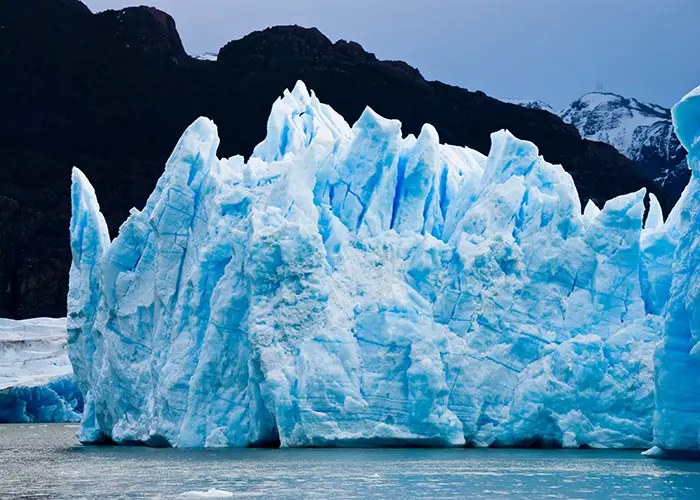
Hiking Granite Towers and Glaciers in Torres del Paine, Chile
Torres del Paine National Park in Chilean Patagonia is known for its towering granite peaks, turquoise lakes, and enormous glaciers. The famous W Trek takes hikers through some of the park’s most dramatic landscapes, covering approximately 50 miles over four to five days. The route passes through lenga forests, open valleys, and rocky mountain trails, with views of the Cuernos del Paine rising above the surrounding lakes.
Among the highlights is French Valley, where hanging glaciers cling to steep mountain walls, and the trail toward Grey Glacier, which overlooks icebergs floating in Lake Grey. The hike to the base of the Torres del Paine towers is particularly demanding, with a steep final ascent leading to a glacial lake beneath three granite spires. Guanacos roam the park’s grasslands, while Andean condors can occasionally be seen soaring overhead.
Accommodation is an important consideration when tackling the Torres del Paine W Trek, as the classic route requires overnight stays in mountain refuges or designated campsites. Alternatively, private guided day hikes from luxury lodges offer greater flexibility and comfort. The main trekking season runs from spring through early fall in the Southern Hemisphere, and advance reservations are essential for overnight facilities along the trail.
Climbing Ancient Stone Paths Through Cloud Forest to Machu Picchu, Peru
The classic Inca Trail stretches approximately 26 miles through the Peruvian Andes, following centuries-old stone pathways toward Machu Picchu. Over four days, hikers climb steep staircases, cross high mountain passes, and descend into lush cloud forests filled with orchids and other native plants. The route passes archaeological sites such as Sayacmarca and Wiñay Wayna, where stone terraces and ruins reveal the Inca civilization’s remarkable engineering skills.
One of the most demanding sections is the ascent to Dead Woman’s Pass, which reaches approximately 13,800 feet above sea level. The trail then descends through mountain valleys and forested slopes before reaching the Sun Gate, where Machu Picchu comes into view. Guided treks reveal how the landscape changes with altitude, with experienced local guides explaining the history and significance of the archaeological sites along the way.
The Inca Trail requires an advance permit and must be completed with an authorized trekking operator. Access is limited to 500 people per day, including guides, porters, and support staff, so booking several months ahead is advisable. Private trekking arrangements can include additional camping comforts and dedicated support teams, although all groups must follow designated routes and campsite regulations.
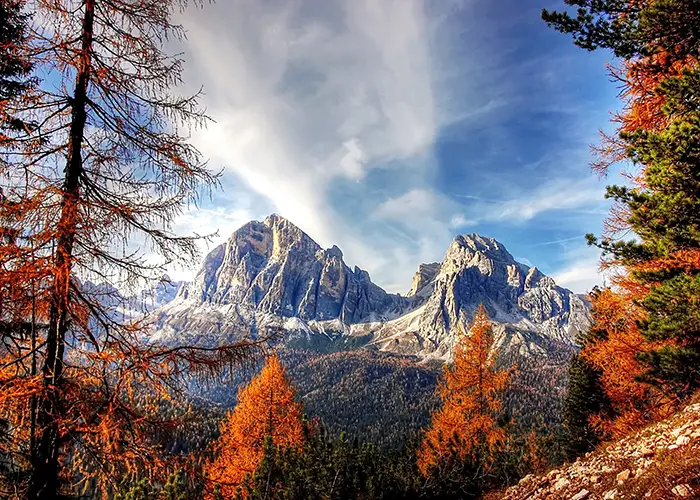
Crossing Alpine Passes Between Mountain Huts in the Dolomites, Italy
The Alta Via 1 runs about 78 miles through the Italian Dolomites, starting at Lake Braies and ending near Belluno. The trail crosses high mountain passes, alpine meadows, and rocky valleys beneath the region’s distinctive limestone peaks. Along the way, hikers pass landmarks such as the Lagazuoi massif, Cinque Torri, and Mount Pelmo, with sweeping views of the surrounding mountain ranges.
One of the route’s defining features is its network of traditional mountain refuges, known as rifugios. These overnight stops serve hearty regional meals and provide a place to rest after long days on the trail. Accommodation ranges from shared dormitories to limited private rooms, depending on the refuge. Some sections also pass historical sites associated with World War I, including former military positions and mountain fortifications.
The complete Alta Via 1 typically takes around 10 to 12 days, although shorter itineraries can focus on selected sections. The main hiking season runs from June to September, when mountain refuges are generally operating and higher trails are more accessible. Advance bookings are important during summer, particularly for popular overnight stops. Private guides can help with route planning and logistics, although certain exposed sections and technical variants require additional experience and equipment.
Trekking Rhyolite Mountains and Hot Springs in Landmannalaugar, Iceland
The Laugavegur Trail stretches approximately 34 miles through Iceland’s southern highlands, connecting the geothermal landscapes of Landmannalaugar with the green valleys of Thórsmörk. The route crosses colorful rhyolite mountains, black obsidian fields, and steaming volcanic terrain. Near Hrafntinnusker, hikers pass snow-covered slopes and geothermal vents before descending toward the remote mountain lakes and valleys farther south.
One of the trail’s most distinctive stretches crosses vast plains of black volcanic sand, with glaciers and mountains rising in the distance. Several sections require hikers to wade across rivers, where changing water levels and weather conditions can make crossings challenging. The final approach to Thórsmörk brings a dramatic change in scenery as birch woodlands and green valleys replace the exposed volcanic highlands. At Landmannalaugar, natural geothermal bathing areas provide a welcome way to relax before or after a hike.
Most hikers complete the Laugavegur Trail in four days, staying in mountain huts or designated campsites along the route. The main trekking season generally runs from late June to mid-September, depending on snow and road conditions. Private guides can assist with route planning and river crossings, although vehicle access is limited and accommodation along the trail remains basic. Advance reservations, suitable waterproof gear, and careful weather checks are essential for this remote highland trek.
Walking Past 580-Metre Waterfalls and Rainforest in Fiordland, New Zealand
The Milford Track stretches approximately 33 miles through Fiordland National Park on New Zealand’s South Island. This four-day hike follows glacier-carved valleys, dense temperate rainforests, and rivers framed by towering mountains. One of the route’s highlights is the climb to Mackinnon Pass, where sweeping views extend across the Clinton and Arthur Valleys. The surrounding forests are covered in moss and tree ferns, with waterfalls cascading down steep rock faces after heavy rainfall.
Sutherland Falls is another major attraction, dropping 580 meters in three stages from Lake Quill. A side trail leads toward the base of the falls, where the spray can be felt from a considerable distance. The route continues through beech forests and across suspension bridges before finishing at Sandfly Point, where a short boat journey takes hikers to Milford Sound.
The Department of Conservation manages the Milford Track, with advance hut reservations required during the Great Walks season, generally November through April. Independent hikers stay in basic mountain huts, while guided packages offer private lodges with hot showers, meals, and limited ensuite accommodation. Fiordland’s frequent rainfall makes waterproof gear essential, and transport to and from the trail must be arranged in advance.
Which trail would you walk first?
Few travel experiences reveal the scale and diversity of a landscape quite like spending several days exploring it on foot. The colorful volcanic terrain of Iceland’s Laugavegur Trail, the ancient stone paths leading to Machu Picchu, and the glacier-carved valleys of New Zealand’s Milford Track each present different challenges and scenery. Along the way, changing weather, demanding climbs, and remote surroundings become part of the adventure.
Choosing the right trail depends on your fitness level, preferred terrain, and the time available for the journey. Guided treks and carefully planned accommodations can make the logistics easier, although some routes require basic mountain huts or camping. With suitable preparation and realistic expectations, a multi-day hike can be a rewarding way to discover remarkable landscapes at your own pace.