
Cape Town is one of the world’s most beautiful tourist destinations, attracting visitors with its spectacular coastline, Table Mountain, vibrant culture and famous attractions. However, tourists considering a visit in 2026 should understand that the city also faces significant safety challenges.
So, how safe is Cape Town for tourists in 2026?
The answer is mixed. Many international visitors enjoy trouble-free holidays, particularly when staying in established tourist areas and following sensible precautions. Nevertheless, serious crime, political demonstrations, localized civil unrest and wider geopolitical tensions remain important considerations.
This guide examines Cape Town’s tourist safety through official government travel advisories, reported traveler experiences and the political developments influencing South Africa’s international reputation.
Understanding the Safety Landscape in Cape Town
Cape Town has considerable differences in safety between neighborhoods. South Africa continues to experience high levels of crime, including robbery, assault, carjacking, vehicle break-ins and theft.
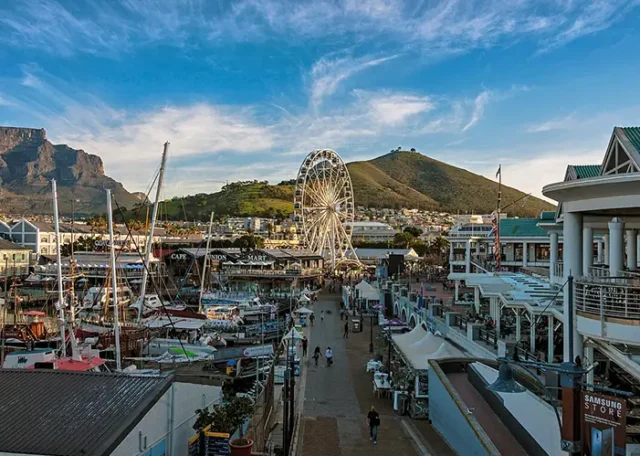
Popular tourist neighborhoods such as Sea Point, Camps Bay and the V&A Waterfront generally have established tourism infrastructure and visible security arrangements. However, these areas are not crime-free, and robberies and theft can occur even in popular visitor locations.
Violent crime is more concentrated in certain townships, informal settlements and parts of the Cape Flats. Visitors unfamiliar with these areas should avoid exploring them independently, particularly after dark.
Tourists should use reputable transport services, avoid displaying expensive jewellery and mobile phones, keep valuables out of sight in vehicles and avoid walking alone in isolated locations at night.
The important distinction is that Cape Town is not uniformly dangerous, but visitors should not assume that popular tourist areas are completely safe.
Real Traveler Experiences: Enjoying Cape Town While Staying Safe
Many international travelers have positive experiences in Cape Town, enjoying attractions such as Table Mountain, the Cape Winelands, Camps Bay and the V&A Waterfront.
Using registered guides, reputable tour operators and accredited transport services can make exploring unfamiliar surroundings easier and more secure.
However, reported incidents of phone snatching, pickpocketing, vehicle break-ins and opportunistic robbery reinforce the need for caution. Hikers should use busy, marked trails and consider organized group excursions, particularly when visiting Table Mountain and Lion’s Head.
Cape Town can offer an exceptional holiday experience, but preparation and awareness are essential.
Political Protests, Demonstrations and Civil Unrest in Cape Town (2026)
Political demonstrations and localized civil unrest are additional considerations for tourists visiting Cape Town in 2026.
Official travel advisories from the UK, Australia and Canada warn that demonstrations in South Africa can develop with little notice and sometimes escalate into violence. Possible consequences include roadblocks, property damage, clashes with police and disruptions to public transport.
Demonstrations can relate to unemployment, service delivery, political disagreements, immigration issues and taxi-related disputes.
Pro-Palestinian marches and demonstrations have also become visible features of South African political activism. Although demonstrations are not always characterized as violent, politically charged gatherings can create localized security concerns, particularly when confrontations develop.
Tourists should avoid political gatherings, monitor local news, follow police instructions and consult accommodation providers about affected neighborhoods before travelling.
Cape Town is not experiencing continuous citywide civil unrest. However, demonstrations and localized disturbances can disrupt travel plans unexpectedly.
Official Travel Advisories: What Tourists Should Know
International governments continue to advise travelers to exercise a high degree of caution when visiting South Africa because of serious crime and security concerns.
The main warnings include:
- High crime rates: Robbery, assault, theft, carjacking and vehicle-related attacks remain significant risks.
- Political demonstrations: Protests can escalate unexpectedly, causing violence and transport disruption.
- Airport security: Travelers should plan routes between Cape Town International Airport and their accommodation carefully.
- Isolated areas: Avoid deserted streets, beaches and unfamiliar neighborhoods after dark.
- Outdoor activities: Use established hiking routes and consider reputable guided excursions.
- Transport and scams: Use recognized transport operators and remain cautious of unofficial services.
Visitors should check their government’s latest South Africa travel advisory before departure because security conditions can change.
Geopolitical Factors: South Africa’s Foreign Policy and Its Tourism Reputation
Cape Town’s international reputation is influenced not only by crime and social inequality but also by South Africa’s increasingly prominent role in international political disputes.
South Africa has adopted a strong diplomatic position in support of Palestine, and this has attracted international attention and diplomatic disagreement.
The country’s political stance can influence how certain international visitors perceive South Africa.
Pro-Palestinian demonstrations and wider political activism have also contributed to an increasingly visible debate about South Africa’s international relationships.
Although political activism is a legitimate feature of democratic society, the possibility of confrontational demonstrations and localized unrest may influence some visitors’ sense of security and willingness to travel.
These developments create a reputational consideration for South Africa’s tourism industry. International visitors increasingly consider political stability, public attitudes and diplomatic relationships when choosing holiday destinations.
South Africa’s Relationship with Iran: Could It Affect Tourism?
South Africa’s diplomatic relationship with Iran is another issue attracting international scrutiny.
The two countries maintain longstanding diplomatic relations and formal cooperation through a Joint Commission covering areas including trade, political affairs, defense and security. Their relationship has become particularly controversial because of Iran’s regional activities and its support for armed organizations in the Middle East, including Hamas and Hezbollah, which several Western governments designate as terrorist organizations.
South Africa’s engagement with Iran, including the controversy surrounding Iran’s participation in the January 2026 Will for Peace naval exercise, has raised questions among international observers about the country’s diplomatic and strategic priorities. These developments are relevant to international perceptions of South Africa, particularly among visitors from countries that view Iran as a significant security threat.
The combination of controversial international alliances, highly visible political activism and documented warnings about demonstrations turning violent is relevant to a balanced assessment of the country’s tourism reputation in 2026.
Practical Safety Advice for Tourists Visiting Cape Town
Visitors can reduce avoidable risks by following several straightforward precautions:
- Stay in established tourist neighborhoods, while remembering that no area is entirely crime-free.
- Arrange airport transfers through reputable hotels or recognized transport providers.
- Avoid displaying expensive jewellery, cameras and mobile phones.
- Never leave valuables visible inside rental vehicles.
- Avoid walking alone after dark in isolated areas.
- Use experienced guides for township visits and outdoor excursions.
- Monitor local news for demonstrations, strikes and road closures.
- Avoid political gatherings and follow official security advice.
- Purchase comprehensive travel insurance.
Conclusion: Is Cape Town Worth Visiting in 2026?
Cape Town remains an extraordinary tourist destination, but visitors should understand its genuine security challenges before travelling.
Crime, vehicle-related attacks and localized violence remain important concerns. Political demonstrations and civil unrest introduce additional uncertainty, while South Africa’s foreign-policy relationships and international political positions can influence how the country is perceived by prospective visitors.
Visitors who follow official travel advice, avoid demonstrations, use reputable transport and remain aware of their surroundings can make better-informed decisions.
Ultimately, Cape Town’s tourism reputation in 2026 depends on more than its extraordinary natural beauty. Personal security, political stability and international confidence also play important roles.
Frequently Asked Questions
Is Cape Town safe for tourists in 2026?
Cape Town remains a popular tourist destination, but serious crime and localized security risks require caution. Visitors should stay in established tourist areas, use reputable transport and follow official travel advisories.
Which areas are safest for tourists in Cape Town?
Sea Point, Camps Bay and the V&A Waterfront are popular tourist neighborhoods with established accommodation and security infrastructure. However, crime can occur in all parts of the city.
Are political protests dangerous for tourists in Cape Town?
Not all demonstrations are violent, but official travel advisories warn that protests can escalate unexpectedly. Tourists should avoid demonstrations and monitor local developments.
Does South Africa’s relationship with Iran affect tourist safety?
South Africa’s relationship with Iran has attracted international criticism and geopolitical attention. While diplomatic relations do not establish a direct threat to tourists, they may influence the perceptions and travel decisions of international visitors.
What is the best way to stay safe in Cape Town?
Use reputable transport, avoid isolated areas after dark, keep valuables secure, use registered tour operators and monitor official travel advisories for crime warnings and demonstrations.