

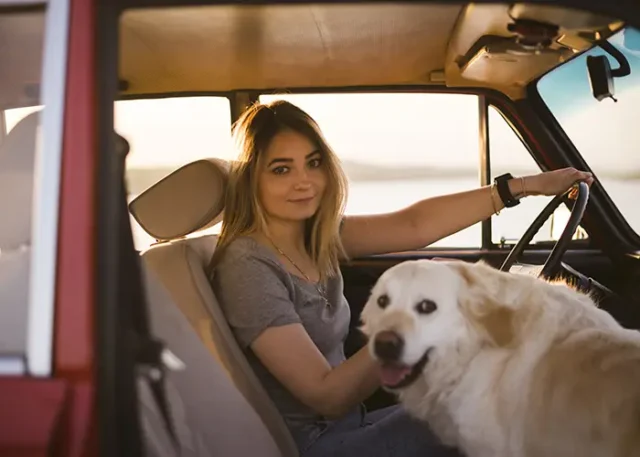
Imagine setting off on an open road with your dog beside you, enjoying new places and making memories together. A road trip can be a wonderful experience for both of you, but things may be different when your furry companion has mobility issues. Arthritis, joint pain, or age-related stiffness can make simple activities, such as climbing into the car, sitting comfortably, or getting out during breaks, more challenging.
The good news is that these difficulties do not always mean leaving your dog behind. With thoughtful planning and a few practical adjustments, you can make the journey easier, safer, and more enjoyable for your four-legged travel companion.
Start With a Veterinary Check Before Traveling
Before planning a long journey, arrange a veterinary check to determine whether your dog is comfortable enough to travel. Mobility difficulties can vary considerably, so the arrangements should reflect your pet’s individual needs.
If your dog has arthritis or another condition affecting movement, discuss the following with your veterinarian:
- Pain management: Ask whether your dog’s current medication or care plan needs any adjustments before traveling.
- Travel duration: Discuss how long your dog can comfortably remain in the vehicle and how frequently they should take breaks.
- Mobility assistance: Find out whether a support harness, sling, or other equipment would make getting around easier.
Understanding your dog’s needs and discussing appropriate dog arthritis treatment with a veterinary professional can help you prepare for a more comfortable journey.
Make Getting In and Out of the Car Easier
Climbing into a vehicle or jumping down from the boot can place unnecessary pressure on a dog’s joints. This can be particularly uncomfortable for pets with arthritis, hip problems, or reduced strength.
A few practical adjustments can make vehicle access easier:
- Use a portable dog ramp: Choose a sturdy ramp with a non-slip surface and a suitable incline. Introduce it at home before traveling so your dog has time to become familiar with it.
- Consider a support harness: A properly fitted harness can help you support your dog’s weight when standing or moving.
- Lift smaller dogs carefully: If your dog is small enough to lift safely, support their chest and hindquarters rather than allowing them to jump.
Avoid forcing your dog to use equipment that causes discomfort or instability. Ask your veterinarian or rehabilitation professional for guidance if you are unsure which option is appropriate.
Create a Comfortable Space Inside the Vehicle
Once your dog is inside the vehicle, the next priority is providing a stable and supportive place to rest. Road movement, sudden braking, and sharp turns can make it difficult for dogs with limited mobility to maintain their balance.
Consider these arrangements:
- Provide supportive bedding: A familiar, cushioned bed can help your dog rest comfortably during the journey.
- Allow room to lie down: Choose a suitable travel area where your dog can settle without being cramped or forced into an uncomfortable position.
- Use appropriate restraints: A properly fitted vehicle harness or securely installed travel crate can help protect your dog while keeping them stable.
Your dog should remain safely restrained throughout the journey. According to the U.S. Food and Drug Administration (FDA), unrestrained pets can distract drivers and risk injury during sudden stops or collisions. Use a properly fitted travel harness secured to the vehicle’s seat belt or a suitable crate secured in place to help keep your dog safe.
Plan Breaks Around Your Dog’s Mobility Needs
Long periods of sitting can make traveling uncomfortable for dogs that already experience joint stiffness. Rather than concentrating only on reaching your destination, plan stops according to your dog’s individual comfort and mobility.
During rest breaks:
- Allow your dog to move around gently if they can do so comfortably.
- Offer fresh water and opportunities to relieve themselves.
- Choose level, accessible areas rather than steep paths or uneven ground.
- Give your pet enough time to rest before continuing the journey.
There is no single break schedule suitable for every dog. Some may need more frequent stops than others, depending on their condition and tolerance for travel.
Avoid encouraging vigorous exercise during breaks. The aim is to provide an opportunity for gentle movement without overexerting your pet.
Pack for Comfort and Unexpected Needs
Having your dog’s essentials within easy reach can make the journey considerably easier. A separate travel bag also helps you avoid searching through luggage whenever your pet needs something.
Consider packing:
- Regular medication and any supplements recommended by your veterinarian.
- A familiar blanket or supportive travel bed.
- A portable water bowl and sufficient drinking water.
- A suitable harness, leash, and mobility support equipment.
- Regular food, treats, and waste bags.
- Veterinary records and your veterinarian’s contact information.
Keep medication in its original packaging and follow the prescribed schedule. It is also sensible to identify veterinary clinics along your route in case your dog needs assistance.
Choose Accessible Stops and Accommodation
Your dog’s comfort matters after you leave the vehicle, too. A destination with steep stairs, slippery floors, or difficult entrances can create additional challenges for a pet with limited mobility.
Before booking accommodation, check whether it offers ground-floor access, suitable walking areas, and enough space for your dog to rest comfortably.
Look for:
- Flat, accessible walking routes with suitable surfaces.
- Pet-friendly accommodation without difficult stair access.
- Nearby green spaces where your dog can take gentle walks.
- A comfortable resting area away from busy communal spaces.
It is also worth checking whether the accommodation has any restrictions on dog size, mobility equipment, or designated pet areas.
Make Every Journey About Your Dog’s Comfort
Traveling with a dog that has mobility issues does not necessarily mean giving up road trips. It simply means approaching them with greater care and flexibility. Veterinary guidance, suitable mobility equipment, comfortable seating, and well-planned breaks can help make the experience more manageable.
Pay attention to your dog’s behavior throughout the journey and be prepared to adjust your plans if they become uncomfortable. A successful road trip is not about covering the most distance; it is about making sure your four-legged companion can enjoy the experience safely and comfortably.
Frequently Asked Questions
Can dogs with arthritis go on long car journeys?
Yes, some dogs with arthritis can travel comfortably, provided their veterinarian considers them fit for the journey and appropriate arrangements are made.
Are dog ramps better than steps for dogs with mobility problems?
Ramps can be easier for many dogs because they avoid the repeated stepping motion, but the best option depends on the dog’s condition, balance, and physical ability.
Should I use a wheelchair for my dog during a road trip?
A dog wheelchair may help some pets move around at their destination, but its suitability should be assessed by a veterinarian or canine rehabilitation professional.