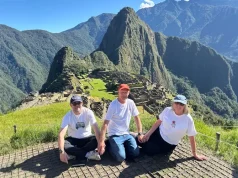
The Andes shape travel in Peru more than any single landmark. These mountains define climate, access, culture, and movement across the country. Ancient routes still guide how people cross valleys, reach highland communities, and approach sacred sites. For travellers, understanding these paths means understanding Peru itself.
Peru’s mountain regions offer layered travel experiences. History, environment, and daily life intersect along routes first laid centuries ago. Modern exploration follows the same logic as the past. Progress depends on terrain awareness, altitude management, and respect for local rhythms.
Ancient Routes That Still Define Movement Across the Andes
Long before modern roads, Andean civilisations created a system of routes designed for efficiency and resilience. The Inca road network linked mountains, coast, and jungle through stone paths engineered for steep gradients and extreme weather. This interconnected system, later recognised as Qhapaq Ñan, supported trade, communication, and governance across vast distances.
Today, many trekking routes follow these original alignments. Stone steps, drainage channels, and retaining walls remain visible across high passes. Their condition reflects precise planning rather than decoration. Builders shaped routes around slope stability, water flow, and long-term use.
Travelling these paths requires preparation rather than spontaneity. Altitude, distance, and surface conditions demand realistic pacing. Visitors who treat these routes as casual walks often underestimate physical demands. Structured itineraries remain essential for safety and enjoyment.
Planning Travel Through Peru’s High Andes
Successful Andean travel begins with planning. Altitude affects breathing, sleep, and energy levels. Cusco sits over 3,400 metres above sea level, and many routes climb higher. Acclimatisation time reduces health risks and improves overall experience.
Route choice matters. Some treks prioritise archaeological access. Others focus on mountain passes, glacial views, or community connections. Weather shifts quickly at elevation, which affects trail conditions and visibility. Planning must account for seasonal patterns, not fixed expectations.
Travellers seeking structured support often rely on Peru travel specialists who understand route logistics, altitude adaptation, and regional variation. Local expertise shapes pacing, accommodation choice, and safety decisions in ways general travel planning cannot replicate.
Beyond Machu Picchu and High-Profile Routes
Machu Picchu remains Peru’s most visited site, but it represents only one element of Andean heritage. Large sections of the Inca road system remain lightly travelled. Routes such as Choquequirao, Lares, and Vilcabamba offer archaeological depth without heavy visitor numbers.
These areas require greater logistical coordination. Access involves longer approaches, limited infrastructure, and fewer emergency services. The reward lies in scale and continuity rather than spectacle. Travellers encounter ruins integrated into working landscapes rather than isolated sites.
Time commitment increases on these routes. Multi-day treks demand consistent energy and weather tolerance. Proper planning allows travellers to focus on observation rather than survival.
Ecological Zones Along Andean Routes
Peru’s mountains contain sharply defined ecological zones stacked by altitude. Lower cloud forests support dense plant life and stable moisture. Higher Central Andean Puna grasslands experience strong winds and wide temperature swings, shaping both wildlife presence and agricultural practice.
Travellers move through these transitions over short distances. Morning warmth may give way to afternoon cold. Layered clothing and equipment planning reduce exposure risk. Environmental awareness supports comfort and reduces strain.
Wildlife encounters depend on timing and terrain rather than chance. Condors follow thermal patterns. Camelids graze at specific elevations. Observing without disruption preserves fragile balance.
Mountain Communities and Living Traditions
Andean routes pass through Quechua communities where daily life follows long-established patterns. Farming, weaving, and herding shape household rhythms. Terraced fields stabilise slopes and regulate soil temperature.
Textile production remains central to cultural identity. Designs signal community origin and agricultural symbolism. Purchasing textiles directly supports local economies and sustains skills passed through generations.
Respectful engagement matters. Simple actions such as asking permission, using basic Quechua greetings, and following local guidance maintain trust. Cultural exchange functions best through observation and participation rather than documentation.
Managing Altitude and Physical Demands
Altitude remains the primary physical challenge in Andean travel. Symptoms linked to altitude sickness range from mild discomfort to serious illness. Gradual ascent and rest days reduce risk, while hydration and nutrition support adaptation.
Physical fitness helps but does not replace acclimatisation. Even experienced hikers require adjustment time. Travel plans must allow flexibility rather than rigid schedules.
Weather adds complexity. The dry season offers clearer conditions but colder nights. Wet season brings lush landscapes alongside reduced trail stability. Each period requires different preparation strategies.
Responsible Travel in Andean Regions
Responsible travel protects both landscapes and livelihoods. Staying on marked trails limits erosion and preserves archaeological remains. Waste management prevents contamination in remote areas.
Community-based accommodation directs income to residents rather than external operators. Homestays provide insight into daily routines while supporting local households.
Cultural sensitivity remains essential. Religious practices, farming schedules, and communal events follow internal priorities rather than visitor expectations. Respect sustains access.
The Andes are not only a backdrop for travel in Peru. They shape movement, culture, ecology, and daily life across the country. Travelling through these regions requires preparation, awareness, and respect for the systems already in place. When routes, communities, and environments are approached thoughtfully, travel becomes safer, deeper, and more rewarding. Careful choices help preserve these mountain regions for those who live there and those who follow.