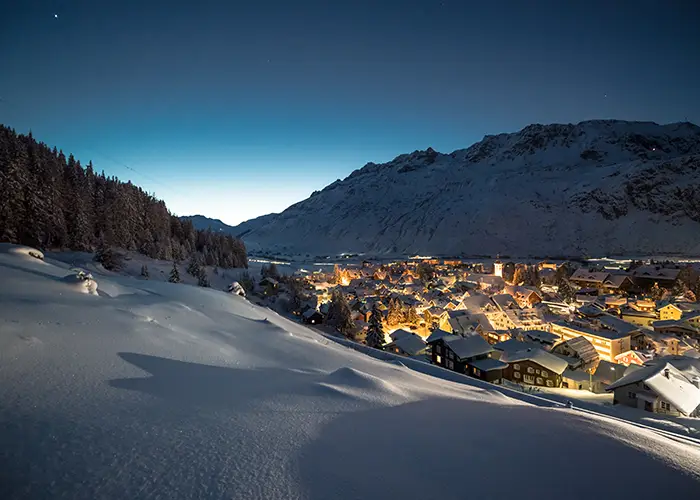
Andermatt may no longer qualify as a secret, but this mountain village in central Switzerland still feels refreshingly removed from the Alps’ most familiar resort circuits. Set in the Ursern Valley and framed by dramatic peaks, it combines serious ski terrain with a historic village center, destination dining, restorative spas and the kind of efficient rail access that makes traveling through Switzerland so appealing.
That mix is increasingly important. A winter vacation is no longer measured only by the number of runs completed before the lifts close. Travelers are looking for places that can satisfy skiers and non-skiers, active days and slower ones, memorable meals and genuine local character. Andermatt makes a strong case for the modern Alpine escape because the mountain is only one part of the experience.
A Swiss Village Reinvented
Andermatt’s transformation has been substantial. Once best known as a quiet military and transit village near the Gotthard Pass, it has developed into an international mountain destination with contemporary hotels, residences, restaurants and upgraded ski infrastructure.
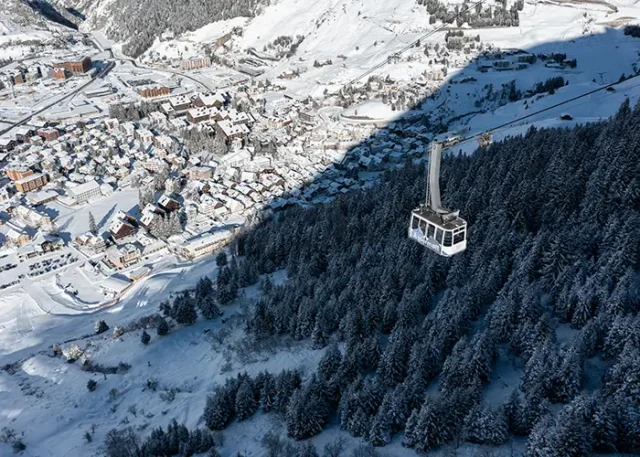
Yet the old village has not disappeared. Traditional timber and stone buildings, narrow streets and a compact center preserve a tangible sense of place. Visitors can move between the historic village and the newer Andermatt Reuss development, experiencing two distinct sides of the destination without losing sight of the mountains that define both.
The location also makes Andermatt a natural addition to a wider Swiss itinerary. Travelers interested in extending their trip can pair a stay here with a wellness-focused visit to Lake Lucerne, approximately 90 minutes away by train, creating an appealing combination of high-altitude adventure and lakeside relaxation.
Snow-Sure Terrain and Plenty of Variety
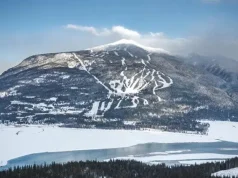
Andermatt sits at a relatively high elevation and benefits from north-facing terrain around Gemsstock, helping it maintain a reputation for dependable snow and a season that can stretch well into spring when conditions permit.
The broader Andermatt-Sedrun-Disentis destination offers more than 180 kilometers of terrain across several mountain areas. Nätschen and the routes toward Sedrun provide groomed skiing for a range of abilities, while Gemsstock is the name that commands the attention of advanced skiers. Its steep descents, open bowls and freeride possibilities have long given Andermatt credibility beyond its polished new hotels.
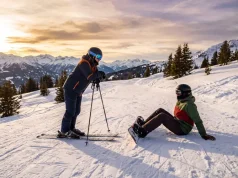
That range matters for mixed groups. Confident skiers can seek out more demanding terrain while less experienced visitors spend the day on gentler slopes, book instruction or simply enjoy the mountain views. Travelers comparing Swiss resorts may also want to read our guide to skiing in LAAX, another destination known for combining extensive terrain with a contemporary resort experience.
Off-piste and backcountry skiing around Andermatt should be approached with appropriate avalanche knowledge and, for most visitors, a qualified local guide. Conditions can change quickly in the high Alps, and marked runs offer only part of the region’s terrain.
A Winter Destination Beyond Skiing
Andermatt works particularly well for travelers who do not want every day to revolve around downhill skiing. Winter walking, snowshoeing and cross-country skiing offer quieter ways to experience the Ursern Valley, while the village provides cafés, shops and an unhurried setting for an afternoon away from the lifts.
The train is part of the appeal. Rail connections place visitors directly in the village and make it possible to arrive without a car. The local railway also plays an important role in connecting communities and mountain areas across this part of the Alps, turning the journey itself into part of the winter experience.
After dark, Andermatt is more intimate than some of Europe’s larger party-driven resorts. Après-ski is available, but the destination’s personality leans toward relaxed drinks, long dinners and evenings by the fire rather than an all-night club scene. For couples, families and multigenerational groups, that quieter rhythm can be a virtue.
One of the Alps’ Most Interesting Dining Scenes
Food is a major reason to look beyond Andermatt’s ski statistics. The village and surrounding mountains have assembled a remarkable concentration of ambitious restaurants, including several recognized by the Michelin Guide.
At The Chedi Andermatt, The Japanese Restaurant brings contemporary Japanese cooking and Western influences together in an elegant omakase experience. High above the village, The Japanese by The Chedi at Gütsch pairs refined Japanese cuisine with sweeping Alpine views. IGNIV by Andreas Caminada takes a more convivial approach, building its experience around creative dishes intended for sharing.
Mountain dining is not limited to a quick lunch between runs. At Gütsch by Markus Neff, guests can settle in for polished cuisine at altitude, making the meal a destination in its own right. Elsewhere, traditional Swiss dishes and casual mountain restaurants offer a welcome counterpoint to Andermatt’s fine-dining credentials.
The result is a resort where travelers can plan the day around dinner as easily as they plan it around snow conditions. Reservations are advisable for the most sought-after restaurants, particularly during weekends and holiday periods.
Spa Time With a Mountain View
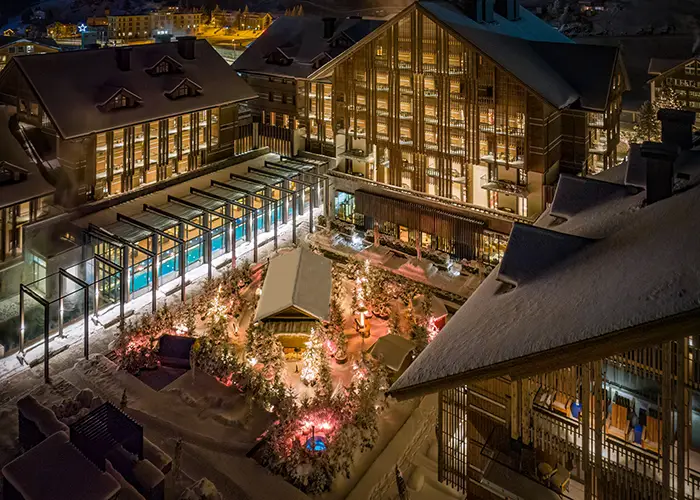
Wellness adds another dimension to Andermatt’s winter appeal. The Chedi Andermatt is the village’s best-known luxury hotel, blending Alpine materials with Asian-inspired design. Its extensive spa provides pools, saunas, steam baths, treatment spaces and places to rest after a cold day outdoors.
The Radisson Blu Hotel Reussen offers a more contemporary Alpine base in Andermatt Reuss. Its Uela Spa includes a 25-meter indoor pool overlooking the Ursern Valley, along with saunas, a steam bath, fitness facilities and treatment rooms. It is a practical choice for travelers who want substantial wellness amenities and convenient access to the village and lifts.
These hotels also make Andermatt appealing to couples or groups with different ideas of a perfect winter day. One person can head for the first lift while another sleeps late, books a treatment or explores the village, with everyone meeting again for dinner.
Planning a Winter Trip to Andermatt
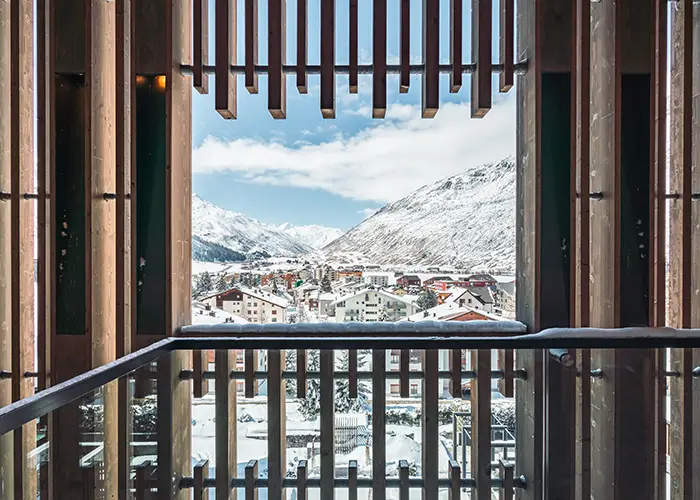
Andermatt is located in the canton of Uri and is easily reached by rail, with connections through cities such as Zurich and Lucerne. The final portion of the journey winds into the Alps, offering an appropriately scenic introduction to the destination.
The best time to visit depends on priorities. Midwinter generally offers the deepest winter atmosphere, while later-season trips can bring longer daylight and the possibility of spring skiing. Snow and operating conditions vary, so travelers should check current lift schedules, trail reports and weather forecasts before departure.
Packing for Andermatt also requires some flexibility. Temperatures can differ substantially between the village and the upper mountain, making layered clothing essential. Non-slip footwear is useful for walking through the village, and advance reservations are recommended for ski lessons, mountain guides, spa treatments and notable restaurants during busy periods.
Andermatt’s greatest strength is not any single hotel, restaurant or ski run. It is the way these elements fit together. Travelers can ski challenging terrain in the morning, linger over lunch above the clouds, spend the afternoon in a spa and end the day in a village that still feels connected to its Alpine past. For anyone seeking a Swiss winter vacation with as much depth off the slopes as on them, Andermatt deserves a place near the top of the list.