

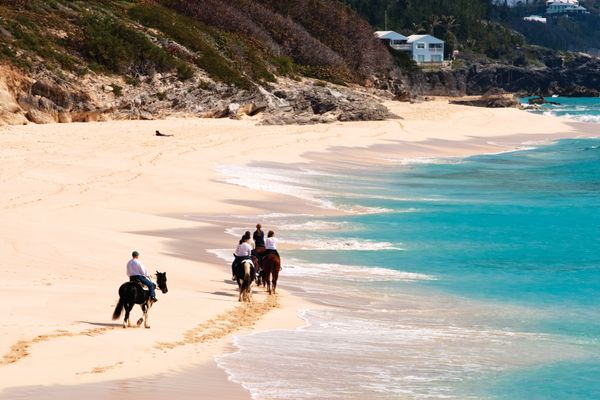
The enduring appeal of a beach vacation is easy to understand. Travellers still want warm sand, ocean views and time away from everyday routines. What is changing is how they choose a destination and what they expect once they arrive.
Today’s coastal getaway is less likely to revolve exclusively around lying beside a resort pool. Travellers are looking for quieter beaches, active experiences, regional cuisine, private accommodations and meaningful connections with the communities they visit. Environmental conditions, seasonal crowds and the health of coastal ecosystems are also becoming increasingly important considerations.
Here are some of the biggest trends reshaping beach and island vacations.
Closer-to-Home Beaches Are Having a Moment
An unforgettable beach vacation does not necessarily require a long-haul flight. Travellers are rediscovering coastal destinations that can be reached by car, train or a short domestic flight.
Expedia’s 2026 summer travel research found that searches for beaches in Florida and California had increased considerably, accompanied by growing interest in nearby lakes, mountains and outdoor destinations. This points to a broader preference for vacations that are easier to arrange and require less complicated travel.
For Canadians, that could mean exploring Vancouver Island, the Gulf Islands, the beaches of Prince Edward Island or the freshwater shorelines of Ontario and British Columbia. American travellers have equally varied options, from the coast of Maine and the Outer Banks to California beach towns and the Great Lakes.
Shorter journeys can also make long weekends and spontaneous coastal escapes more practical.
Travellers Are Looking Beyond Famous Resort Towns
Popular beaches will always attract visitors, but growing crowds have encouraged travellers to consider quieter alternatives.
Instead of automatically booking the best-known island or resort town, some vacationers are choosing smaller communities, lesser-visited islands and coastal areas just beyond the main tourism centres. These destinations can offer more space, a relaxed atmosphere and stronger connections with local culture.
That might mean staying on Gozo instead of Malta’s busiest coast, visiting Koh Yao Noi rather than Phuket or exploring a quieter Greek island instead of returning to the most heavily visited parts of Santorini and Mykonos.
The goal is not to uncover a supposedly “secret” beach and send crowds rushing toward it. It is to spread travel more thoughtfully while choosing places that match the atmosphere the traveller actually wants.
Shoulder-Season Beach Vacations Are Growing in Appeal
The classic summer beach holiday now has competition from spring and fall travel.
Shoulder seasons frequently bring comfortable temperatures, fewer visitors and more accommodation choices. Restaurants and attractions may also be easier to enjoy without peak-season crowds.
The ideal months vary by destination. September can be a wonderful time for parts of the Mediterranean, while late spring and early summer can work well in the Caribbean before the hottest and wettest part of the year. Travellers should investigate local weather patterns rather than assuming the same calendar applies everywhere.
A shoulder-season visit can also help coastal communities extend tourism beyond a few intensely busy weeks. DRIFT Travel’s guide to Madeira as a shoulder-season adventure destination shows how travelling outside the conventional peak can combine quieter experiences with excellent outdoor conditions.
The Quiet Beach Vacation Is the New Luxury
For years, luxury beach resorts competed by adding restaurants, entertainment venues and increasingly elaborate pools. Those amenities still matter, but many travellers now define luxury in simpler terms: silence, space, privacy and an uncrowded view.
Booking.com’s 2026 travel predictions found that 43 percent of surveyed travellers would take a vacation specifically to feel closer to nature. This preference is supporting interest in secluded villas, small island hotels, adults-only retreats and accommodations away from busy entertainment districts.
Quiet does not have to mean total isolation. It can mean a room overlooking the water, a resort without amplified poolside music or a beach where the morning begins with birds and waves rather than a packed activity schedule.
This change is also creating more demand for reading retreats, digital detoxes, meditation, birdwatching and other low-key activities that allow travellers to enjoy a destination without rushing.
Multigenerational Beach Trips Are Changing Accommodations
Beach destinations are a natural choice for extended families because they can provide something for nearly every generation. Children can play in the sand, teenagers can try water sports, and adults can alternate between activities and relaxation.
However, a multigenerational vacation requires more than several conventional hotel rooms. Families are increasingly looking for private villas, residences, connecting suites and resorts with flexible gathering spaces.
Kitchens and laundry facilities can be particularly helpful when travelling with young children. Multiple bedrooms provide privacy, while a shared living area, terrace or pool gives everyone a place to reconnect.
Accessibility should also be considered before booking. Steep pathways, distant guestrooms and beaches reached only by long staircases may be manageable for some family members but difficult for others.
Travellers looking for inspiration can explore DRIFT Travel’s selection of private retreats for multigenerational family vacations.
Wellness Is Moving Beyond the Resort Spa
The ocean has always been associated with restoration, but wellness-oriented beach travel now extends well beyond massages and facials.
Resorts and retreats are introducing sleep programs, guided meditation, nutritious dining, open-water swimming, paddleboard yoga and movement classes held beside the sea. Some properties are also incorporating local healing traditions and ingredients into their wellness programs.
At the same time, travellers do not need a formal retreat to create a restorative vacation. A morning walk, a swim, an afternoon without a phone and an early night can be every bit as valuable as a packed wellness itinerary.
The most successful wellness-focused beach holidays leave guests feeling rested rather than pressured to complete another list of scheduled activities.
Soft Adventure Is Replacing the Fly-and-Flop Holiday
Many travellers still want time on a sun lounger, but they also want to experience what lies beyond the resort.
Kayaking through mangroves, snorkelling with a local guide, cycling between coastal villages and hiking to a secluded cove can transform an ordinary beach holiday into a more memorable journey. Food tours, fishing excursions and visits to small farms or markets can provide a deeper understanding of the destination.
This is sometimes described as “soft adventure”: accessible outdoor activity that does not require specialist training or extreme physical fitness.
Before booking a marine activity, travellers should look for experienced operators that follow local wildlife and safety regulations. Tours should never guarantee close contact with wild animals or encourage guests to touch, feed or chase them.
Coastal Conservation Is Becoming Part of the Decision
A beautiful coastline depends on healthy marine and coastal ecosystems. Coral reefs, dunes, wetlands, mangroves and seagrass beds help support wildlife while protecting communities from storms and erosion.
Travellers are becoming more aware of the effect tourism can have on these environments. As a result, responsible waste management, water use, reef protection and community involvement are increasingly relevant when selecting a resort or tour operator.
Terms such as “eco-friendly” and “sustainable” can be used loosely, so it is worth looking for specific evidence. Does the property reduce single-use plastics? Does it treat wastewater responsibly? Does it employ local residents and source food locally? Does it support a credible conservation initiative?
Guests can also help by respecting protected areas, avoiding wildlife harassment, using reef-conscious sun protection and leaving shells, coral and other natural objects where they belong.
Travellers Are Paying More Attention to Beach Conditions
Beach photos taken on a perfect day do not always reveal what conditions will be like during a particular visit.
Sargassum can affect parts of the Caribbean and Mexico at certain times, while storms, coastal erosion, extreme heat, currents and seasonal jellyfish may influence other destinations. Conditions can change from one beach to another and from week to week.
Before travelling, it is sensible to consult current destination information, recent guest reports and local weather or marine forecasts. Travellers should also check whether a resort has more than one swimming area or provides alternative activities when ocean conditions are unsuitable.
Flexibility is increasingly important. A hotel with a good pool, wellness facilities, cultural excursions or access to nearby communities can still provide an enjoyable stay when the beach is temporarily affected.
A Better Kind of Beach Vacation
The modern beach vacation is not defined by one destination or style of resort. It may be a private villa shared by three generations, a quiet coastal hotel visited in September or an active escape filled with snorkelling and kayaking.
What these trips share is greater intention. Travellers are thinking more carefully about when they go, how long they stay, what they do and how their visit affects the destination.
The beach remains the attraction, but the most rewarding coastal holidays now extend far beyond the sand.