
Most people assume cabin trips take care of themselves. You show up, the trees are there, and the rest follows naturally. But the stays that feel genuinely good are built before departure. Setting honest expectations and packing the right things makes a real difference from day one.
Where you go shapes everything about how a trip plays out. Few destinations prove that point better than cabin rentals in Haida Gwaii. This remote island group sits off the northern coast of British Columbia. The area sits inside old-growth forest and borders wild, open coastline. The Haida people carry a strong cultural connection to this land, and that presence shapes the experience of being there in a very real way.
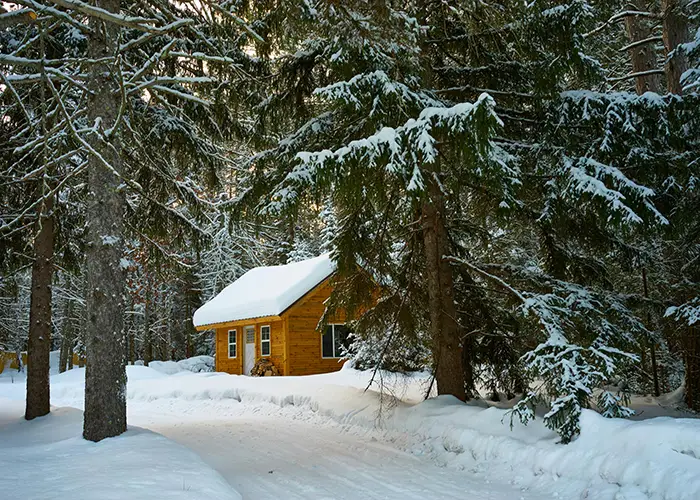
Pick a Cabin That Fits Your Group
Not every cabin works for every group, and that mismatch shows up fast after arrival. A couple wanting peace has different needs than four people sharing a bunk and kitchen. Getting this sorted before booking prevents a lot of avoidable frustration during the trip itself. There are two things worth thinking through early in the process.
Think About the Location
Check how far the cabin sits from the nearest town before committing to anything. Look at what the surrounding area offers during different types of weather. Think about the transit time needed to get there from your starting point.
Among Canadian destinations Haida Gwaii is a top pick for travelers planning a wilderness trip. The southern islands are part of Gwaii Haanas National Park Reserve. Parks Canada and the Haida Nation work together to manage it. This joint management gives the area protection that you do not find elsewhere. The northern islands have old-growth trails and a shoreline with different types of rocks and beaches.
To get to Haida Gwaii you can take a ferry or a small plane. Both options take a lot of planning. When you plan your trip remember to include travel time to and, from Haida Gwaii from the start.
Match the Cabin to Your Group Size
A cabin with a queen bed, a bunk, and a day bed fits four guests well. Think about how your group shares space before you commit to a booking. A tight fit on the first night often becomes a real issue by day three.
Pack for What the Cabin Won’t Have
Remote cabins typically include a bed frame, a heat source, a bathroom, and some basic cookware. What many don’t supply are bedding, towels, and personal care items. Always check the property’s supply list before you leave home. A missing blanket seems minor at home but becomes a real problem far from the nearest store.
Cabin guests tend to overlook a few things that are easy to forget before leaving home. These are the most common items worth addressing before you pack.
- A sleeping bag liner or spare blanket rated for cold overnight temperatures
- Towels that dry fast and enough personal care products for the full stay
- A headlamp with extra batteries for use inside and outside after dark
- Matches or a lighter for starting and relighting the wood-burning fireplace
- Shelf-stable food to cover at least the first full day after you arrive
Sorting your remote travel packing and gear before departure saves real stress on arrival day. A gas stovetop handles simple meals well, but only when groceries are planned ahead of time. Do a proper grocery run in the nearest town before heading into remote territory.
Adjust to Off-Grid Living
Many remote cabins run on limited electricity and ask guests to use water with care. This reflects how the property was built and run, not a gap in the hosting experience. Water pressure may differ from what you are used to at home. Hot water may be available only during shorter windows each day. Knowing this before you arrive helps you adapt without frustration on the first evening.
Small Habits Go a Long Way
You don’t need to overhaul your routine to handle off-grid living well. A few small changes cover most of what is needed. Keep showers short and focused. Turn lights off when you leave a room. Charge one device at a time rather than all at once. These small shifts help the cabin’s systems hold up through the full stay without issue.
Plan your power use around the fireplace, basic lighting, and charging one device at a time. Avoid running multiple appliances at the same time. Most off-grid setups handle standard cabin use well as long as guests stay reasonably mindful throughout.
Get Comfortable With the Fireplace
A wood-burning fireplace changes a cabin evening in a way central heating cannot match. Learning to build a steady fire makes cold nights better for everyone in the space. Start with dry kindling and smaller pieces before moving to larger logs. Keep the damper fully open until the fire settles into a consistent burn.
Cabins usually have firewood near the entrance or right outside the door. It is an idea to bring some of your own firewood because this gives you a reliable backup for when it is wet or when you arrive late. When it is raining outside having a fire and cooking a meal on the stovetop at a pace is a great way to spend the afternoon. When the weather is bad you can spend your time indoors reading books playing card games and cooking meals with the people you are, with.
Leave the Cabin Ready for the Next Guest
Remote properties depend on guests returning the space to a clean and working condition before checkout. Clean the kitchen before you leave. Take all waste to the correct disposal area. Confirm the fireplace is fully cold before walking out the door.
Leave No Trace principles apply inside the cabin just as they do on the trails outside. Some remote areas have limited or infrequent waste collection. Bringing reusable bags for sorting trash and recyclables saves a real scramble at checkout time.
Run through these steps before loading the vehicle and heading out.
- Stack remaining firewood neatly where you found it
- Return furniture and items to their original spots
- Do a full walkthrough of every room
- Confirm all lights are off and the fireplace is completely cold
Leaving the cabin in good shape helps the host keep the property running well for future visitors. It also reflects the kind of care that makes remote, independently run accommodation worth maintaining over time.
The Prep Work Is Where the Trip Really Starts
Good cabin trips are built before you leave home, not figured out after you arrive. Match the location to your group and pack honestly for what the property provides. Respect how the space was designed to run. When those pieces are in order, the slow mornings and quiet evenings come naturally. That is what most travelers carry with them long after the drive home is finished.