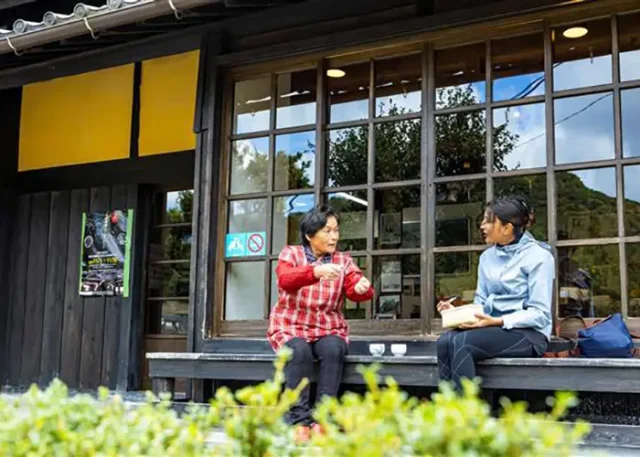
When most travelers picture Japan, they imagine Tokyo’s neon-lit streets, the speed of the Shinkansen, and iconic landmarks such as Kyoto’s temples or Osaka’s bustling entertainment districts. While these destinations remain essential stops for many visitors, a different side of Japan is quietly gaining attention—one where travel is measured not by the number of sights checked off a list, but by the quality of the connections made along the way.
Across Japan’s smaller towns, rural landscapes, and lesser-known regions, community-centered travel is creating opportunities for visitors to experience the country through local traditions, family-run businesses, and meaningful cultural exchanges. It is a slower, more immersive approach to travel that encourages visitors to engage with the people and places that make each region unique.
Looking Beyond Japan’s Golden Route
For decades, Japan’s famed Golden Route—Tokyo, Kyoto, and Osaka—has introduced visitors to the country’s most celebrated attractions. Yet venturing beyond these well-traveled destinations often reveals a richer and more personal side of Japan.
In regional communities, travelers encounter traditions that remain deeply woven into everyday life. Local festivals continue to bring generations together, artisans preserve centuries-old craft techniques, and family-owned restaurants serve recipes passed down through the years. These destinations offer something increasingly rare in modern travel: authenticity.
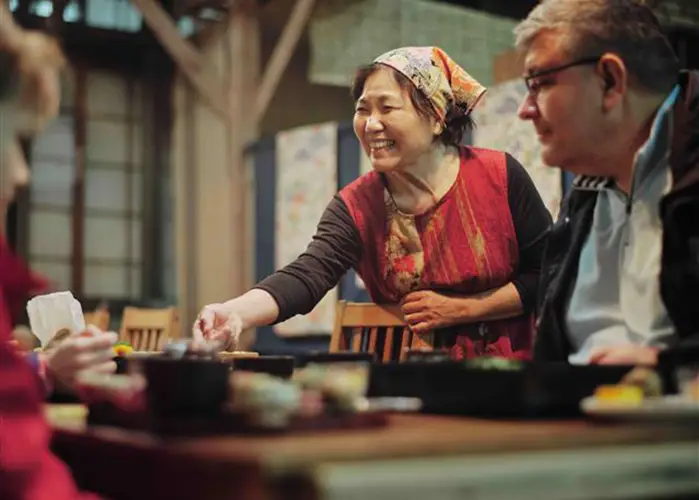
Exploring beyond the major tourism hubs also helps support local economies and encourages a more balanced distribution of tourism throughout the country. Travelers are rewarded with quieter experiences, fewer crowds, and a deeper understanding of Japan’s remarkable regional diversity.
Staying Where Local Life Happens
One of the most rewarding ways to experience Japan is through accommodations that are rooted in the communities they serve.
Traditional ryokan inns provide a glimpse into Japanese hospitality through tatami rooms, local cuisine, and centuries-old customs. Family-run minshuku guesthouses offer an even more intimate experience, allowing visitors to interact directly with hosts who often share stories, recommendations, and insights about their hometowns.
In rural regions, countryside stays offer opportunities to experience agricultural life firsthand, while temple lodgings known as shukubo invite guests to participate in practices that have shaped Japanese spiritual traditions for generations. These accommodations transform a simple overnight stay into a cultural experience.
Following Japan Through Its Flavours
Food has always been one of the most direct pathways into a culture, and nowhere is this more evident than in Japan’s regional culinary traditions.
While Michelin-starred restaurants often capture international attention, some of Japan’s most memorable dining experiences take place in modest neighborhood establishments. Tiny ramen shops, family-owned eateries, local markets, and traditional yatai food stalls frequently showcase ingredients and recipes unique to their region.
Every prefecture has its own specialties, from distinctive ramen styles and locally brewed sake to seasonal dishes shaped by geography and climate. Travelers willing to step away from tourist-focused dining districts often discover the flavors that locals are most proud to share.
Learning Through Hands-On Experiences
Meaningful travel is often built around participation rather than observation.
Across Japan, visitors can join workshops that introduce traditional skills and cultural practices. Sushi-making classes reveal the craftsmanship behind one of the country’s most famous culinary traditions. Indigo-dyeing workshops connect travelers to centuries-old textile techniques. Other experiences may include pottery, paper-making, calligraphy, or even learning the rhythms of taiko drumming.
These hands-on activities provide more than souvenirs or photographs. They offer insight into traditions that continue to play an important role in local communities and help preserve skills that have been passed from one generation to the next.
The Value of Local Voices
Guidebooks and travel apps can point visitors toward popular attractions, but local residents often provide the most memorable recommendations.
Throughout Japan, volunteer and community guides share their neighborhoods through walking tours, storytelling experiences, and cultural exchanges that go far beyond standard sightseeing. Their personal perspectives reveal hidden corners, local history, and everyday traditions that many travelers would otherwise overlook.
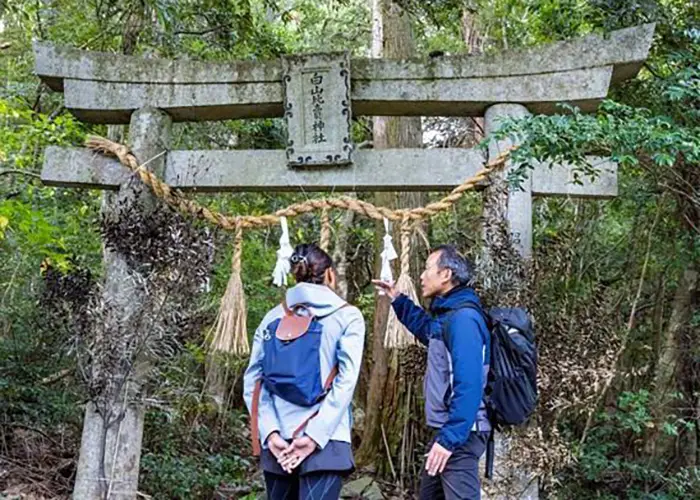
These interactions frequently become the highlights of a trip, turning destinations into relationships and transforming travel from observation into participation.
Five Ways to Travel Like a Local in Japan
For travelers hoping to experience a deeper side of Japan, a few simple principles can make a significant difference:
Slow Down
Rather than rushing between destinations, spend more time in fewer places. A slower pace allows for unexpected discoveries and meaningful interactions.
Support Local Businesses
Choose family-run accommodations, restaurants, shops, and tour operators whenever possible. Your spending directly benefits local communities.
Ask for Recommendations
Locals often know the best restaurants, viewpoints, festivals, and hidden gems that rarely appear in travel guides.
Respect Local Customs
Whether it’s removing shoes before entering a home, observing dining etiquette, or following photography guidelines, understanding local customs demonstrates respect and enhances cultural exchange.
Be Mindful of Communities
Some areas are residential or culturally sensitive. Paying attention to local guidelines helps preserve the character of the places being visited.
A Different Way to Experience Japan
As travelers increasingly seek authentic experiences and meaningful connections, Japan’s community-centered tourism movement offers an appealing alternative to traditional sightseeing.
Beyond the famous landmarks lies a country of welcoming villages, skilled artisans, family-run inns, and proud local communities eager to share their traditions. For those willing to venture beyond the Golden Route, Japan reveals itself not simply as a destination to visit, but as a place to experience through its people, culture, and everyday life.
In a world where travel often moves at a relentless pace, Japan’s quieter corners remind us that some of the most rewarding journeys begin when we slow down.