

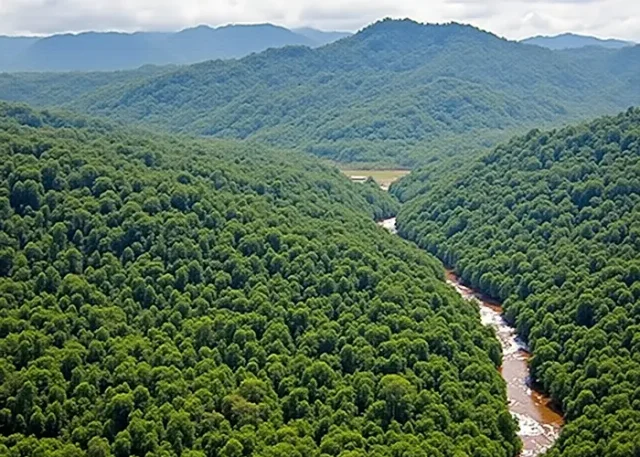
There is a moment on the road east from Quito when the Andes begin to disappear. The air grows warmer, clouds settle between the mountains, and the landscape turns an almost impossible shade of green. Waterfalls appear beside the road, rivers become wider, and the city feels much farther away than the distance on the map suggests.
This is the entrance to Ecuador’s Amazon region—a place many travelers visit for wildlife, rafting, jungle walks, and indigenous culture. Yet some come for a journey that is far more personal. An ayahuasca retreat offers an unusual way to experience the rainforest: not simply as a destination to observe, but as an environment in which to slow down, listen, and temporarily step outside ordinary life.
The Road Where the Andes Turn Green
Ecuador is compact enough that travelers can leave the cool highlands in the morning and arrive in the tropical province of Napo later the same day. The transition is part of the experience. Busy streets give way to cloud forest, roadside fruit stalls, small communities, and the constant presence of water.
Near Tena, the rainforest is no longer something seen through a vehicle window. It becomes the surrounding world. Nights are filled with insects and frogs, mornings begin with birds, and sudden rain can arrive with theatrical force before disappearing just as quickly.
The jungle is not decorative scenery around the program. Its slower rhythm helps participants leave behind the speed and noise of their usual routines.
Why an Ayahuasca Retreat Is More Than One Night
Popular culture often presents ayahuasca as a single extraordinary ceremony followed by an immediate transformation. The reality is usually slower and more layered.
A responsible ayahuasca retreat in Ecuador takes place over several days. Participants have time to arrive, become familiar with the environment, meet the people guiding them, and prepare for the ceremonies. The days afterward provide space to rest and understand what happened.
Several ceremonies may be included because each night can feel different. A first experience may involve nervousness or simply learning to trust the setting, while a later ceremony may bring attention to different emotions and memories.
This is why an ayahuasca retreat should not be treated as a quick attraction between other travel activities. The pauses matter as much as the scheduled program.
Inside an Ayahuasca Ceremony After Dark
When evening arrives, the atmosphere changes. Participants enter a maloka, a traditional structure used for gatherings and ceremonial work. Individual mattresses are prepared, lighting is kept low, and sober assistants remain close enough to help without unnecessarily interrupting anyone’s process.
The exact form of an ayahuasca ceremony varies according to the shaman’s lineage. Some traditions include songs and instruments, while others work mainly in silence. In the rainforest, even silence is never truly silent: rain moves across the roof, insects pulse outside, and the river continues somewhere in the darkness.
During a carefully guided ayahuasca ceremony the shaman does much more than serve the preparation. The shaman observes participants, maintains the ceremonial environment, and may perform individual cleansing using mapacho tobacco, plant essences, smoke, breath, or other traditional methods.
The experience is different for everyone. Some people report visual imagery, while others experience memories, emotions, physical sensations, or long periods of stillness. A genuine center should never promise a particular result.
The People Behind the Experience
Travel photographs can show comfortable cabins and beautiful forest, but they cannot reveal the judgment of the people responsible for the retreat. That is why the shaman and support team matter more than luxury.
A traditional healer may have spent decades learning from older generations. This knowledge cannot be replaced by a short course or an impressive online profile.
Assistants are equally important. They should remain sober throughout every ayahuasca ceremony and be available if a participant needs water, reassurance, or help moving safely.
Small groups make individual attention easier. Before booking, travelers should ask how many participants attend, who is present during ceremonies, how health information is reviewed, and what happens if somebody needs medical assistance.
Preparation Begins at Home
The journey starts before the flight. Retreat centers usually provide dietary and lifestyle recommendations for the days or weeks before arrival. Participants may be asked to avoid alcohol, recreational substances, certain foods, sexual activity, and medications that can interact dangerously with ayahuasca.
Honest screening is essential. Applicants should disclose medical conditions, psychiatric history, current medication, blood pressure concerns, and previous panic attacks. Ayahuasca is not suitable for everyone, and a responsible center may decline an application when participation would create an unacceptable risk.
Meditation, journaling, and reflecting on personal intentions can help participants arrive with greater clarity. An intention offers direction, but it should not become a demand for one specific answer.
The Quiet Hours Between Ceremonies
Much of the retreat takes place outside the maloka. Participants sleep, eat together, speak about their experiences, and gradually become accustomed to the pace of the rainforest.
Depending on the program, days may include waterfalls, caves, rivers, cacao farms, herbal saunas, or visits to local communities. These activities create a fuller connection with the region, but they should leave enough time for rest.
After an intense night, sitting beside a river can be more valuable than filling the schedule. The body settles, fragments of memory return, and difficult emotions may become easier to understand.
Choosing Substance Over Beautiful Marketing
The growing popularity of ayahuasca has produced retreats with very different levels of experience and responsibility. Travelers should look beyond professional photographs and emotional promises.
Important questions include the shaman’s background, the size of the group, the presence of sober assistants, screening procedures, proximity to medical care, and the support available before and after ceremonies.
Reviews can help when they describe organization, communication, safety, and the conduct of the team. Be cautious of centers that guarantee healing, accept every applicant immediately, or present ayahuasca as entertainment. Responsible guidance is often visible long before the participant arrives.
Bringing the Journey Home
Leaving the Amazon can feel abrupt. After nights filled with rainforest sounds and days without a normal schedule, airports, messages, and responsibilities may seem unusually intense.
Integration means deciding what deserves to continue after the journey. Insights may lead to healthier boundaries, therapy, meditation, or changes in relationships. Not every realization requires an immediate life-changing decision.
The most valuable outcome may be simple: greater awareness of a habit or a clearer understanding of a relationship.
An ayahuasca retreat is therefore not only about what happens in the maloka. It is also about the road into the jungle, the people holding the space, the silence between ceremonies, and the choices made after returning home.
For travelers who approach it carefully, the Ecuadorian Amazon offers more than an unusual destination. It creates space to stop moving, pay attention, and encounter both the rainforest and oneself from a different perspective.