Canada’s newest restaurants are giving travelers more reasons to build a trip around dinner. Air Canada has revealed the 30 finalists for its 2026 Best New Restaurants program, highlighting openings from major culinary centers such as Toronto, Montreal and Vancouver alongside unexpected dining destinations including Revelstoke, Collingwood, Val-David and Sainte-Anne-de-Beaupré.
The restaurants opened between May 1, 2025, and April 30, 2026, and were evaluated for their food, service and contribution to Canada’s evolving culinary identity. The finalists span intimate tasting counters, neighborhood taverns, Korean barbecue restaurants, Italian pasta specialists and kitchens drawing upon Afro-Caribbean, Latin American, Indian and Southeast Asian traditions.
The list remains unranked for now. Canada’s Top 10 Best New Restaurants of 2026 will be announced in Toronto on November 16.
Toronto leads the 2026 finalists
With nine finalists, Toronto has the largest presence on this year’s list. The selections demonstrate the breadth of the city’s restaurant scene, moving from Italian cooking and contemporary seafood to Latin American and Korean-inspired dining.
Antylia brings together the Mexican and Ecuadorian backgrounds of husband-and-wife chefs Aldo Camarena and Ashley McKay. Its menu moves across Latin America while incorporating Canadian ingredients, with dishes such as charcoal-grilled cauliflower accompanied by prairie mole and maple sunflower crumble.
Bar Eugenie offers the polished but informal appeal of a neighborhood bistro. Its menu includes subtle references to chef Rebekah Bruce’s Filipino heritage, while a compact wine program and shareable plates encourage an unhurried evening.
N.L. Ginzburg combines Italian cooking with elements of Jewish diasporic food traditions. OLDESEOUL TAVERN, meanwhile, reimagines a casual Toronto tavern through Korean flavors, creative cocktails and dishes designed for sharing.
Toronto’s remaining finalists are Liliana, Radici Project, SAMMARCO, Seahorse and Zia’s Place.
Montreal’s dining scene continues to evolve
Montreal contributes four restaurants to the longlist, each with a distinct identity.
Located inside Jean-Talon Market, 3 Pierres 1 Feu centers Haitian and Afro-Caribbean cooking. Charcoal-grilled meats, vibrant side dishes and a communal atmosphere make the restaurant a natural extension of one of Montreal’s most celebrated food markets.
Bistrot Fortune draws upon the Vietnamese and Salvadoran roots of partners Andrew Choi and Carlos Ortiz. Its Southeast Asian and Latin American influences meet in dishes such as hamachi crudo with aji verde, crispy pork salad and whole fish intended for the table.
Hana Korean Steakhouse brings Korean barbecue into an elegant Old Montreal setting. Prime beef is cooked over tabletop grills and served alongside banchan, seafood and sake.
Yakitori Hibahihi completes Montreal’s showing in the 2026 competition.
Vancouver showcases global flavors
Vancouver also has four finalists, with restaurants reflecting the city’s international influences and access to British Columbia produce and seafood.
Angela Pastificio is devoted to handmade pasta. Its tasting menu progresses from antipasti through a sequence of fresh pasta dishes before concluding with traditional Italian desserts. Guests can watch dough being rolled, shaped and filled from the intimate dining room.
Kavita draws inspiration from chef Tushar Tondvalkar’s childhood in Mumbai and connections to the coastal town of Malvan. Indian traditions are expressed through local ingredients, including British Columbia seafood, rooftop-grown herbs and paneer made with regional buffalo milk.
Nui takes a contemporary approach to Korean comfort food. Its signature gomtang—a slow-simmered soup traditionally prepared with beef or pork bones—is accompanied by house-made kimchi and chile-shrimp paste. Smaller dishes incorporate ingredients such as Hokkaido uni and cured mackerel.
Touk rounds out Vancouver’s finalists.
New reasons to dine beyond Canada’s largest cities
One of the most interesting aspects of the 2026 list is the number of restaurants located outside the country’s traditional dining centers.
In Revelstoke, British Columbia, Alfred’s serves Italian food in a warm, family-style setting surrounded by the Selkirk Mountains. Fresh pasta, mortadella, cheese buns and pork meatballs make it an appealing addition to a ski or mountain itinerary.
Victoria’s Lumache is considerably more intimate. The 16-seat restaurant serves a chef-led Italian tasting menu created by chef James Frost, with wine selections overseen by sommelier Heather Dosman. The small room and open kitchen make the experience feel closer to a private dinner party than a conventional restaurant visit.
In Quebec, Coquette brings seafood, market ingredients and a relaxed bistro atmosphere to Sainte-Anne-de-Beaupré, approximately 30 minutes from Quebec City. MacTaverne offers a different kind of escape in Val-David, combining tavern cooking, local drinks and a riverside setting in the Laurentians.
Ontario’s smaller destinations are equally well represented. LORE in Collingwood explores Canadian ingredients and culinary memories through a playful tasting menu. Ottawa finalist Antheia uses fermentation as the foundation of an inventive vegetarian tasting experience created by chef Briana Kim.
Niagara emerges as a serious dining destination
Three finalists are located in the Niagara region, strengthening its reputation as more than a wine-country day trip.
Restaurant Capelin is a 12-seat counter restaurant in downtown St. Catharines. Owners Kat and Alex Seaborn showcase sustainably caught Lake Ontario fish, regional vegetables and Niagara wines and ciders in a setting that resembles an intimate dinner party.
Also in St. Catharines, Bar Les Incompetents is a seafood-focused French-inspired bar from chef Zach Smith. The menu includes anchovy tartines, jambon-beurre and abundant seafood platters accompanied by French and Canadian wines.
Revé, listed under the broader Niagara region, completes the area’s selections.
For travelers, the cluster makes it possible to plan a culinary weekend combining restaurant reservations with winery visits, cycling routes and stays in Niagara-on-the-Lake or St. Catharines.
Alberta and Manitoba join the list
Alberta has three finalists. Calgary is represented by Penny Crown and Sushi Jun, while Rita Trattoria is located in Edmonton.
Penny Crown draws inspiration from the classic urban tavern. Its dark, intimate dining room sets the stage for rich dishes such as bone marrow, foie mousse, garlic shrimp and a burger served on a house-made duck-fat bun.
In Winnipeg, Snack Haüs is Manitoba’s only finalist and the sole representative from the Prairie provinces outside Alberta.
The geographic distribution is not entirely national: no restaurants from Atlantic Canada, Saskatchewan or the territories appear among the 2026 finalists. Toronto alone accounts for nearly one-third of the list.
The complete list of 2026 finalists
British Columbia
- Alfred’s — Revelstoke
- Angela Pastificio — Vancouver
- Kavita — Vancouver
- Lumache — Victoria
- Nui — Vancouver
- Touk — Vancouver
Alberta
- Penny Crown — Calgary
- Rita Trattoria — Edmonton
- Sushi Jun — Calgary
Manitoba
- Snack Haüs — Winnipeg
Ontario
- Antheia — Ottawa
- Antylia — Toronto
- Bar Eugenie — Toronto
- Bar Les Incompetents — St. Catharines
- Liliana — Toronto
- LORE — Collingwood
- N.L. Ginzburg — Toronto
- OLDESEOUL TAVERN — Toronto
- Radici Project — Toronto
- Restaurant Capelin — St. Catharines
- Revé — Niagara Region
- SAMMARCO — Toronto
- Seahorse — Toronto
- Zia’s Place — Toronto
Quebec
- 3 Pierres 1 Feu — Montreal
- Bistrot Fortune — Montreal
- Coquette — Sainte-Anne-de-Beaupré
- Hana Korean Steakhouse — Montreal
- MacTaverne — Val-David
- Yakitori Hibahihi — Montreal
Celebrating 25 years of restaurant discoveries
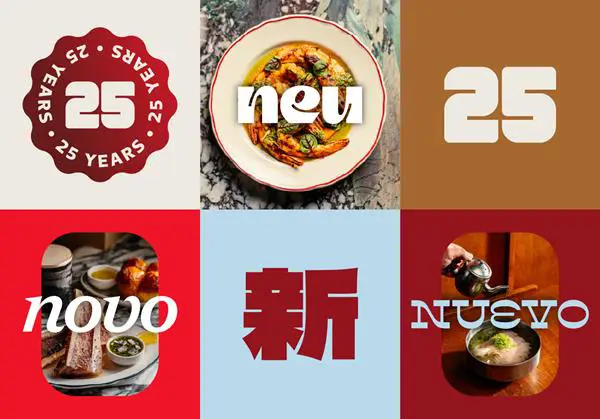
The 2026 edition marks the 25th anniversary of Air Canada’s Best New Restaurants program. To recognize that history, the program is also introducing an Icons hall of fame honoring chefs who first gained national attention through previous editions. Its inaugural members will be revealed with the Top 10 in November.
Until then, travelers can explore the complete 2026 finalist guide and use the longlist as inspiration for future culinary trips.
The biggest lesson from this year’s selections is that memorable Canadian dining is no longer confined to the country’s largest downtowns. A mountain town, wine region or small Quebec community may now provide as persuasive a reason to travel as any reservation in Toronto, Montreal or Vancouver.