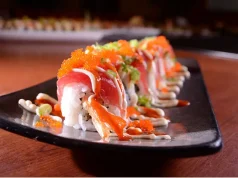


You return from a trip remembering one dinner with unusual clarity. Perhaps it was a piece of fish with lemon and herbs, vegetables with a smoky edge, or a simple plate made distinctive by its sauce. At home, you want something of that meal without attempting a restaurant-length preparation after work.
The useful starting point is the part you remember most. Build a manageable dinner around that element, and be clear about what you have changed. A travel-inspired adaptation can preserve a connection to a place while fitting your ingredients, equipment, and available evening.
Find the detail that made the meal memorable
Write a brief description before searching for a recipe. Include the main ingredient, texture, seasoning, sauce, and anything served alongside it. A photograph helps with presentation, but it may not explain how the food was cooked.
Ask which detail you would miss most. Was it a tangy dressing, browned edges, fresh herbs, or the contrast between a warm main and a cold side? That answer gives the home version a focus.
If you know the dish’s name, look for recipes from cooks familiar with its region. Read enough context to understand the main technique and ingredients. A dish cooked over coals, slowly braised, or prepared in a particular vessel may rely on that process for much of its character.
Keep your description accurate. Replacing a defining technique can produce an enjoyable dinner, but it may no longer justify calling the result a faithful version of the original. “Inspired by” is often a helpful description when the changes are substantial.
You might remember a coastal meal of fish, vegetables, herbs, and citrus. The useful goal for Wednesday could be a familiar fish recipe with a lively herb dressing, served beside vegetables. That is a more workable plan than reproducing every element of a meal whose ingredients you cannot identify.
Choose a recipe that fits your evening
Start with an established recipe appropriate to the ingredients and cooking method you intend to use. Then decide which travel-inspired elements can be incorporated without disrupting its basic requirements.
Sauces and accompaniments can provide a connection without requiring major changes to cooking. A suitable herb mixture or citrus finish may evoke the meal while the main follows a reliable preparation method. Check quantities and ingredient compatibility rather than adding everything you remember at once.
Choose a reasonable portion size. COSORI air fryers are one option for a small main or side when the food and recipe suit basket cooking. Consider thickness and usable surface area, not just the capacity printed in the product name.
For a dish that needs a flat tray or compatible baking vessel, an air fryer oven combo provides a different format. Check the particular model’s cooking space and instructions. A larger-looking exterior does not confirm that a specific pan fits inside.
Decide between methods based on the dish. You do not need to use several appliances to make the meal feel complete. A cold side, bread, or a simple grain can accompany the hot component with much less coordination.
Do not treat the appliance as a substitute for a distinct regional technique. Circulating hot air can brown food, but it cannot reproduce every effect of charcoal, wood smoke, or long cooking in a covered vessel.
Make the ingredients available and the steps clear
Create a short shopping list with two categories: ingredients important to the remembered flavor, and ingredients you can substitute more freely.
If fresh herbs are central, prioritize them. If the original side used a vegetable unavailable locally, choose an alternative supported by the recipe or adapt the side separately. Account for changes in water content, thickness, and cooking time.
Keep a note of the substitutions. It prevents you from judging the result against a method you did not actually follow, and it helps if you want to repeat the meal.
Before cooking, prepare the sauce or cold accompaniment and refrigerate it as needed. Wash and cut vegetables, measure seasonings, and set out serving dishes. Handle raw animal foods separately from ready-to-eat components and clean the work area appropriately.
Work backward from serving. Begin the longest cooking element first, then complete the quick finishing steps near the end. Check each component according to its recipe, including the safe internal temperature where required.
A weeknight adaptation should have an exit point. If the main and side are ready, you can serve without adding another garnish or last-minute dish. Extra details are worthwhile only when they improve the meal without leaving everything else waiting.
Taste the result as dinner, then refine it
At the table, notice what works in the home version. Is the sauce too sharp for the ingredient you chose? Does the side add a useful contrast? Would a smaller portion allow better spacing during cooking?
Write down one change for next time. Adjusting the sauce or choosing a better-suited vegetable is more informative than changing every ingredient and the entire cooking method together.
You can also return to the dish’s background. Look up the regional variation you encountered, learn more about its ingredients, or try a more traditional method on a weekend. A practical adaptation can be the beginning of that interest.
The travel memory provides a direction, and your kitchen supplies the conditions. With a clear flavor focus and a manageable recipe, the result can become a dinner you make again because you enjoy it, as well as because you remember where the idea began.