

Specialist tour operator Journeyscape, in partnership with Destination Canada, has unveiled its definitive ranking of the most inspiring Canadian national parks to explore in 2026. The list compares parks using data on wildlife diversity, Instagram popularity, visitor reviews, accessibility, and park size – helping visitors to plan for unforgettable adventures.
Canada’s Top National Parks for 2026
1. Gulf Islands National Park Reserve, British Columbia
A shimmering scatter of more than 30 islands and islets between Vancouver Island and the BC mainland, Gulf Islands National Park Reserve is a coastal sanctuary where nature and tranquillity reign. Visitors can glide through emerald waters by kayak, sharing the shoreline with playful river otters, seals, and soaring bald eagles. On land, gentle forest trails weave past Garry oak meadows — one of Canada’s rarest ecosystems — while beaches, tidal pools, and quiet coves invite slow exploration. For those seeking a challenge, the climb up Mount Norman rewards hikers with sweeping 360-degree views over the Salish Sea, dotted with sailboats and rugged shorelines. Its mix of marine beauty, diverse wildlife, and accessible adventure is why it tops the 2026 list.
2. Cape Breton Highlands National Park, Nova Scotia
Where dramatic ocean cliffs meet the rolling highlands of northern Nova Scotia, Cape Breton Highlands is famed for the Cabot Trail — one of the world’s most celebrated coastal drives. This is a park that stuns in every season, but autumn is particularly spectacular as fiery red hardwoods collide with cobalt sea views. Hikers flock to the Skyline Trail for its iconic boardwalk overlooking the Gulf of St. Lawrence, where whales occasionally breach offshore and bald eagles circle overhead. Inland, the park’s Acadian, boreal, and taiga forests create a rich mosaic of habitats supporting moose, black bears, and countless bird species. With its perfect blend of cultural charm and coast-to-summit scenery, it shares the top spot in 2026.
3. Kluane National Park and Reserve, Yukon
A land of giants, Kluane National Park protects the largest non-polar ice fields on Earth and is home to Canada’s tallest mountain, 5,959-metre Mount Logan. Much of the terrain is remote and rugged, offering an unmatched sense of scale and wilderness. Backpackers and mountaineers come for high-adrenaline adventures, while sightseers can board flightseeing tours that swoop over crevassed glaciers and endless snowfields. Wildlife lovers may catch glimpses of Dall sheep, grizzlies, or even rare inland wolves roaming vast valleys below. Designated a UNESCO World Heritage Site, Kluane is the kind of place that redefines the meaning of “wild.”
4. Pukaskwa National Park, Ontario
For solitude seekers, Pukaskwa is as close to perfect as it gets. Tucked along Lake Superior’s untamed northern shore, the park welcomes fewer than 18,000 visitors per year — a tiny number for a landscape this spectacular. The 60-kilometre Coastal Hiking Trail is its crown jewel, guiding trekkers through windswept granite headlands, Boreal forest, hidden beaches, and dramatic suspension bridges that sway above churning rivers. Backcountry campsites offer stargazing free of light pollution, and the park’s sweeping coastal views can feel like looking out over an inland ocean. Remote, rugged, and deeply peaceful, Pukaskwa embodies northern wilderness at its finest.
5. Mingan Archipelago National Park Reserve, Québec
Off the coast of Québec’s Côte-Nord, the Mingan Archipelago is a dreamscape of sculpted limestone monoliths, secluded islands, and windswept wildflowers. Its geological formations — carved over millennia by wind, waves, and frost — create some of the most striking coastal scenery in Canada. Visitors can island-hop by boat, kayak alongside puffins and seals, or hike across tundra-like landscapes dotted with rare arctic-alpine plants. The marine environment is just as rich, offering opportunities to see whales and dolphins in the surrounding Gulf of St. Lawrence. It’s an enchanting blend of geology, biodiversity, and maritime culture.
6. Kejimkujik National Park, Nova Scotia
Known locally as “Keji,” this national park is a harmonious blend of waterways, old-growth forest, and deep Mi’kmaq cultural history. Canoe routes follow ancient portage trails used for thousands of years, offering visitors a unique way to engage with the region’s Indigenous heritage. Petroglyphs carved into shoreline rocks provide a rare window into the stories and symbolism of the Mi’kmaq people. Modern-day explorers will find peaceful lakes, moss-covered forests, and wildlife like barred owls, beavers, and white-tailed deer. Whether paddling, hiking, or camping under star-filled skies, Kejimkujik is all about connection — to nature, to culture, and to quiet moments of reflection.
7. Georgian Bay Islands National Park, Ontario
Though small in size, Georgian Bay Islands punches far above its weight in biodiversity, boasting more than 1,000 plant and animal species per 10 km². Located in the world’s largest freshwater archipelago, the park is an accessible escape dominated by pink granite shorelines, windswept pines, and striking blue waters. Beausoleil Island — the largest and most visited — offers a network of hiking and biking trails, sandy beaches, and excellent swimming spots. The landscape transitions from rugged Canadian Shield terrain in the north to lush deciduous forest in the south, giving it an impressive ecological range for such a compact park.
8. La Mauricie National Park, Québec
Nestled between Montréal and Québec City, La Mauricie is a serene landscape of rolling hills, quiet lakes, and tranquil forest pathways. Beloved for paddling adventures, the park includes over 150 lakes, many accessible only by canoe — a perfect recipe for a classic Canadian backcountry experience. Hiking trails reveal panoramic lookouts, waterfalls, and lush woodland scenery that shifts dramatically with the seasons. In autumn, the hills erupt in colour; in winter, the park transforms into a playground for snowshoeing and cross-country skiing. Peaceful yet easily reachable, La Mauricie offers a restorative escape into Québec’s natural beauty.
9. Thousand Islands National Park, Ontario
Stretching along the St. Lawrence River near the U.S. border, Thousand Islands National Park offers a postcard-perfect mix of emerald islets, sparkling waterways, and charming cottage-country scenery. Visitors can explore by kayak, powerboat, or guided cruise, weaving through channels lined with granite outcrops and windswept pines. The area teems with wildlife — including herons, turtles, mink, and rare species like the black rat snake — thanks to its unique blend of southern and northern ecosystems. With waterfront campsites, hiking routes, and idyllic picnic spots, the park is ideal for family adventures or lazy summer days on the water.
10. Pacific Rim National Park Reserve, British Columbia
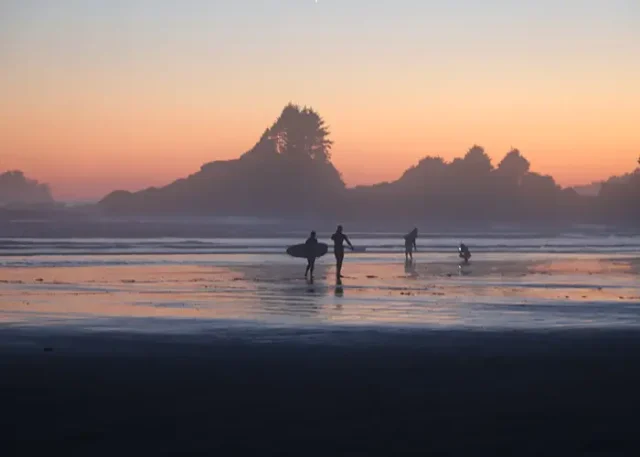
Situated along Vancouver Island’s wild west coast, Pacific Rim is where dense rainforest meets the raw power of the Pacific Ocean. The park is divided into three distinct areas — Long Beach, the Broken Group Islands, and the West Coast Trail — each offering a different kind of adventure. Surfers ride world-class waves on Long Beach, kayakers explore sheltered coves in the Broken Group, and backpackers test their limits on the challenging West Coast Trail. Towering cedars, thick moss carpets, and dramatic storm-season swells make this one of Canada’s most awe-inspiring natural regions.
11. Grasslands National Park, Saskatchewan
A stark yet stunning contrast to Canada’s mountain and coastal parks, Grasslands protects one of the last remaining pockets of untouched prairie in North America. Its sweeping golden fields, eroded badlands, and endless skies create a landscape that feels both ancient and cinematic. Visitors can spot bison herds, black-tailed prairie dogs, burrowing owls, and — with luck — the elusive swift fox. Grasslands is also one of Canada’s premier Dark Sky Preserves, offering some of the clearest, most breathtaking stargazing in the country. On summer nights, the Milky Way stretches brightly across the sky, making this park a favourite among photographers and dreamers alike.