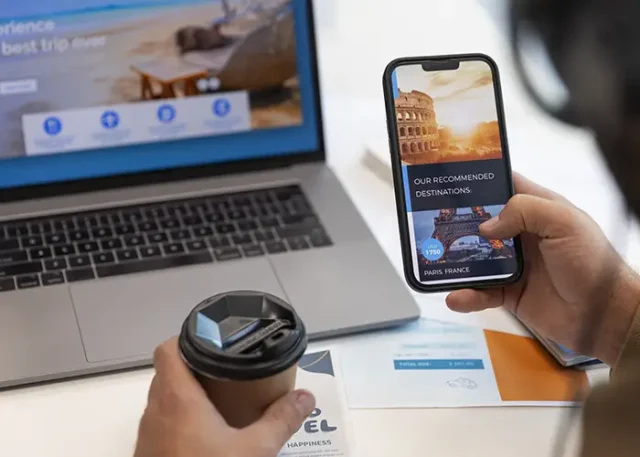
Digital trends have completely changed the way people travel. From booking flights to the experiences we enjoy once we arrive, technology now plays a key role in shaping every part of the journey. With the rise of digital tools, planning, booking, and enjoying our travels have become easier and faster.
Travellers today expect more than just a flight and a hotel. They want constant connectivity, personalised services, and instant access to information. New trends make this possible by allowing travellers to interact with services in real time, offering a smoother and more responsive experience.
The Shift to Always-On Connectivity
Always-on connectivity is no longer a luxury; it is a necessity. It allows travellers to stay online wherever they are, whether to check in with friends, track flights, or make last-minute changes to plans. This constant connection enhances the travel experience, providing instant access to information and services and giving a sense of control and independence.
Smartphones, wearables, and other devices are the key enablers of always-on connectivity. They give travellers instant access to everything from booking details to restaurant reviews and even web slots for on-the-go entertainment. With these tools, it is easy to make changes on the go, such as switching hotels or finding a new activity. This growing need for constant connectivity is driving the demand for digital solutions in travel.
Rise of On-Demand Services
The demand for on-demand services is reshaping the travel industry. Gone are the days of sticking to rigid, pre-planned itineraries. Today’s travellers want the flexibility to book a ride, secure a hotel, or make adjustments on the fly, all to create a more convenient and stress-free travel experience.
Services like Uber and Airbnb have redefined convenience for travellers. With just a few taps, travellers can organise everything from transportation to lodging without worrying about fixed schedules. This flexibility is ideal for those seeking a personalised and stress-free experience.
On-demand services extend beyond rides and rooms. Travellers can book flights or find local tour guides instantly, reducing the need for extensive planning. With food delivery services from popular local restaurants, meals can even be brought directly to hotels, making stays more comfortable.
The Impact of Online Slots and Interactive Online Engagement
Online slots are changing the way travellers engage with services. Integrated into travel websites and apps, these platforms allow real-time interactions for booking, checking flight statuses, and more. Unlike traditional browsing, they let travellers participate actively, making the process more interactive.
Travellers can choose activities, manage bookings, and receive instant updates. This shift from passive browsing to active engagement makes the experience feel more personalised and controlled.
These platforms also collect valuable user data, allowing travel companies to understand preferences and behaviour in real time. By analysing this information, companies can tailor promotions, suggest relevant activities, and provide customised experiences that match each traveller’s interests. This level of interactivity not only makes the booking process more engaging but also helps build loyalty and trust, encouraging travellers to return to platforms that anticipate their needs.
The Integration of Artificial Intelligence and Automation
Artificial intelligence (AI) and automation are playing an increasingly significant role in the travel industry. Chatbots provide 24/7 customer service, while automated booking systems help travellers secure what they need instantly. AI also recommends activities, hotels, and flights based on past preferences, making the experience more personalised.
AI enables travel companies to anticipate traveller needs and provide customised suggestions in real-time. Automated systems, such as flight check-ins or luggage tracking, streamline journeys by completing tasks more efficiently. As AI improves over time, it continues to enhance the travel experience by understanding traveller preferences and supporting always-on, on-demand services.
The Growth of Virtual and Augmented Reality in Travel
Virtual reality (VR) and augmented reality (AR) are becoming increasingly integral to the travel experience. VR enables potential travellers to explore destinations before booking, giving a clear idea of what to expect. AR enhances real-time experiences by providing directions, hotel reviews, and information about nearby attractions while on the move.
As these technologies continue to expand, they will become increasingly embedded in the travel industry. VR previews trips before booking, while AR provides valuable guidance throughout the journey. Other immersive tools, such as 360-degree videos and virtual tours, further enrich the travel experience, creating personalised and engaging journeys.
Final Thoughts
The rise of always-on, connected services is transforming the travel industry. With tools like web slots, artificial intelligence, and immersive technologies, travellers now have greater control over their experiences. As these trends continue to evolve, the future of travel will be defined by seamless, on-demand services that offer convenience and flexibility at every stage of the journey.