Food tells the story of a place better than any museum plaque ever could. It is the quickest route to understanding local culture, bypassing language barriers through the universal appreciation of a good meal. Authentic travel isn’t about white tablecloths or reserved seating; it is about risking a stain on a favourite shirt for a taste of something real.
From the steam of a roadside stall to the clatter of a busy tavern, the best memories are edible. This guide explores five destinations where the local cuisine demands immediate attention, offering a roadmap for hungry travellers seeking genuine flavour over polished tourist traps.
The United Kingdom
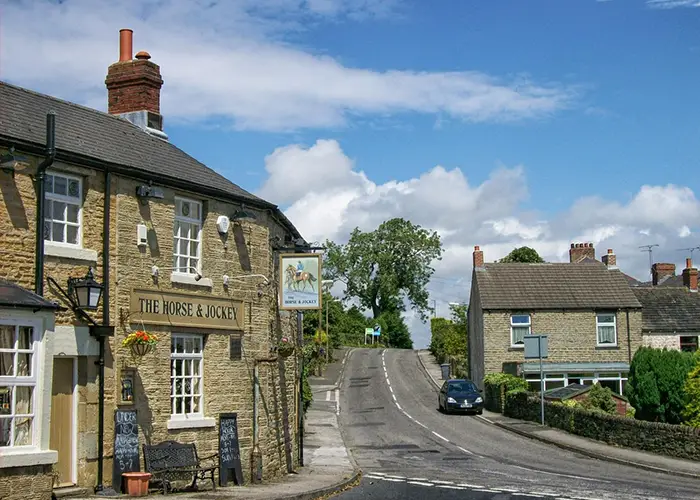
British food often gets a bad rap, but that reputation is decades out of date. The real culinary heartbeat of the UK isn’t found in the high-end restaurants of London, but in the historic pubs scattered across the countryside. These aren’t just drinking holes anymore. The “gastropub” revolution turned these spaces into serious kitchens serving local game, fresh seafood, and the kind of pies that stick to the ribs. Sunday roasts are a religion here, involving massive Yorkshire puddings and gravy thick enough to stand a spoon in. It’s hearty, unpretentious, and exactly what the weather demands.
For anyone driving through regions like the Cotswolds or the Yorkshire Dales, the logistics of travel get surprisingly simple. Many village inns have revived the old coaching tradition, meaning finding dinner, bed and breakfast deals is often just a matter of finding a spot you like the look of. Travellers can enjoy a slow pint of ale by a fireplace, eat a heavy meal of sausages and mash, and then simply head upstairs to sleep it off. It beats a sterile hotel chain any day of the week.
Vietnam
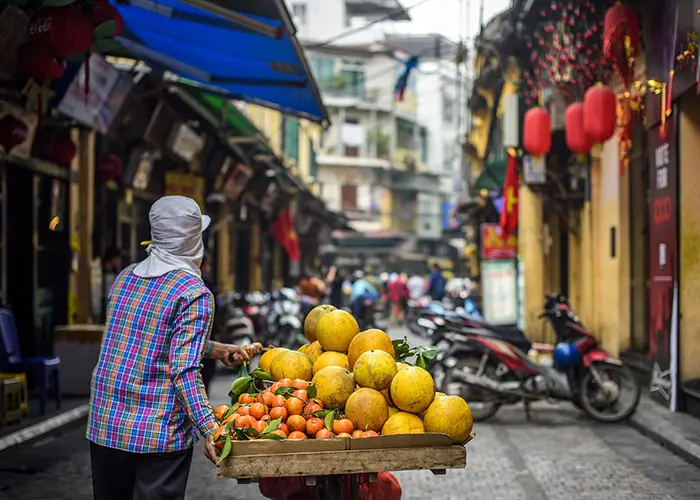
Hanoi operates at a frenetic pace, and its food scene is just as loud. Eating here means pulling up a tiny plastic stool on a crowded sidewalk while motorbikes buzz past inches away. The air smells like cilantro, exhaust fumes, and grilling pork. It’s chaotic, but the food brings a sudden, welcome focus. Pho is the famous export, but the northern speciality of Bun Cha is the real star for lunch. Cold rice noodles, fresh herbs, and fatty grilled pork sit in a sweet and sour dipping sauce that cuts right through the humidity.
Coffee culture in Vietnam is also its own beast. It’s not about grabbing a quick paper cup on the way to work. In the narrow cafes of the Old Quarter, coffee is a dessert. Egg coffee, a mix of robusta and whipped egg yolk, tastes more like tiramisu than a morning brew. Visitors will find people sitting for hours, watching the street life unfold. It’s cheap, intense, and completely addictive.
Mexico
Oaxaca City is often called the pantry of Mexico, and it doesn’t take long to see why. The markets here are sensory overload in the best possible way. Smoke drifts from the pasillo de humo (smoke hall) where vendors sell sheets of salted beef and strings of chorizo by weight. But the main event is mole. This isn’t just a sauce; it’s a labour-intensive heritage dish with dozens of ingredients, including chocolate, chillies, and spices. It’s dark, complex, and savoury, usually ladled over chicken or turkey.
Street snacks in Oaxaca challenge the squeamish but reward the brave. Chapulines, toasted grasshoppers seasoned with chilli and lime, are everywhere. They provide a crunchy, salty kick that goes perfectly with a shot of mezcal. This spirit is the region’s lifeblood, smoky and rough, served with orange slices and worm salt. Drinking it is practically mandatory. It warms the chest and clears the palate for the next round of tacos.
Italy
Forget Rome for a second. Bologna is the capital of Italian food, known locally as La Grassa or “The Fat One.” Located in the Emilia-Romagna region, this city is the birthplace of the ingredients the rest of the world thinks of as “Italian.” Parmesan cheese, balsamic vinegar, and prosciutto all come from this area. The locals take pasta seriously. There is no Spaghetti Bolognese here; there is only Tagliatelle al Ragù. The flat ribbons of egg pasta hold the meat sauce perfectly, and asking for spaghetti with it is a good way to annoy the waiter.
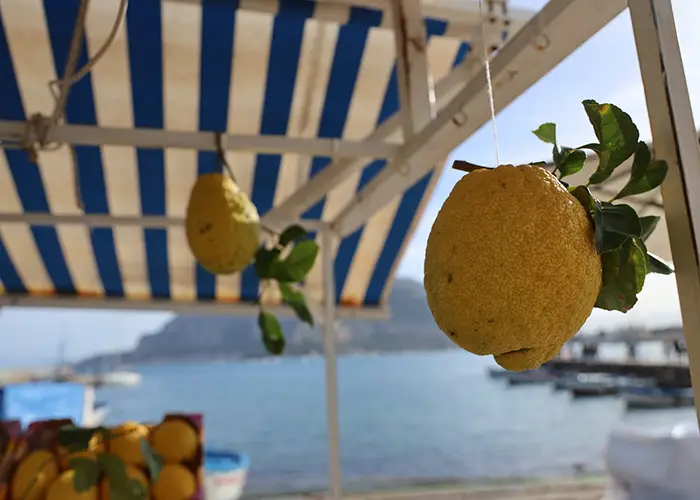
If Bologna is the beating heart of Italian cuisine, Sicily is where the flavours get bright, bold, and a little wild. Think arancini stuffed with gooey cheese, fresh seafood straight off the coast, and cannoli so crisp you hear them before you taste them. Markets brim with sun-ripened citrus, olives, and local cheeses, each bite a direct line to the island’s history. Staying in charming holiday rentals in Sicily gives you the freedom to cook with local ingredients, wander street food stalls, and enjoy meals at your own pace.
Japan
Tokyo gets the Michelin stars, but Osaka is where Japan goes to eat. The locals have a word for it: kuidaore, which roughly translates to “eat until you drop.” The atmosphere in the Dotonbori district is electric, filled with neon signs and giant mechanical crabs moving their legs above restaurant entrances. It’s not subtle. The food matches the vibe: fast, hot, and delicious. Takoyaki, battered octopus balls covered in savoury sauce and bonito flakes, are the standard walking snack. They are molten hot inside, and burning the roof of your mouth is just part of the experience.
Another staple is Okonomiyaki, a savoury pancake packed with cabbage and whatever meat or seafood is on hand. In Osaka, the chefs cook it on a griddle right in front of the customer, flipping it with metal spatulas. It’s messy comfort food, slathered in mayonnaise and brown sauce. There’s no pretence here. People stand in line for thirty minutes for a few dumplings, because they are just that good.
Why Do We Travel If Not to Eat?
The world is vast, but the shared love of a hot meal makes it feel a little smaller. These five spots offer more than just calories; they provide a direct line to the history and heart of their people. Exploring them requires an open mind and an empty stomach. Whether it is a spicy broth in Asia or a hearty roast in Europe, the reward is always worth the journey. There is no better souvenir than a lingering taste and a story to tell. So, pack a bag, bring an appetite, and let the food lead the way there.