A train ride north from Tokyo opens up a Japan of forested mountains, hot spring villages, and bays scattered with pine-covered islands. In Tohoku, a day might begin with a climb to a hillside temple and end at a traditional inn, with a regional meal and a long soak between the two.
Covering the northeastern part of Honshu, Tohoku comprises six prefectures: Aomori, Akita, Iwate, Yamagata, Miyagi, and Fukushima. It is a rewarding destination for travelers who want to build a Japan itinerary around landscapes and local culture. The trick is choosing a manageable route: this is a substantial region, and its most interesting places deserve more than a quick stop.
Start with Sendai and Matsushima Bay
Sendai makes a practical introduction to Tohoku, with fast shinkansen services reaching the city from Tokyo in roughly 90 minutes. Its connection to feudal lord Date Masamune gives sightseeing some historical context, while tree-lined streets and central shopping arcades make it easy to spend a day exploring on foot.
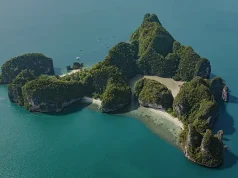
Use the city as a base for Matsushima, where small, pine-covered islands punctuate the bay. A sightseeing cruise gives a different perspective from the waterfront, while nearby Zuiganji and Entsuin temples add a cultural dimension to the day. Matsushima is accessible by local train from Sendai, making it one of the simplest excursions for visitors traveling without a car.
For an overnight change of pace, consider Akiu Onsen, a hot spring area outside Sendai. It pairs naturally with city sightseeing and a day on the coast.
Follow Forest Trails in Aomori
In Aomori Prefecture, Oirase Gorge is one of Tohoku’s most appealing places to walk. The stream flows from Lake Towada through a landscape of woodland, waterfalls, and moss-covered rocks. Its approximately nine-mile corridor allows for anything from a short outing to a much longer walk.
There is no need to cover the entire route to appreciate it. Choose a section that fits your available time, allowing room to stop at the water rather than treating the walk as a distance challenge. Summer brings dense greenery; autumn turns the gorge into a study in yellow, orange, and red.
Transport needs particular attention here. The usual JR bus access from Aomori and Hachinohe is seasonal, and JNTO notes that the service is suspended in winter. Check the current timetable and your return connection before setting out.
Visit Hiraizumi’s Buddhist Heritage
Hiraizumi, in Iwate Prefecture, offers a different kind of immersion. Its UNESCO-listed heritage reflects the prosperity of the northern Fujiwara rulers during the 12th century and their vision of a Buddhist Pure Land.
At Chusonji Temple, the Konjikido, or Golden Hall, is the defining sight, with intricate decoration and gold leaf. Make time for Motsuji’s garden as well, where the pond and surviving landscape design offer a quieter way to engage with that history.
The town is accessible by rail, with a local connection from the shinkansen station at Ichinoseki. It is a useful stop on a northbound itinerary, especially for travelers who want historic sites alongside mountain scenery.
Climb Yamadera and Stay in a Hot Spring Town
Yamagata combines some of Tohoku’s most memorable temple landscapes with its best-known hot spring settings. At Yamadera, also called Risshakuji, a climb of roughly 1,000 steps leads through wooded slopes to temple buildings and views across the valley. Give yourself time for the ascent, especially in warm weather or when the steps are slippery.
Elsewhere in the prefecture, Ginzan Onsen is known for wooden inns lining a compact riverside streetscape. Staying overnight gives the visit a purpose beyond taking photographs: dinner, bathing, and time at the inn become part of the experience.
Zao Onsen is another option, combining hot springs with skiing in winter and mountain outings in warmer months. Its celebrated “snow monsters” are trees coated in accumulated ice and snow, although their appearance depends on the weather.
For Ginzan, check the official tourism website before visiting. Winter access arrangements can change, and an older blog post is not a reliable guide to current transport or day-visitor rules.
Slow Down in Akita
Akita is well suited to a trip that combines history with time in nature. Kakunodate’s preserved samurai district offers a walk through historic streets and residences, with cherry blossoms adding another reason to visit in spring.
Pair it with Lake Tazawa and Nyuto Onsenkyo, a collection of hot spring inns in the mountains of Towada-Hachimantai National Park. Here, the accommodation can be a central part of the itinerary rather than simply a place to sleep.
When choosing an inn, check its bathing arrangements and meal options directly. A little planning helps you find a stay that suits your comfort level and travel style.
Explore the Aizu Area of Fukushima
Inland Fukushima adds castle-town history and traditional streetscapes to a Tohoku itinerary. Aizuwakamatsu is a base for exploring the region’s samurai heritage, including Tsurugajo Castle and the Aizu Samurai Mansion.
Nearby Ouchi-juku preserves the character of an old post town, with thatched buildings along its main street. It is a worthwhile addition for travelers interested in architecture and everyday life along Japan’s historic travel routes.
Allow for transfers when planning this part of the trip. Reaching a shinkansen hub does not mean every rural attraction is immediately accessible, and a regional day can involve local trains, buses, or a taxi.
Choose the Season, Then the Route
Spring brings cherry blossoms, often later than in Tokyo, with Hirosaki and Kakunodate among the region’s notable viewing spots. Summer is a season of major festivals, including Aomori Nebuta, Akita Kanto, and Sendai Tanabata. Autumn suits forest walks and foliage-focused journeys, while winter draws visitors for skiing, snowy landscapes, and hot spring stays.
Popular blossom sites, festivals, and small onsen towns can still be busy, so reserve accommodation early when traveling for a particular event. Check flowering forecasts, festival schedules, and mountain access close to your departure.
For a first visit, consider three or four nights around Sendai, Matsushima, and one inland destination. With a week or more, add a second cluster such as Hiraizumi and Aomori, or Kakunodate and Nyuto Onsen. These are suggested combinations rather than fixed itineraries; the right route depends on your season and preferred pace.
Use Travel to Tohoku for destination ideas and JR East for current rail information. Plan rural connections before booking overnight stays, and leave enough space in the schedule to enjoy the places you came north to see.