As travelers increasingly seek experiences that benefit both local communities and the natural environments they visit, a new generation of safari operators is redefining what responsible tourism can look like.
In Tanzania’s Serengeti, Enduata Camps has taken a significant step in that direction by joining The Long Run, the world’s largest nature-based tourism organization. The move comes just months after the opening of Wild Wakati Camp and signals the young safari company’s commitment to conservation, community engagement, cultural preservation, and long-term sustainability.
For travelers, the announcement highlights a growing trend in African safari tourism—one that places equal emphasis on protecting wilderness and supporting local people while still delivering extraordinary wildlife experiences.
A Wilderness-First Approach to Safari Travel
Founded by veteran Tanzanian guide Michael Shayo and hospitality specialist Matt Wilkey, Enduata Camps was created around a simple philosophy: preserving the wilderness should come before everything else.
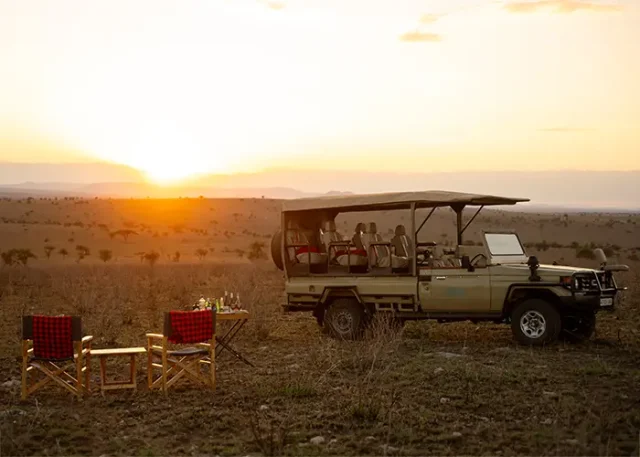
Their first property, Wild Wakati Camp, opened in January 2026 deep within the central Serengeti. Located approximately 15 kilometres from the nearest road, the camp offers uninterrupted views across vast plains that stretch for more than 60 kilometres in every direction. The location provides guests with an immersive safari experience far removed from the crowds often associated with more accessible wildlife areas.
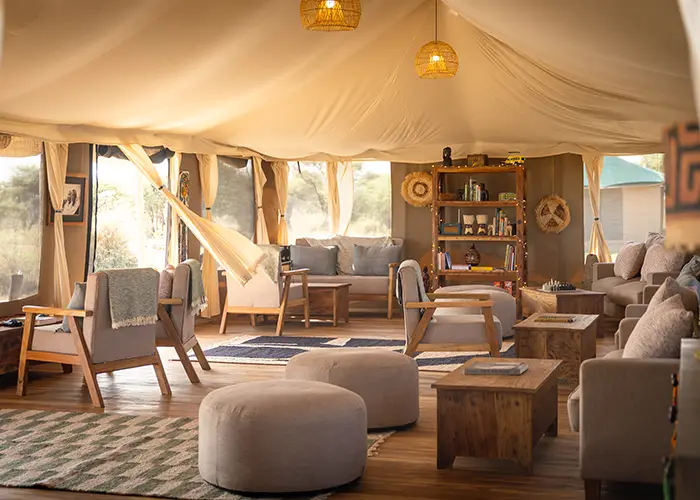
The camp’s design reflects its low-impact ethos. Rather than permanent structures, Wild Wakati consists of just ten handcrafted canvas tents, all built without concrete foundations. Should the camp ever be removed, the land can be returned to its natural state with minimal trace of human presence.
What Joining The Long Run Means
The Long Run is a global nonprofit community that promotes regenerative tourism through its “4Cs” framework: Conservation, Community, Culture, and Commerce. Members are encouraged to demonstrate measurable positive impacts across all four areas while maintaining financially sustainable businesses.
For Enduata Camps, joining the organization provides both a framework and accountability for its sustainability goals.
Rather than viewing conservation as a separate initiative, the company aims to integrate environmental stewardship into every aspect of the guest experience. The goal is not simply to minimize impact but to actively contribute to ecological restoration and community wellbeing.
This approach reflects a broader shift within luxury travel, where travelers increasingly expect tourism operators to demonstrate meaningful environmental and social commitments.
Protecting the Serengeti
The Serengeti remains one of the world’s most extraordinary wildlife ecosystems, home to the Great Migration and countless species that depend on the region’s delicate ecological balance.
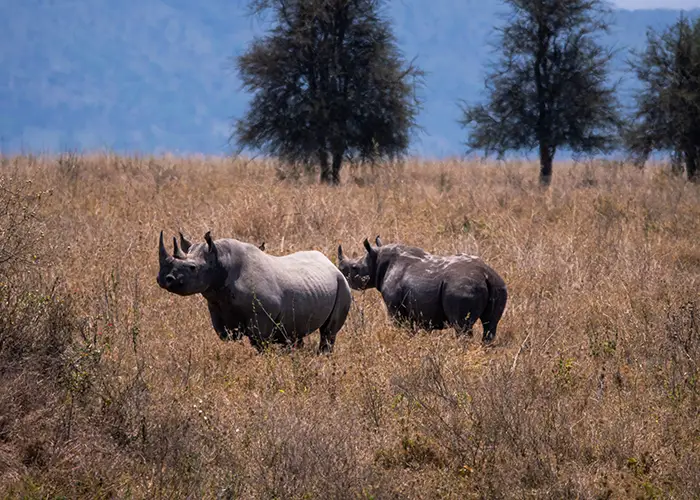
As part of its conservation efforts, Enduata Camps supports anti-poaching initiatives, participates in habitat restoration projects, and collaborates with established conservation organizations working throughout the region. Guests can also participate in exclusive black rhino viewing experiences near the Moru Kopjes area, where tourism contributes directly to regulated conservation programs managed in partnership with the Frankfurt Zoological Society and Tanzania National Parks Authority.
By linking wildlife experiences directly to conservation outcomes, the company aims to demonstrate how tourism can play a positive role in protecting endangered species and sensitive ecosystems.
Investing in Local Communities
Community involvement is another cornerstone of the Enduata philosophy.
The company has prioritized local hiring and skills development, with a significant portion of staff recruited from individuals who have previously faced barriers to employment within the tourism sector. Training programs focus on professional development and leadership opportunities designed to create long-term career pathways.
The camp is also developing agricultural initiatives that will provide fresh produce, create jobs, and support nearby schools and community projects.
Perhaps most importantly, the economic benefits generated by tourism remain closely tied to the surrounding region. From camp construction to furnishings and ongoing operations, local artisans and businesses play a central role in the property’s success.
Celebrating Maasai Heritage
One of the most distinctive aspects of a safari in Tanzania is the opportunity to learn about the cultures that have coexisted alongside wildlife for generations.
At Wild Wakati Camp, cultural experiences are designed around authentic partnerships rather than staged performances. The camp works closely with local Maasai communities, and guests have opportunities to engage with cultural traditions through meaningful interactions and storytelling.
Many of the camp’s details—from handcrafted textiles and furnishings to traditional beadwork—reflect local craftsmanship and celebrate the region’s cultural heritage.
This emphasis on authenticity helps create experiences that are respectful, educational, and beneficial to the communities involved.
A Different Kind of Luxury Safari
Luxury safari travel has evolved significantly over the past decade. Today’s travelers increasingly seek meaningful experiences, environmental responsibility, and genuine connections to destination and culture.
Wild Wakati Camp reflects this evolution. Rather than focusing solely on lavish accommodations, the camp emphasizes immersive wildlife encounters, personalized guiding, cultural authenticity, and a minimal environmental footprint.
The result is a safari experience that feels deeply connected to the landscape itself.
The Future of Regenerative Tourism
The tourism industry has spent years discussing sustainability. Increasingly, however, the conversation is shifting toward regeneration—the idea that travel should leave destinations better than they were found.
By joining The Long Run at such an early stage in its development, Enduata Camps is positioning itself within that movement. Its commitment to conservation, community partnerships, cultural preservation, and responsible business practices demonstrates how safari tourism can contribute positively to the places and people that make these experiences possible.
For travelers planning a future African safari, the emergence of operators like Enduata Camps offers an encouraging glimpse into the future of wildlife tourism—one where extraordinary adventures and meaningful impact go hand in hand across some of the planet’s most remarkable landscapes.