Falling asleep quickly often feels like a distant dream after a long day of work and chores. Many people spend hours tossing and turning without finding a comfortable position in their bed.
Creating a sanctuary for rest involves more than just buying a soft mattress for the room. Small changes to the environment make a massive difference in how deeply someone rests throughout the night.
The Role Of Specialized Gear
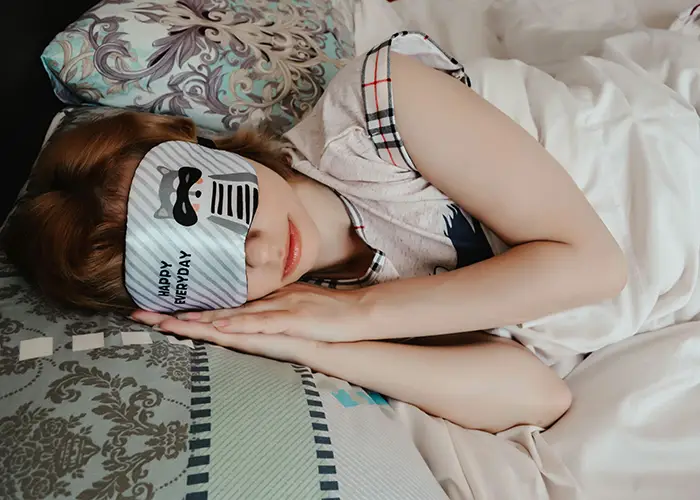
Quality rest requires a dark and quiet space to allow the body to recover properly. Investing in sleep support accessories, such as sleep masks and accessories, helps block out distractions that prevent deep rest. High-quality materials feel soft against the skin and stay in place all night long.
Choosing the right items can transform a bedroom into a recovery zone. Most people do not realize how much light or noise affects their brain during the evening hours. Removing these obstacles is the first step toward a better morning.
Using specialized gear provides a physical signal to the mind that the day is over. Consistency helps the body enter a relaxed state much faster than usual. Finding the right tools is a simple way to improve daily health.
Selecting The Best Head Support
Proper neck alignment prevents aches when waking up after a long night. A popular blog on restful tools suggested that memory foam or latex pillows are excellent choices since they contour to your shape and relieve pressure points. Support for the head and neck prevents strain that causes midnight tossing.
Finding the right density makes a huge difference for people who sleep on their sides. Some prefer a firm surface while others need something much softer to feel at ease. Testing different materials helps identify what works best for a specific body type.
Pillows made from breathable fabrics also help keep the face cool during the night. Heat often builds up around the head and causes discomfort that leads to waking up. Switching to a specialized pillow offers a low-cost way to improve comfort.
Leveraging Sound Technology
Unwanted noises from the street or neighbors can ruin a night before it even begins. Data shared by a major business publication showed that white noise decreased the amount of time it took from turning out the lights to hitting stage-two REM sleep by 38%. Constant sounds mask sudden disruptions that might otherwise startle a sleeper.
This consistent audio backdrop helps the brain ignore the barking of a neighbor’s dog or the hum of traffic. Digital machines offer various tones ranging from heavy rain sounds to steady static. Many users find that a low-frequency hum works best for deep relaxation.
Using sound technology creates a predictable environment, no matter where someone is sleeping. Small portable devices make it easy to maintain a routine even while traveling. Blocking out the world with sound is a powerful tactic for light sleepers.
Optimizing Light Exposure
Biological clocks react strongly to the presence of light in the sleeping area. Information from a leading health organization mentions that sunset and sunrise displays mimic natural light patterns to help you sleep better and wake up refreshed. Gentle transitions prepare the brain for rest or activity by adjusting hormone levels.
Using a gradual brightening effect prevents the stress of a sudden loud alarm in the morning. The body wakes up more naturally when light levels increase slowly over 30 minutes. This method mimics the experience of waking up with the sun in a natural setting.
Lamps that fade to a warm orange glow in the evening help the mind wind down. Blue light from standard bulbs can trick the brain into thinking it is still daytime. Swapping out bright lights for these specialized displays supports a healthy circadian rhythm.
Blocking External Visual Stimuli
Light leaking through curtains can interrupt the production of melatonin during the night. Total darkness tells the brain that it is time to shut down for the day. Items like thick window coverings or soft eye covers create a cave-like atmosphere that promotes deep rest.
Creating a completely dark room is often difficult in urban areas with bright streetlights. Portable solutions allow for a dark environment even when staying in a hotel or a new house. These tools are simple to use and provide immediate results for the user.
- Travel-size eye covers
- Blackout window liners
- Velcro strap masks
- Suction cup window shades
Adding Weight For Relaxation
Feeling secure helps lower heart rates before drifting off into a deep slumber. Heavy blankets apply gentle pressure across the body to simulate the feeling of a hug. This sensation encourages the release of calming hormones during the evening hours.
Most people prefer a blanket that weighs about 10% of their total body mass for the best effect. The weight should be distributed evenly to avoid putting too much pressure on one area. Many users report feeling less anxious when they use a weighted layer.
Choosing a blanket with cooling fabric prevents the extra weight from becoming too hot. Some versions use glass beads or heavy fibers to provide the necessary mass. Adding weight is a non-medicinal way to calm a restless nervous system.

Managing Blue Light Sources
Screens emit a specific type of light that keeps the mind alert and awake. Wearable lenses can filter out these wavelengths when using tablets or phones late at night. Protection for the eyes reduces strain and prevents the disruption of the sleep cycle.
- Clear filter lenses
- Amber-tinted glasses
- Clip-on screen filters
- Red light bulbs
Using these filters for at least 2 hours before bed helps the brain prepare for rest. Even small amounts of blue light from a smartphone can delay the onset of sleep. Protecting the eyes is a smart habit for anyone who uses technology in the evening.
Many people find that their eyes feel less tired after a long day of screen use. Reducing glare and harsh light improves overall comfort during the late hours. Lenses are a simple tool for the modern digital world.
Using Calming Scents
Smells have the power to trigger relaxation responses in the human nervous system. Lavender and cedarwood are common choices for room sprays or electronic diffusers. Scenting the pillowcase creates a consistent signal that the day has finally ended.
Natural oils provide a subtle way to calm a busy mind without using loud sounds or bright lights. Small amounts of oil on the wrists or temples can also help a person relax. Finding a favorite scent makes the bedroom feel like a more inviting space.
Aromatherapy is a tradition that many cultures use to improve wellness and rest. Combining scent with other tools creates a multi-sensory environment for recovery. Using the same smell every night builds a strong habit for the brain.
Building a better routine takes patience and a bit of trial and error. Each person has unique needs when it comes to finding their perfect setup for the night.
Focus on small upgrades that address specific problems like light or noise. Consistent habits lead to more energy and better focus throughout the following day.