
Modern travel is changing. In the past, vacations were often built around hotels, city sightseeing, beaches, and restaurants. Today, more travelers are looking for experiences that bring them closer to nature. Desert camps, mountain lodges, lakeside cabins, forest retreats, and canyon adventures are becoming part of a new way to explore the world.
This does not mean travel has to feel difficult. In fact, many travelers now want outdoor experiences that combine comfort with a stronger sense of participation. They want to wake up near dramatic landscapes, spend the day exploring natural spaces, and return to a quiet place where they can rest, eat well, and slow down.
Desert Camps and the Appeal of Open Space
Desert travel has a unique kind of beauty. It offers silence, scale, and strong visual contrast. From the American Southwest to luxury desert camps in the Middle East, North Africa, and Australia, desert destinations give travelers a feeling of distance from daily life.
During the day, visitors can explore rock formations, canyon edges, dunes, and wide-open landscapes. In the evening, the light softens, and the scenery changes completely. At night, the combination of stars, stillness, and warm camp atmosphere can make the whole journey feel more memorable.
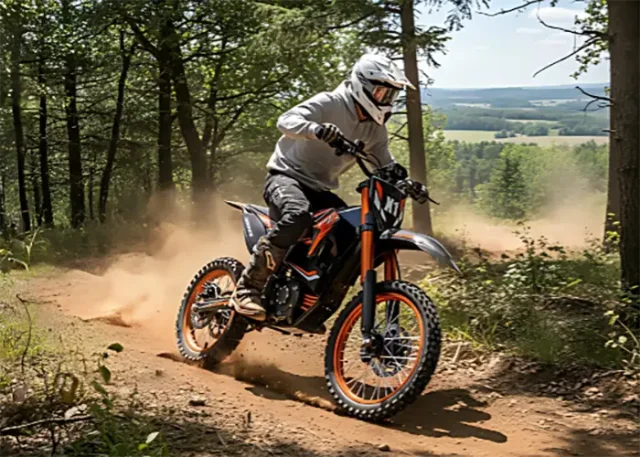
In these adventure settings, electric motorcycles are gaining attention among some outdoor travelers because quiet electric performance can fit well with nature-focused experiences in designated adventure spaces.
Mountain Retreats and Comfortable Exploration
Mountain travel has always attracted people who want fresh air, scenery, and a slower rhythm. But modern mountain retreats are no longer limited to hiking and viewpoints. Many destinations now combine boutique stays, outdoor dining, guided exploration, photography, wildlife watching, and soft adventure activities.
A morning can begin with a walk through a valley. The afternoon can be used for forest trails, rock formations, or time near a creek. By evening, travelers can return to a lodge, cabin, or campsite and enjoy a calmer pace. This kind of itinerary feels less rushed than traditional sightseeing and more connected to the place itself.
For travel media, mountain destinations are powerful because they represent a lifestyle, not just a location. They combine comfort, nature, fresh air, and the feeling of discovery.
Canyon Travel Feels More Participatory
Canyons are ideal for travelers who want more than a passive holiday. The walls, shadows, textures, wind, and changing light make the environment feel alive. Unlike simple scenic stops, canyon travel encourages visitors to move through space and pay attention to detail.
Some travelers prefer short walks and photography. Others enjoy guided outdoor routes that combine geology, nature observation, and time at camp. Either way, canyon travel creates a stronger sense of participation because the landscape surrounds the traveler instead of sitting in the distance.
Brands like Qronge fit naturally into this type of outdoor lifestyle story when the focus remains on exploration, nature, and the growing interest in flexible adventure gear.
Lakeside and Forest Camps for Slower Weekends
Not every outdoor trip needs to feel dramatic. Lakeside camps, forest cabins, and nature-based retreats can be just as meaningful, especially for families, couples, and small groups who want an easier way to reconnect with the outdoors.
These destinations are often built around simple pleasures: walking, photography, fishing, paddling, cooking outside, and spending time together. They do not require a packed schedule. Their strength comes from giving travelers space to slow down.
For many people, the right gear makes this style of travel easier. A practical shelter, reliable lighting, organized storage, outdoor clothing, and compact recreational equipment can all help make a short escape feel more comfortable and complete.
Electric Gear Is Entering Outdoor Travel
Outdoor gear used to be judged mainly by durability and basic function. Now, travelers are also thinking about whether equipment is quiet, flexible, easy to handle, and suitable for different outdoor settings. This is one reason electric outdoor gear is becoming more visible in adventure travel.
For example, the X1 Spark M is a mini electric dirt bike with a 4500W peak mid-drive motor, 60V 28.8Ah battery, 14″/12″ wheel setup, 283Nm of torque, and up to 60 miles of range, making it a compact recreational option for designated off-road parks, private ranch stays, and managed outdoor venues.
Equipment like this does not need to take over the journey. It works best as a supporting part of a larger travel experience built around camping, mountain scenery, canyon discovery, and responsible outdoor recreation.
Why Outdoor Travel Keeps Growing
The growth of outdoor travel is closely connected to modern life. Many people spend long hours indoors, online, and under pressure. Travel gives them a way to reset. Natural environments, open space, and a slower pace can help people feel more present.
Social media has also helped outdoor travel grow. Deserts, canyons, forests, lakes, and camp settings are naturally visual. They communicate freedom, discovery, and authenticity in a way that traditional vacation images often cannot.
That is also why an electric dirt bike can appear naturally in adventure travel content. It represents a more active way to engage with outdoor spaces, especially when used in the right setting and as part of a broader recreation experience.
Final Thoughts
From desert camps to mountain retreats, from canyon adventures to lakeside weekends, modern travel is becoming more diverse and more immersive. Travelers are no longer satisfied with simply arriving somewhere. They want to feel connected to the landscape, participate in the experience, and explore in a way that still feels comfortable.
A good outdoor escape does not have to be complicated. Choose the right destination, prepare practical gear, respect the environment, and let the pace of nature guide the trip. As electric outdoor equipment continues to develop, adventure travel will likely become even more flexible, personal, and accessible for different kinds of travelers.