African safaris have long captivated travellers with promises of encountering the legendary Big Five: lion, leopard, elephant, buffalo, and rhinoceros. However, the continent offers far more than these iconic animals. African safaris beyond the Big Five experiences reveal hidden wilderness areas, rare wildlife species, and authentic adventures that redefine what a safari can be. From Tanzania’s remote national parks to lesser-known conservation areas across the continent, discover unique African wildlife experiences that take you off the beaten path and into Africa’s wildest corners.
Why Look Beyond the Big Five?
While spotting the Big Five remains a bucket-list experience, focusing solely on these animals means missing out on Africa’s incredible biodiversity. The continent hosts over 1,100 mammal species and 2,600 bird species, many found nowhere else on Earth. African safaris beyond the Big Five destinations offer intimate wildlife encounters, fewer crowds, lower costs, and opportunities to support emerging conservation initiatives. These hidden gems, that you get to experience on any of the Small Group Tours to Africa by Indus Travels provide authentic wilderness experiences where nature remains largely undisturbed by mass tourism, creating truly transformative travel moments.
Ruaha National Park: Tanzania’s Best-Kept Secret
Ruaha National Park Tanzania safari experiences stand among Africa’s most rewarding wildlife adventures. As Tanzania’s largest national park spanning 20,226 square kilometres, Ruaha remains remarkably uncrowded despite hosting extraordinary wildlife concentrations. The park contains 10% of the world’s lion population and the largest elephant herds in East Africa, with estimates suggesting over 12,000 elephants roam its vast wilderness.
Ruaha National Park Tanzania safari adventures reveal unique species rarely seen elsewhere. The park protects both southern and eastern African species, creating fascinating overlaps. Greater and lesser kudu, sable and roan antelopes, and the endangered African wild dog thrive here. The striped hyena, elusive and rarely photographed, inhabits Ruaha’s baobab-studded landscapes, making this one of the few reliable places to spot this secretive predator.
The Great Ruaha River forms the park’s lifeline, drawing massive concentrations of wildlife during the dry season from June to November. Hippos and giant Nile crocodiles dominate the waterways, while elephants gather in herds of 50 or more along the riverbanks. Game drives along the Mdonya woodlands and Mbage-Mwagusi circuits offer exceptional predator sightings, including lions, leopards, cheetahs, and spotted hyenas. With only a handful of safari camps throughout this enormous wilderness, Ruaha National Park Tanzania safari provides the remote, exclusive experiences serious safari enthusiasts seek.
Bird enthusiasts find paradise in Ruaha’s 570 recorded species, including endemics like the Tanzanian red-billed hornbill, ashy starling, and yellow-collared lovebird. European migrants arrive between November and April, transforming the park into an ornithological wonderland during the rainy season.
South Luangwa: Birthplace of the Walking Safari
Zambia’s South Luangwa National Park pioneered walking safaris in the 1950s, offering unique African wildlife experiences that connect visitors intimately with the wilderness. Walking safaris with armed guides provide thrilling encounters where participants learn to read tracks and understand animal behaviour from a survival perspective.
South Luangwa hosts one of Africa’s densest leopard populations and 14,000 hippopotamuses creating “hippo highways” between the river and grazing areas. Night drives reveal Africa’s nocturnal World, including genets, civets, and hunting predators. The endemic Thornicroft’s giraffe exists only in this valley, making every sighting unique.
Kafue National Park: Zambia’s Wilderness Giant
Kafue National Park, Zambia’s oldest and largest conservation area at 22,400 square kilometres, exemplifies African safaris beyond the Big Five destinations. Despite rivalling Kruger in size, Kafue hosts just a handful of camps, ensuring visitors rarely encounter other vehicles. The seasonal Busanga Plains attract massive herds of red lechwe, puku, and buffalo, with predators including lions adapted to leaping across streams while hunting. Kafue protects significant populations of rare roan and sable antelope. Unique African wildlife experiences include “silent safaris” using electric vehicles for closer encounters.
Nyerere National Park: The Selous Legacy
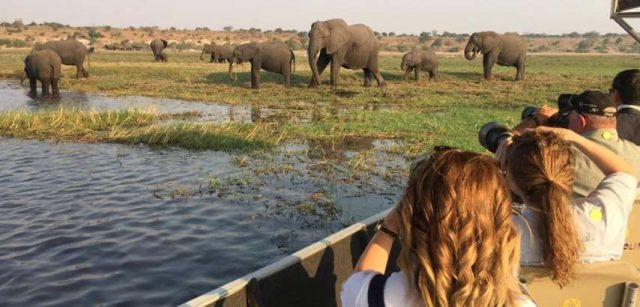
Tanzania safaris beyond the Big Five destinations now include Nyerere National Park, one of Africa’s largest protected areas at 50,000 square kilometres. The mighty Rufiji River forms a complex network of lakes and channels. Boat safaris provide unique perspectives watching elephants swim between islands, spotting enormous crocodiles, and observing hippo pods. Over 350 bird species make Nyerere a birding hotspot.
Unlike Tanzania’s heavily regulated northern parks, Nyerere allows walking safaris and fly-camping experiences in lightweight mobile camps. The park hosts approximately 110,000 buffaloes, Tanzania’s largest population, along with significant elephant and wild dog populations.
Laikipia Plateau: Kenya’s Conservation Frontier
The Laikipia Plateau represents innovative conservation where community-owned and private conservancies create unique African wildlife experiences unavailable in traditional parks. Nearly the size of Wales, Laikipia contains Kenya’s second-largest wildlife populations with a fraction of Maasai Mara’s visitors.
Lewa Wildlife Conservancy shelters black and white rhinoceros plus endangered Grevy’s zebra. The conservancies allow activities prohibited in national parks: night drives, off-road driving, horseback safaris, and camel treks. Community-based conservation ensures local people benefit from wildlife through employment and anti-poaching funding. The plateau supports over 7,000 elephants and 20% of Kenya’s wildlife despite covering less than 3% of the country.
Odzala-Kokoua: Congo’s Rainforest Enigma
For travellers seeking African safaris beyond the Big Five in different ecosystems, Odzala-Kokoua National Park in Congo-Brazzaville offers unparalleled rainforest experiences. This 13,500-square-kilometer park protects pristine Congo Basin rainforest with species rarely seen elsewhere.
Western lowland gorillas are the star attraction. Visitors observe gorilla families from tree houses overlooking clearings called “bais” where gorillas feed on mineral-rich vegetation. Forest elephants excavate these clearings, while bongos and numerous primate species inhabit the forest canopy. Night walks reveal extraordinary nocturnal biodiversity including golden pottos and flying squirrels.
Queen Elizabeth National Park: Uganda’s Diverse Wildlife Haven
Uganda’s Queen Elizabeth National Park ranks among Tanzania safaris beyond the Big Five equivalents in East Africa. The park’s tree-climbing lions in the Ishasha Plains represent one of Africa’s most unusual phenomena, consistently resting in fig and acacia trees during the day. The Kazinga Channel concentrates over 5,000 hippos along its 32-kilometer stretch connecting Lake Edward and Lake George. Queen Elizabeth hosts 610 bird species, making it Uganda’s premier birding destination.
Planning Your Hidden Gem Safari
Exploring African safaris beyond the Big Five destinations requires different planning than visiting well-trodden parks. Remote areas like Ruaha National Park Tanzania typically involve flying charters, adding costs but reducing travel time. Most hidden gem destinations partner with specialist safari operators.
The best seasons vary by destination. Ruaha National Park Tanzania shines during the dry season (June-November) when wildlife concentrates around rivers. Tanzania safaris beyond the Big Five in Nyerere can be excellent year-round. Budget 3-4 nights minimum for these remote destinations. Consider combining multiple hidden gem destinations – Ruaha National Park Tanzania, followed by Nyerere, or pair South Luangwa with Lower Zambezi in Zambia.
Conservation Impact of Visiting Hidden Gems
Tourism revenue funds conservation in remote African parks where government budgets remain insufficient. Visiting African safaris beyond the Big Five destinations directly supports anti-poaching efforts, habitat restoration, and community development. Many hidden gem parks employ community game scouts, creating local jobs and fostering wildlife stewardship. Unique African wildlife experiencesin less-visited areas help diversify Africa’s tourism economy, reducing pressure on overcrowded iconic parks.
Conclusion
African safaris beyond the Big Five experiences reveal the continent’s true wildlife wealth – spectacular landscapes, rare species, and authentic wilderness adventures that transform how you understand Africa. From Ruaha National Park Tanzania, with its elephant herds and wild dogs to Zambia’s walking safari birthplace in South Luangwa, these hidden gems offer profound connections with nature, increasingly difficult to find in our crowded world.
Tanzania safaris beyond the Big Five and equivalent destinations across the continent provide opportunities for conscious travellers to support conservation, benefit local communities, and experience wildlife on nature’s terms rather than through mass tourism’s lens. The unique African wildlife experiences waiting in remote parks reward those willing to venture beyond familiar names with memories that last lifetimes and stories few other travellers can tell.
Start planning your hidden gem safari today – the wild, uncrowded corners of Africa await your discovery.