

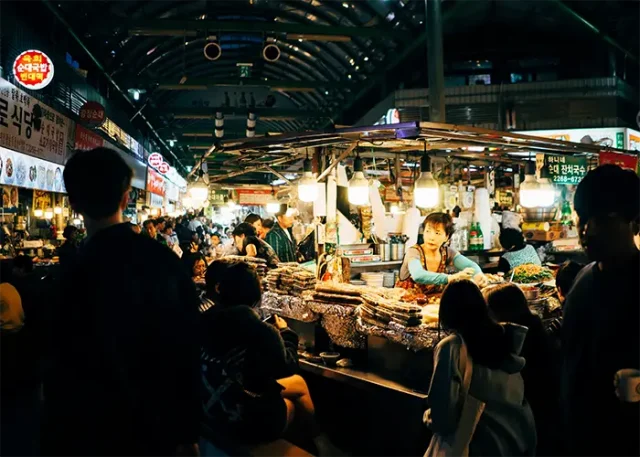
Local food markets provide travelers with a direct connection to culture, tradition, and everyday life that few tourist attractions can replicate. From street vendors to historic indoor halls, these spaces reveal the true rhythm of a destination through flavors, conversation, and atmosphere.
Modern travel has become increasingly focused on experiences rather than simply sightseeing. Many travelers now search for authenticity, looking beyond famous landmarks and curated tourist zones in order to understand how local people actually live. Few places offer that opportunity more naturally than food markets.
Whether it is a bustling seafood market in Asia, a colorful produce square in Southern Europe, or a hidden street food alley in Latin America, local markets capture the personality of a destination in real time. They combine history, commerce, language, tradition, and community in a single space.
Even in a world filled with digital entertainment and highly polished online experiences such as Glorion, travelers continue to crave real world interaction and sensory immersion. Food markets satisfy that desire by offering spontaneity and human connection that cannot be recreated through screens.
Markets reveal everyday local culture
One of the biggest reasons food markets feel authentic is because they are built for local communities rather than tourists. While landmarks and attractions are often designed around visitor expectations, markets continue serving residents going about their daily routines.
Travelers walking through these spaces witness ordinary life unfolding naturally. Vendors negotiate prices, families shop for dinner ingredients, and workers gather for quick meals during lunch breaks. These moments create a much deeper understanding of a destination than staged tourist experiences ever could.
In cities such as Bangkok or Marrakesh, markets are not simply shopping areas. They function as social centers where conversations, traditions, and local identity remain alive. The sounds, smells, and movement create an atmosphere that immediately feels distinct from globalized shopping districts.
Food itself also becomes a cultural language. Ingredients, cooking methods, and meal traditions often reflect centuries of regional history. Travelers can learn about migration, trade, religion, and climate simply by observing what people eat and how food is prepared.
Unlike restaurants that may adapt dishes for international visitors, local markets frequently preserve recipes and flavors in their most traditional form.
Street food creates unforgettable travel memories
For many travelers, some of the most memorable meals happen not inside luxury restaurants, but beside crowded market stalls or small family operated food counters. Street food markets provide a level of immediacy and energy that formal dining often lacks.
There is something uniquely immersive about eating food while surrounded by the sounds and movement of a busy market. Travelers become part of the environment rather than distant observers. Meals feel connected to the city itself.
Destinations like Mexico City and Istanbul are famous for market cultures where food preparation happens directly in front of customers. Watching vendors grill meat, prepare fresh spices, or hand make pastries adds a personal dimension to the experience.
Street food also encourages spontaneity. Travelers often discover dishes they never planned to try simply because a market stall catches their attention through smell, appearance, or recommendation from locals nearby.
This unpredictability is part of what makes market experiences feel authentic. Unlike heavily planned tours or restaurant reservations, food markets reward curiosity and exploration.
In many cases, travelers remember these simple encounters more vividly than major tourist attractions. A conversation with a vendor or a meal shared at a crowded communal table can become the defining memory of an entire trip.
Markets support sustainable and meaningful tourism
Local food markets also encourage a more sustainable form of travel. Spending money directly with small vendors, farmers, and independent food producers helps local economies more directly than large international chains or resort complexes.
Many travelers are becoming increasingly conscious of how tourism affects destinations. Visiting markets often creates a more balanced relationship between visitors and communities because the interaction feels more personal and reciprocal.
Markets also tend to promote seasonal and regional food traditions. Instead of consuming imported products designed for global audiences, travelers experience ingredients connected to local agriculture and culinary heritage.
Cities across Italy, Japan, and Portugal continue preserving historic market culture despite growing modernization. These spaces remain important because they protect traditions that might otherwise disappear under mass tourism and globalization.
For travelers, visiting local markets often creates a stronger emotional connection to a destination. Rather than simply observing a culture from the outside, they participate in everyday routines and shared experiences.
That sense of participation is increasingly valuable in modern travel. As destinations become more commercialized and social media driven, food markets continue offering moments that feel genuine, unpredictable, and deeply human.