
Travel used to be something people stepped away from their normal lives to do. Now, for many, it is the normal life. Work moves online. Trips stretch longer. Homes become temporary. With that shift comes a quiet question that keeps popping up. How do you stay strong when nothing stays still?
For a long time, fitness routines assumed stability. Same gym. Same schedule. Same week, repeated over and over. That system breaks down quickly once flights, time zones, and unfamiliar cities enter the picture. Modern travellers learned that lesson the hard way.
When Fixed Routines Stop Working
Anyone who travels often knows the pattern. One week, the hotel gym looks promising. Next, it barely exists. The timetables are unpredictable. The energy levels increase and decrease depending on sleep, food and movement.
Inflexible exercise regimes fail in such a setting. A lack of one session becomes a lack of multiple sessions. Motivation fades, not because individuals lose feeling, but due to the feeling of instability of the routine.
Eventually, the question of how to follow a perfect plan is left behind by many travellers, and how to create something that withstands the wave of disruption becomes the order of the day.
Strength Becomes About Support, Not Performance
Modern travellers tend to value strength differently. It is less about pushing limits and more about staying comfortable and capable.
Can the body handle long walks through unfamiliar streets? Can it sit through flights without locking up? Can it carry bags, stand in lines, and sleep in unfamiliar beds without pain?
Strength that supports these moments matters more than gym numbers. This shift changes what kind of training feels useful.
Why Low-Impact Training Fits Travel Life
Travel already taxes the body. Hips tighten on planes. Backs stiffen from long drives. Sleep gets interrupted.
Adding high-impact workouts on top of that can feel like too much. Low-impact strength training offers a different experience. Muscles still work hard, but joints get a break. Recovery feels manageable.
Pilates, in particular, appeals to travellers because it emphasizes control and alignment, and Pilates’ focus on strength, control, and posture has been highlighted by health experts as a key benefit of the practice. Sessions feel grounding rather than draining. The body feels worked, not worn down.
Equipment Choices Change With Lifestyle
As training goals shift, equipment preferences change too. Large gyms and heavy machines do not fit flexible living very well. At the same time, bodyweight workouts alone often leave people wanting more challenge.
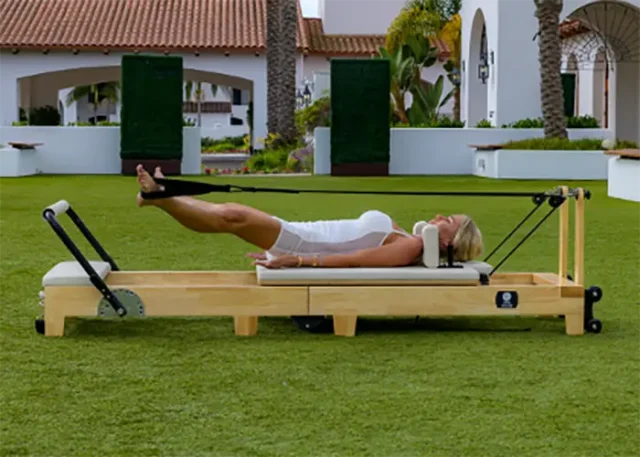
This is where interest in adaptable systems grew. Travellers began looking into studio-style setups at their home bases, combined with lighter movement while on the road. Having access to reliable pilates equipment at one consistent location helped anchor their routines, even when everything else felt temporary.
Home Bases Become Fitness Reset Points
Many modern travellers now operate from a few familiar places rather than one permanent home. These spaces become reset points. Places where routines tighten up again.
Pilates reformer training fits this rhythm well. It delivers full-body strength efficiently, without forcing the body to constantly relearn new systems.
Between trips, travellers rebuild strength. During travel, they maintain it with simpler sessions. The transition feels smooth instead of jarring.
Why Reformer-Style Training Resonates
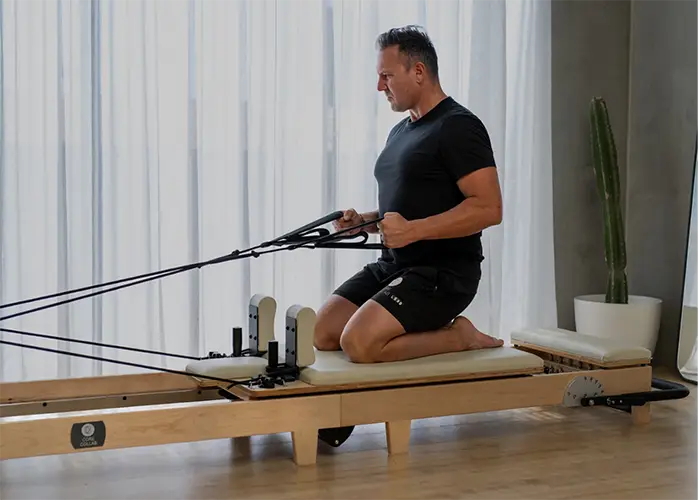
Reformer-style Pilates gained attention among travellers for practical reasons. It works the entire body in a short time. Core engagement stays constant. Balance and coordination improve alongside strength.
For people who cannot train daily while moving between places, efficiency matters. A few focused sessions can go a long way.
As interest grew, many travellers also began exploring alternatives to the most dominant reformer systems. They wanted options that fit their space, budget, and preferences, without being locked into one brand identity.
Strength That Supports Exploration
Travel is physical in ways people often underestimate. Long walks. Uneven surfaces. Carrying luggage. Standing for hours.
Strength training that supports these demands feels useful rather than aesthetic, and research on Pilatesimproving core strength and endurance shows how low-impact movement can support everyday physical needs. Pilates strengthens the muscles that protect the spine, hips, and shoulders. These areas take the most strain while travelling.
Better posture reduces fatigue. Stronger core muscles support balance. Movement feels easier, even on tired days.
Flexibility Without Losing Progress
One fear many travellers share is losing progress when routines change. Flexible living often means inconsistent schedules. Pilates-based strength training eases that concern.
Progress in Pilates builds through awareness as much as repetition. Even lighter sessions reinforce patterns. The body remembers what it knows.
This makes it easier to return to harder training after time away. Strength does not feel lost. It feels paused.
Wellness Becomes Part of the Journey
Travel culture and wellness culture have started to overlap. People choose destinations based on lifestyle as much as scenery. Movement, recovery, and mental clarity matter.
Pilates fits naturally into this mindset. Sessions can calm the nervous system after long travel days. Breathing and control bring a sense of stability when everything else is unfamiliar.
Strength training becomes part of the journey, not something postponed until returning home.
Why Options Matter More Than Ever
As flexible living grows, so does the desire for choice. Travellers want tools that adapt to them, not the other way around.
Exploring different reformer systems and setups allows people to build routines that fit their lives. Some prioritize compact spaces. Others want studio-level performance at home.
What matters most is how well the training supports consistency and control.
Strength as a Long-Term Companion
Modern travellers no longer treat fitness as something separate from life on the road. It moves with them, even when the equipment does not.
Strength training has become quieter. More intentional. Less about extremes and more about support.
Pilates-based systems, including reformer training, align with this shift. They offer strength that adapts to change instead of resisting it.
As flexible living continues to grow, so will interest in training methods that travel well. Strength that supports movement, recovery, and exploration is no longer optional. It is part of the journey.