

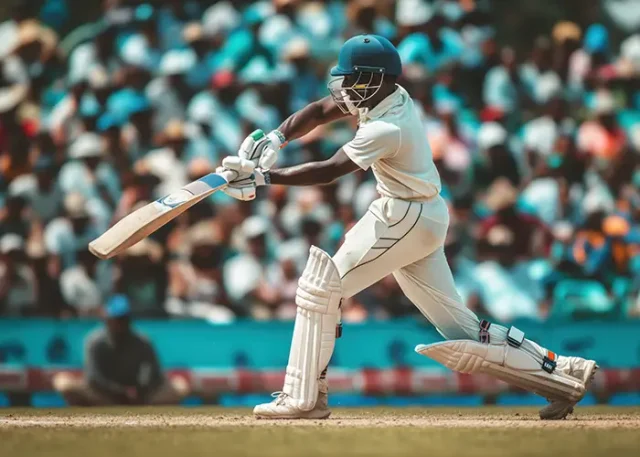
Fans often overlook the small decisions that quietly shape a tournament. Changes in the lineup rarely make headlines, yet over a long season, they can matter just as much as tactics or form. Coaches are constantly balancing fatigue, injuries, confidence, and results. In Pakistan and across much of Asia, where tournaments stretch over months, rotating players isn’t optional — it’s part of survival.
Why Rotation Becomes Necessary Over Time
Many players in Pakistan seek quick, accessible entertainment, and one format that has grown in popularity is slots PK. Since these games require no prior knowledge or commitments and offer sufficient visual variation, they will be easy to explore. Fans who like to keep things simple can play slots and get involved without having to learn difficult rules.
Playing in long tournaments is always mentally and physically punishing for athletes. When combined, travel, training, and high-stakes matches can become overwhelming for individuals. Fast bowlers feel the strain the worst, and batters don’t escape it. Regardless of the role, fatigue significantly reduces reaction time, concentration, and decision-making. Proactive rotation helps manage strain before a dip in performance is noticeable. Waiting until players break down is usually too late.
Balancing Rest and Rhythm
When people in local gaming communities discuss platforms that support multiple game types and user-friendly interfaces, Melbet Pakistan often comes up in conversation. Many users note how simple it is to browse games, follow results, and stay up to date, which is why the platform appears frequently in casual discussions. Its consistent performance and clear structure make it something players refer to without hesitation.
Rest, on the other hand, is far less straightforward than it sounds. Players need continuity to stay sharp, and too much time out can break that rhythm, especially for batters. Teams continually weigh recovery against match readiness. A well-timed break can reset a player, but a poorly timed one can leave them short of confidence. That’s why the most successful teams plan rotations in advance, rather than adjusting on the fly.
Rotation Affects Team Consistency
Changes in personnel affect rotation and result in modifications to fielding unit combinations, bowling strategy, and communication structures. Individual benefits of rotation can disrupt the rhythm of the collectives. Teams with strong depth manage these dynamics most effectively, as replacements slot into clearly defined roles. In contrast, teams lacking depth tend to struggle to maintain consistency, especially in the face of mounting change. This is where squad planning is as important as selection.
Rotation fosters opportunity. Players beyond the regular XI are afforded match time, and younger members of the squad gain exposure that is critical to assessing temperament and experience. However, it also comes with the potential downside of inconsistent selection. Inconsistent selection can lead to difficulty in settling and building confidence. Teams that clearly communicate roles are likely to get a lot more from their rotated players.
Format Length Changes Rotation Strategy
Tournaments vary in type and format. Some require a different strategy. In multi-match ODI or T20 leagues, rotation is lighter and more focused on bowlers’ workloads. In Test series, especially back-to-back ones, rotation is timed more strategically. Each format requires its own recovery time and mental prep.
Rotation on its own doesn’t guarantee better performances. Push it too far, and the opposite can happen. Constant changes can stretch players beyond their comfort zones, increase mistakes, and raise the risk of injury. Often, performance dips quietly before dropping off altogether. Smart rotation is about avoiding that slide, even if it costs some short-term consistency. In the long run, teams trade familiarity for stability, and that balance is usually worth it.
Teams seldom rotate for no reason. There are always beads of evidence to back these changes.
| Approach | Benefits | Risks |
| Heavy rotation | Better fitness management | Loss of rhythm |
| Light rotation | Strong continuity | Fatigue buildup |
| Planned rotation | Balanced workload | Requires depth |
| Reactive rotation | Injury coverage | Disrupted planning |
Fan Perception vs Team Reality
When results don’t go the right way, rotation is usually the first thing fans question. Resting a star player ahead of an important match invites criticism almost immediately. But teams are operating on a longer timeline. Dropping an early game can sometimes protect performance deeper into a tournament. Coaches often accept short-term backlash to avoid a bigger breakdown later. The disagreement isn’t about logic; it’s about perspective.
Why Depth Defines Successful Rotation
What makes rotation effective is depth. Without dependable backups, rotation is a gamble. Teams with solid domestic structures can rotate with conviction. Those lacking depth hesitate and regularly overextend players. That difference is evident over time in injury lists and form in the latter stages of tournaments. Having depth changes the rotation from an uncertain gamble to a calculated approach.
Team rotation is not about resting players. It is about managing various limits. Performance in long-form cricket tournaments will not be determined by the strength on paper. It is determined by who is sharp, fit, and effective to the very end. Teams that grasp this concept arrive in prime shape when it matters the most.