

Cats are furry, lovable pets and an important part of many families. People who own cats love them as family members. Most cat owners try to offer the best care and attention to their feline friends.
A cat’s health depends on multiple factors, including nutrition, exercise, genetics, and medical care. The food you feed your cat plays a major role in its overall health and well-being.

Nowadays, there are a variety of canned foods available for pets. Pet owners feed their cats the foods that seem best based on the advertisements they see. However, it is important for pet owners to know what to consider when selecting food for their cat. Let us explore the tips to choose the best foods for your cat.
Nutrition requirements of your cats
Like humans, cats also need a balance of nutrients for optimal health. Cats’ bodies require a protein-rich diet with a balance of carbohydrates, fats, vitamins, and minerals.
Plant-based meals may not offer all the nutrients your cat needs to maintain its good health.. Nutrients such as arachidonic acid, taurine, and vitamin B12, are not available in plant foods as they are present in animals.
Cats can develop liver and heart issues, as well as skin rashes and hearing loss, without a consistent supply of essential nutrients. The foods you feed to your cat should have essential vitamins and minerals to maintain a healthy heart, liver, and coat.
Consider your cat’s age
There are numerous foods that advertise being “complete and balanced for all life stages.” Though it may not be the best for your kitten or your senior cat, this sounds incredibly convenient.
Pick cat food made for that stage of life because, like humans, cats have different nutritional needs at different life stages. What cats require at each stage is as follows:
Kittens
If the cat is under one year of age, you should offer it a kitten formula, unless your veterinarian recommends switching to an adult formula.
Adult Cats
Cats between one and seven years of age should be fed an adult cat formula.
Senior Cats
Cats above seven years of age are considered senior cats; they should be given a senior formula.
Animal Protein
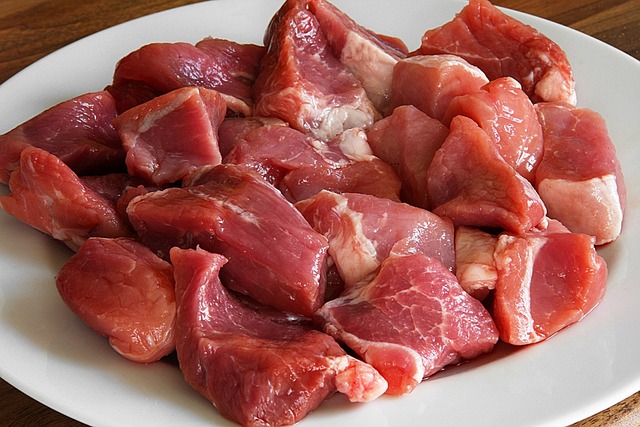
As carnivores by nature, cats’ bodies need more animal protein than the protein present in plants. The foods you choose for your cat should contain some animal protein and fat. Pet owners need to serve meat to their cats at least once a day.
Cats above seven years of age are considered senior cats; they should be given easy-to-digest foods. Senior cats have slower digestion than adult cats and the formulas for them are made light and easily digestible.
Dry and Wet Food
Dry Food
The pellet-like food offered in bags is known as dry cat food. Typically, it is the more affordable choice, and it keeps longer. Dry foods can be a cost-effective option for pet owners.
Wet Food
Wet cat food has a moist, velvety texture and is packaged in a can. It is frequently preferred by cats over dry food. Wet food also has a higher water content, so it aids in hydration if your cat has trouble drinking water. Since wet food provides more liquid to help seniors with kidney problems flush their systems, this can also be a good option for them.
Do not forget Grains
Multiple grain types are used in pet foods that are an excellent source of carbs. Cats’ digestive system can metabolize these carbohydrates easily and use them for energy production. However, many pet owners avoid grains in their cat’s diet, as some experts believe that a cat’s diet should be high in protein and low in carbs.
However, grain-free diets are not necessarily low in carbs. In fact, many cat foods replace grains with other carbohydrates like starch and sugar. If you are seeking a low-carb diet, avoiding grains may not be the right solution.
Avoid Harmful Ingredients
Most cat foods are specially made to be safe and balanced for cats. According to the American Veterinary Medical Association, some foods like avocado, onions, grapes, and chocolate are harmful to cats. If you are not sure about the nutrient content of some foods for your cat, consult a veterinarian for advice.
Summing Up
Feeding a balanced diet for complete nutrition is not as easy for pet owners. Knowing the nutritional requirements of your cat is essential to know the best foods available. You need to figure out your cat’s nutrition requirements and choose foods that are easy to digest and appropriate for its age. If your cat has a medical condition, you need to consider it and choose the foods that are suitable for that condition.