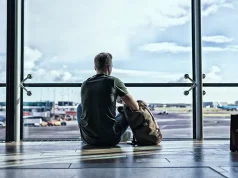
Travelling in recovery is hard. There’s no sugarcoating it. The structures and routines that help keep sobriety on track? They fly out the window. The support network that holds everything together? Poof… hundreds of miles away.
And the icing on this very bad cake…
Travel is one of the leading causes of people in recovery relapsing. The added stress, new surroundings, and easy access to substances and alcohol? A recipe for disaster.
It doesn’t have to be that way, though. With the right plan in place, travelling while managing addiction is absolutely possible. This guide is here to walk you through exactly how.
What You’ll Learn:
- Why Travel Is Risky For Recovery
- How To Prepare Before The Trip
- Strategies For Staying Sober On The Road
- What To Do If Cravings Hit
- Building A Travel-Proof Recovery Plan
Why Travel Is Risky For Recovery
Travel disrupts your life. The day-to-day grind that provides a structure to recovery? Gone. The familiar faces, places, and routines that hold everything together? Nonexistent.
This matters.
According to statistics from NIDA, substance use disorders have a 40 to 60% relapse rate. The riskiest time for this is during the first year after completing a treatment program. Travel increases all the factors that lead to those stats.
New environments. Disrupted sleep. Lonely nights and social situations where alcohol flows freely. These are all classic triggers. For anyone going through the process of recovery from alcohol or drug addiction at a New Jersey addiction treatment center or any drug rehab treatment center, it’s important to be aware of these risks before booking that next flight.
Stress is also a huge factor. The body is already having to deal with all these stressors that come with travel… flight delays, long security lines, crowded airports, unfamiliar places. Your brain is going to look for those familiar coping methods when stress levels rise. For people in recovery, that means cravings.
Travel takes the same brain that has been in one routine and puts it into a brand-new routine.
How To Prepare Before The Trip
Planning is everything. In fact, the work starts well before you even step foot in an airport.
Create A Solid Plan
Plan out the trip as much as you can. Know exactly where the hotel is and how to get there. Know the activities and schedule planned. Most importantly… know where those potential triggers are.
Is there going to be a minibar stocked with alcohol in the hotel room? Call ahead and have it removed. Is the restaurant where everyone is eating known for its cocktail list? Find alternatives that have a more recovery-friendly atmosphere.
Pack Recovery Essentials
This doesn’t just mean clothes and toiletries. When packing for a trip with travel as part of recovery, put in thought around these items:
- Phone numbers for a sponsor or therapist
- Journal to write down thoughts and feelings
- Comfort items to promote relaxation
- List of local support groups meetings at the destination
Tell Someone
Make sure someone trusted knows about the travel plans. Whether it’s a sponsor, therapist, or close friend, having someone that will reach out and check in during the trip creates a level of accountability distance can’t break.
Strategies For Staying Sober On The Road
Travel requires active effort to stay sober. Hoping for the best and not actively working towards staying on track will lead to trouble.
Stick To A Routine
This sounds simple but is very effective. Wake up and go to sleep at the same time. Eat meals at regular times. Schedule time for exercise or meditation.
The brain craves predictability. When everything else in a new environment is crazy and chaotic, these small anchor points provide stability.
Avoid High-Risk Situations
Some situations are just not worth the risk. Late-night drinking with co-workers? Pass. Beach party with an open bar? Opt out.
This isn’t about being a hermit. It’s about being smart. Recovery comes first… no matter where you are in the world.
Stay Connected
With all the technology these days, it’s easier than ever. Virtual meetings for support groups happen 24/7. Video calls with sponsors and therapists are a click away if wifi is available.
Use these resources. Research shows that having a strong support system is one of the most effective tools in recovery. Distance doesn’t have to mean disconnection.
What To Do If Cravings Hit
Cravings are going to happen. They’re not a sign of weakness or failure. They just are.
The important thing is having a plan in place before they hit.
Recognise The Warning Signs
Cravings rarely just come out of the blue. There’s a slow build up of the craving. Irritability, anxiety, romanticising past substance use, justifying one… these are all red flags that a craving is starting.
If caught early, the next steps become much easier.
Use Grounding Techniques
Deep breathing, splashing cold water on the face, or 5-4-3-2-1 method (listing 5 things you can see, 4 things you can hear, 3 things you can touch, 2 things you can smell, 1 thing you can taste). These grounding techniques can help to pull someone back from the craving cycle.
These are not a magic cure. But they can help to slow down the moment. Cravings are often just an emotional or mental state. Buying time can be enough for the craving to pass.
Reach Out Immediately
Pride can be thrown out the window here. Call a sponsor. Text a therapist. Join an online meeting.
The worst thing to do is sit there with a craving and try to white-knuckle your way through it. Don’t be afraid to get help.
Building A Travel-Proof Recovery Plan
The secret to long-term success is treating travel as a part of the recovery journey instead of an exception to it.
Debrief After Every Trip
Once back home from the trip, take time to reflect on what happened. What worked? What didn’t? Were there triggers that were not expected that need attention?
This data is invaluable. It will help to make the next trip go more smoothly and with less stress.
Work With Professionals
Travel concerns and fears should be part of regular discussions with a therapist or counselor at any drug rehab treatment center. They can help to identify blind spots and build individualised strategies.
Start Small
If travel feels like a huge undertaking, start small. Weekend trips are a great way to dip your toe in the water. Short weekend getaways are a lot less intimidating than two-week-long international adventures. The confidence and skills gained from these smaller trips will build over time.
Know That Setbacks Aren’t The End
This is the most important thing to remember…
If a slip does happen, it does not undo all the recovery progress made up to that point. Recovery is not a linear path. It’s a process. Sometimes there are bumps and bruises in that process.
What matters most is how you respond to the setback. Get right back on track. Get back in contact with people. Learn from it and move forward.
The Bottom Line
Travelling while managing addiction and recovery takes work. But it can be done.
The good news is, it can be done.
By understanding the potential pitfalls, putting in the work to prepare, and having solid strategies in place, travel does not have to be a risk to sobriety. In fact, it can actually strengthen recovery by showing that a fulfilling life without substances is possible… even when on the road.
The trip may be temporary. But the commitment to recovery? That stays permanent.