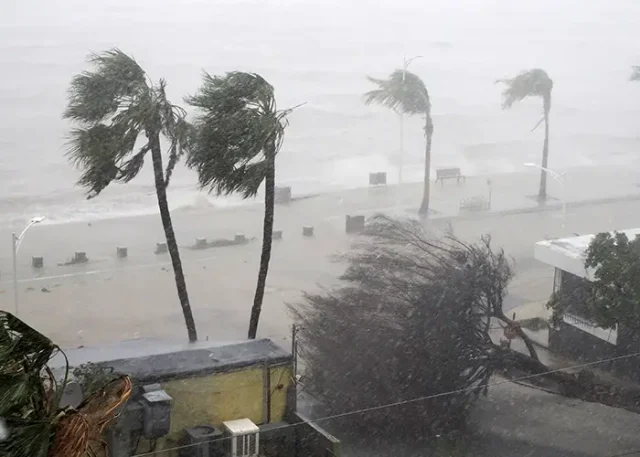
When major hurricanes hit, they can disrupt day-to-day life quite a bit. Being prepared helps to keep families, homes, and valuable possessions safe. When serious storms are heading your way, there are some elementary things you can do in advance that go a long way. This article gives practical advice for people trying to protect their homes ahead of a hurricane.
Create an Emergency Plan
If you’re looking for ways on how to prepare your house for a hurricane, start with a sensible contingency plan. During storms, every member of the household should know where to go and who to call. Delegate responsibility, like supply management or pet-watching. Have a piece of paper where you write some important phone numbers (e.g., check the contacts of your phone) in a place where you can access them easily. Practice the plan to prepare everyone for a possible evacuation.
Stock Up on Essential Supplies
Stocking up in advance spares the last-minute panic. Your household emergency kit should include non-perishable food, bottled water, flashlights, and batteries. Pack a first-aid kit, any medications you need, and personal hygiene products. Do not leave out pet food/equipment (for animals). Pack these items in a watertight box or a heavy plastic bin.
Secure Windows and Doors
Severe storms can bring along damaging winds that blow objects and debris into the windows or doors. Secure glass panels with plywood or install storm shutters. Secure the entrances with deadbolts and hardcore locks. Keep items away from doors and windows so that nothing can shatter the glass. You should reinforce garage doors to handle pressure changes in storms.
Protect Outdoor Property
Loose patio furniture or decorations can become projectiles during a hurricane. Move patio chairs, tables, and planters inside or bind them down as securely as possible outside. If branches are very close to your roof or power lines, trim those down. Cut back poor or dying branches to minimize risk. Put away gardening tools, grills, and bicycles inside a garage or shed.
Inspect and Repair Roofs
The roof is the first line of defense against storm damage, so make sure it is in good shape. Get on the roof to check for missing shingles, cracks, or any signs of age. When you identify a missing or broken tile, replace it as soon as possible. Clear gutters and downspouts: keep water from building up and leaking into your home. You should install roof straps to hold the structure down more securely.
Check Insurance Coverage
Consider reviewing your homeowner insurance policy before the start of hurricane season. Don’t forget to include storm damage and flooding as part of coverage. Photograph high-value items to document for potential claims. Have copies of essential documents in a waterproof bag. Reach out to an insurance agent to identify any gaps or limits in existing coverage.
Prepare for Power Outages
Bad weather can frequently result in power outages. Buy batteries, portable chargers, and lanterns. Keep generator fuel on hand, but never run it indoors. Charge mobile devices beforehand. Place water in plastic bags and freeze to keep them cold in case of a power outage. For more comfort during power outages, consider stocking up on battery-operated fans.
Safeguard Important Documents
Store hard-copy personal records like birth certificates, passports, and other important files in a waterproof safe. Also, store copies on a secure cloud service or using an external drive. You should organize and store all crucial paperwork so you can access it at a moment’s notice in case of an emergency. Put bank information, insurance policies, and medical records into the safe.
Prepare Vehicles
Leave cars gassed to a full tank before a hurricane. Make sure you set the air pressure in the tires, the oil level, and the wipers. Stash an emergency kit in every vehicle with blankets, water, and snacks. Park in a garage or next to a building to block the wind. If you ever need to evacuate, a fully stocked vehicle can cut down on your overall travel time.
Stay Informed
Especially during severe weather, it is important to have reliable information. Keep listening to the local news or battery-powered radio reports. Enroll for alerts from reliable sources to receive notifications regarding changing conditions. Steer clear of speculation and unconfirmed reporting. If the authorities order you to evacuate, then you must evacuate immediately.
Conclusion
One way to avoid tragedy is preparation, and proper preparation for a hurricane directly lowers risk, which is always important to help protect your family. With these simple precautions, homes are more likely to survive extreme weather events. Preparing ahead of time and updating plans regularly allows for peace of mind during hurricane season.