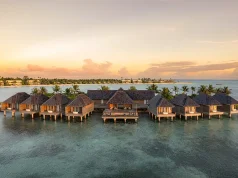

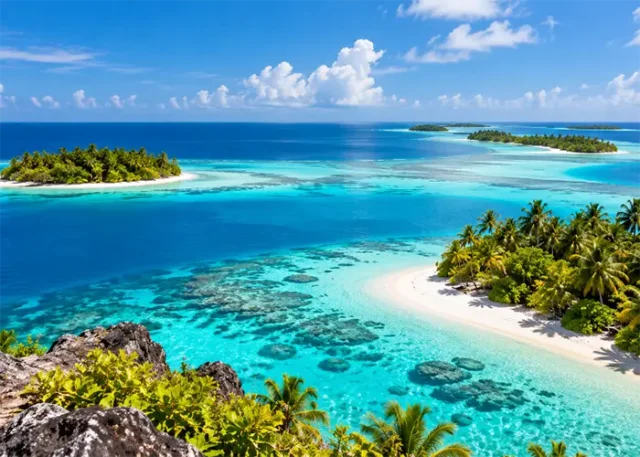
The Maldives is often pictured as a collection of luxury overwater villas, white-sand beaches, and turquoise lagoons. While these iconic scenes attract travelers from around the world, they represent only one side of this remarkable island nation. Beyond the famous resorts and popular tourist routes lies a quieter Maldives, where remote atolls, traditional island communities, and extraordinary marine environments offer a different kind of adventure.
For travelers who prefer exploration over crowded attractions, the lesser-visited regions of the Maldives provide opportunities to experience the Indian Ocean in a more personal way. From secluded sandbanks to thriving coral reefs, these destinations reveal natural landscapes that many visitors never encounter.
Discovering these places often requires a different approach to travel. Rather than staying at a single resort, adventurous visitors can explore multiple islands and offshore locations through carefully planned sailing journeys.
Why the Maldives Has So Much More to Discover
The Maldives consists of approximately 1,190 coral islands spread across 26 natural atolls. These islands extend over a vast area of the Indian Ocean, creating an unusual geography where many destinations are separated by considerable stretches of open water.
Tourism is concentrated in certain regions, particularly around Malé and the central atolls. Although these areas offer beautiful beaches and excellent facilities, they are only a small part of the country.
More distant atolls may have fewer resorts, limited transport connections, and relatively low visitor numbers. This can make them attractive to travelers looking for peaceful surroundings and less commercialized experiences.
Exploring these areas offers a chance to appreciate the Maldives beyond its familiar luxury image. Visitors may encounter fishing communities, quiet lagoons, traditional island life, and marine habitats that feel far removed from busy holiday destinations.
However, remoteness also requires preparation. Transport schedules, weather conditions, accommodation availability, and local regulations can influence which locations are accessible.
Northern Atolls: A Quieter Side of Island Travel
The northern Maldives offers an appealing combination of cultural heritage, scenic coastlines, and underwater exploration.
Haa Alifu and Haa Dhaalu Atolls are situated far from the main tourism centers. Their distance from Malé means that many international visitors never include them in their itineraries.
These regions contain inhabited islands, uninhabited stretches of coastline, and extensive reef systems.
Travelers interested in local culture can discover communities where fishing and everyday island traditions remain important parts of life.
The northern atolls also provide opportunities for snorkeling and diving, although specific sites and conditions vary.
One of the main attractions is the sense of distance from the more developed resort areas. Rather than moving between famous tourist landmarks, visitors can experience the landscape at a slower pace.
For travelers seeking destinations beyond the usual Maldives itinerary, the northern islands deserve consideration.
Southern Maldives: Remote Waters and Wild Ocean Landscapes
The southern atolls offer another perspective on the country’s geography.
Regions such as Huvadhu Atoll, also known administratively as Gaafu Alifu and Gaafu Dhaalu, feature extensive reef systems, channels, and offshore marine environments.
These areas are especially interesting to experienced divers because some locations experience strong currents and attract a variety of marine species.
Farther south, Addu Atoll has its own distinctive character, including inhabited islands connected by causeways, historic sites, and diving locations.
The southern Maldives is not entirely untouched by tourism, but its distance from the main resort concentrations can create a noticeably different travel experience.
Visitors should remember that remote does not always mean deserted. Local communities live and work throughout these regions, and responsible travel involves respecting their traditions and environment.
Reaching Remote Atolls Through Liveaboard Exploration
One of the challenges of exploring lesser-visited parts of the Maldives is transportation.
Domestic flights, speedboats, and public ferries connect many islands, but reaching offshore reefs or several distant locations within one trip can be complicated.
Liveaboard travel provides an alternative by combining accommodation and transportation aboard a vessel.
Instead of remaining in one location, passengers can move between selected dive sites, reef systems, and anchorages according to the itinerary and prevailing conditions.
Operators such as Spirit Liveaboards offer marine-focused itineraries in the Maldives. Travelers researching the best liveaboard in the Maldives should consider factors such as route coverage, vessel facilities, crew experience, safety standards, and the types of marine activities offered.
The right choice depends on individual priorities. Some itineraries focus on central atolls, while others explore northern or southern regions during suitable periods.
A well-organized journey can make it easier to experience several marine environments without repeatedly arranging transfers and accommodation.
Nevertheless, not every liveaboard visits remote atolls. Travelers should confirm the actual route before booking rather than assuming that all sailing trips provide access to secluded destinations.
Wildlife Encounters: Manta Cleaning Stations and Seasonal Marine Life
The underwater world is one of the strongest reasons to explore the Maldives beyond its popular beaches.
Its reefs, channels, and lagoons support diverse marine ecosystems, including reef fish, sea turtles, sharks, rays, and numerous coral species.
Among the most fascinating animals found in Maldivian waters are manta rays.
These large, graceful fish are known for their broad wingspans and distinctive swimming movements. They often visit areas known as cleaning stations, where smaller fish remove parasites and dead tissue from their bodies.
Cleaning stations are important locations for underwater observation because manta rays may return to them under suitable conditions.
For travelers interested in manta ray diving in the Maldives, understanding these natural behaviors and seasonal patterns can help with planning a marine-focused itinerary.
Manta activity varies between regions and throughout the year. Changes in monsoon conditions influence currents and plankton distribution, which can affect where manta rays gather.
Hanifaru Bay in Baa Atoll is particularly well known for seasonal manta aggregations associated with plankton-rich waters. Access is regulated, and scuba diving is prohibited within the protected bay, although guided snorkeling may be permitted under applicable rules.
Elsewhere, manta rays may be observed around cleaning stations and reef environments, depending on local conditions.
Wildlife sightings are never guaranteed, even during favorable seasons. Responsible operators should follow local conservation regulations and avoid disturbing animals.
For many travelers, observing marine life respectfully in its natural habitat is more rewarding than simply visiting another famous beach.
The Appeal of Uninhabited Islands and Secluded Sandbanks
Away from major resorts, the Maldives contains numerous uninhabited islands and sandbanks surrounded by shallow lagoons.
These locations can offer striking views of white sand, clear water, and uninterrupted ocean horizons.
Some sandbanks appear or change shape with tides and seasonal conditions, making them particularly interesting features of the island landscape.
Depending on access permissions and local regulations, travelers may be able to visit selected locations during organized excursions.
Activities might include swimming, snorkeling, photography, or simply enjoying the surroundings.
However, an uninhabited island is not necessarily open for unrestricted public access. Some locations are privately managed, environmentally protected, or subject to local permission requirements.
Visitors should always confirm access arrangements and avoid leaving litter or disturbing nesting wildlife.
Experiencing Local Island Communities
Remote island travel is not limited to natural scenery.
Inhabited islands offer opportunities to understand the cultural traditions and everyday routines of Maldivian communities.
Fishing remains an important activity in many areas, while boatbuilding, local crafts, and regional food traditions reflect the country’s close relationship with the sea.
Visitors may encounter small harbors, neighborhood cafés, local markets, and community spaces that differ significantly from the atmosphere of private resort islands.
Respectful cultural tourism involves following local dress expectations, asking permission before photographing residents, and understanding that inhabited islands operate according to community customs.
Choosing locally operated services where possible can also help ensure that tourism contributes to island economies.
These experiences add cultural depth to a journey that might otherwise focus entirely on beaches and underwater activities.
How to Plan an Off-the-Beaten-Path Maldives Adventure
Exploring distant atolls requires careful planning, particularly when traveling beyond established tourism routes.
The first step is deciding what type of experience matters most. Some travelers prioritize marine wildlife, while others prefer cultural exploration, photography, or peaceful island surroundings.
Travel dates are equally important. The Maldives experiences seasonal changes in rainfall, winds, sea conditions, and underwater visibility.
The northeast monsoon generally brings drier conditions to many areas, while the southwest monsoon can produce more variable weather. However, conditions differ by location, and certain marine encounters may be more favorable during wetter periods.
Travelers should also consider the practical requirements of visiting remote destinations, including emergency medical access, transportation connections, insurance, and activity-specific safety procedures.
For diving trips, certification levels and experience requirements should be checked carefully, especially when itineraries include channels or strong-current sites.
A flexible schedule is valuable because weather and sea conditions may require adjustments.
Responsible Tourism in Fragile Marine Environments
The Maldives’ natural beauty depends on delicate marine and coastal ecosystems.
Coral reefs provide habitats for numerous species, help protect shorelines, and support local livelihoods.
Unfortunately, these environments face pressures from rising ocean temperatures, coral bleaching, pollution, and human activity.
Travelers can reduce their impact by choosing operators with responsible environmental practices, avoiding contact with coral, and following wildlife interaction guidelines.
During snorkeling or diving, maintaining buoyancy and keeping equipment away from reef structures helps prevent accidental damage.
Reducing single-use plastics and disposing of waste properly are also important, particularly on remote islands where waste management resources may be limited.
Traveling responsibly helps preserve the qualities that make these less-visited destinations so appealing.
Why the Road Less Traveled Is Worth Exploring
The most memorable journeys are not always defined by famous landmarks or luxurious accommodation.
Sometimes, they come from discovering places that require extra effort to reach.
In the Maldives, a quiet sunrise over an isolated atoll, an encounter with marine wildlife, or a conversation with island residents can create lasting memories.
Remote travel also encourages visitors to slow down and appreciate their surroundings rather than moving quickly between popular attractions.
Although the more distant regions may involve additional planning, they offer opportunities to experience the country’s geography, culture, and marine life from a different perspective.
For adventurous travelers, that sense of discovery is often the greatest reward.
Frequently Asked Questions
Which Maldives atolls are less crowded?
Northern atolls such as Haa Alifu and Haa Dhaalu, along with some southern regions, generally receive fewer visitors than the main tourism centers. Crowding varies by island and season.
Can tourists visit uninhabited islands in the Maldives?
Yes, some uninhabited islands and sandbanks can be visited through authorized excursions. Access depends on local regulations and permissions.
When is the best time to see manta rays?
Manta ray activity varies by region and season. Baa Atoll is particularly known for seasonal aggregations during the southwest monsoon period, although sightings are never guaranteed.
Are remote Maldives atolls suitable for first-time visitors?
Yes, provided travelers arrange reliable transportation, suitable accommodation, and activities that match their experience levels.
Is a liveaboard necessary to explore distant atolls?
No. Domestic flights, ferries, and speedboats serve various islands. However, liveaboards can be convenient for exploring multiple offshore marine sites during one journey.
Final Thoughts
The Maldives offers far more than its internationally recognized luxury resorts and popular beach destinations.
Beyond the familiar tourist routes are remote atolls, peaceful island communities, secluded sandbanks, and diverse underwater environments waiting to be explored.
Whether traveling through the northern islands, discovering southern reef systems, or joining a marine-focused sailing journey, visitors can experience a quieter and more adventurous side of the country.
With thoughtful planning, realistic expectations, and respect for local environments, an off-the-beaten-path Maldives trip can become an unforgettable journey into one of the Indian Ocean’s most fascinating island landscapes.