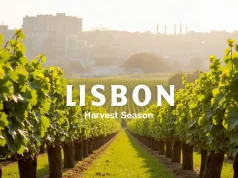


Over the years, luxury travel has changed a lot. People are no longer satisfied with simply staying in expensive hotels or eating at high-end restaurants. Today, travelling is more about finding adventures that are meaningful and memorable. And that is where wine tourism comes in.
Wine regions are one of those places where history, culture and local traditions come together naturally. Someone might think, “It is just a vineyard, what else can I do besides tasting wine?” That assumption is quite off the mark.
In this article, we will uncover how wine heritage has become a travel experience and why more travellers are being drawn to wine destinations today.
How Wine Heritage Evolved Into a Tourism Experience
Most of these famous wine regions existed long before they became tourist attractions. After all, their primary purpose was producing wine, not welcoming and entertaining tourists.
However, people gradually became curious about the origins of the wines they enjoyed. Some went a step further. Instead of only buying the bottle, they wanted to see where it was made. Wineries saw it as an opportunity to further strengthen their brand image – so, they opened their doors through guided tours, cellar visits, vineyard walks and tasting experiences.
These experience-centred explorations are what transformed wine-producing regions into popular destinations, especially for wine enthusiasts. For example, someone who enjoys a bottle of Bollinger champagne by Millesima may eventually want to explore the Champagne region itself and put a face to the name.
Why Travellers are Drawn to Wine Destinations
Authentic Cultural Experiences
As mentioned earlier, the modern traveller wants experiences that help them connect with a place beyond typical tourist attractions. Wine regions offer the perfect destination, thanks to the mesh of local customs, traditions and unique ways of life.
Travelling to these regions offers you plenty of chances for interacting with winemakers, local guides and owners of family-run estates (wine-related).
Imagine the feeling of experiencing something that has genuine roots in the region. It offers a little bit more than exploring something created solely for tourists.
Exclusive and Immersive Activities
Another reason travellers are drawn to wine destinations is that wine tourism often feels more personal and immersive than traditional sightseeing. That is especially true if you are a wine enthusiast.
Some of the activities you’ll do in such a region include vineyard walks, private tastings, cellar tours and trying different food pairings. These experiences are the kind that allow you to slow down and fully engage with your surroundings.
Also, their guided tours get you access to places and experiences that are unique and difficult to replicate elsewhere.
Connecting Wine With Its Place of Origin
Last but not least, travellers are drawn to wine destinations because they want to connect their favourite bottle to their place of origin. Seeing a wine region first-hand creates a deeper appreciation for the wine itself.
As a visitor, you can better understand how factors like landscape, climate and local traditions influence what ends up in your bottle. That experience creates a stronger emotional connection than simply purchasing wine from a store.
Conclusion
The modern luxury traveller is becoming increasingly focused on meaningful experiences rather than material indulgence. And wine tourism is one of the best ways to meet these goals. It offers a combination of history, culture and craftsmanship that you can’t really find in tourist-centred travel destinations. But, most importantly, it allows you to experience the stories behind the wines you enjoy – creating memories that last long after you come back home.