Lisbon has always been a visually captivating city. Hand-painted tiles cover historic facades, contemporary murals enliven unexpected corners and monumental architecture rises above the Tagus River. This fall, Portugal’s capital adds an exceptional calendar of exhibitions, museum programs, fashion and design events to its year-round creative appeal.
From a dialogue between Valentino haute couture and Portuguese contemporary art to newly renovated museum galleries, fall 2026 offers art lovers several compelling reasons to visit Lisbon.
Mild seasonal weather makes it comfortable to explore the city on foot, while Lisbon’s compact neighborhoods allow visitors to combine major museums with independent galleries, historic architecture and memorable dining.
Fashion Meets Contemporary Art at MAAT
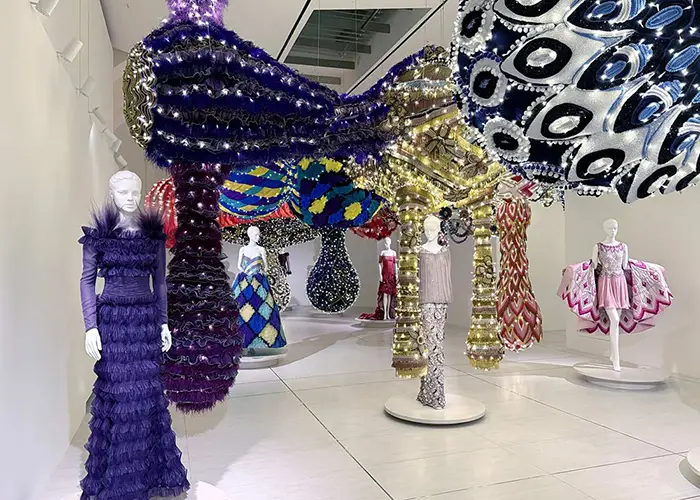
The season’s headline exhibition is VENUS: Valentino Garavani Through the Eyes of Joana Vasconcelos, opening at the Museum of Art, Architecture and Technology on October 2, 2026.
Arriving in Lisbon after its presentation in Rome, the exhibition brings creations by fashion designer Valentino Garavani into conversation with works by acclaimed Portuguese artist Joana Vasconcelos.
Approximately 30 haute couture and ready-to-wear designs will appear alongside monumental sculptures and site-specific installations. The centerpiece, Valkyrie Venus, reflects Vasconcelos’ recognizable approach to scale, color, craftsmanship and traditionally feminine materials.
Rather than presenting the garments as a conventional fashion retrospective, VENUS explores connections between clothing, sculpture, identity, beauty and artistic expression. The exhibition continues through February 22, 2027, making it relevant for both fall and winter visits.
The show forms part of MAAT’s 10th-anniversary program. Located in Belém beside the Tagus River, the museum is itself one of Lisbon’s notable contemporary architectural landmarks. Its curving, low-profile building was designed by Amanda Levete Architects to encourage visitors to walk across and around it.
Another major exhibition, Pedro Cabrita Reis: without sorrow of heart, opens at MAAT on September 16. Together, the two presentations reinforce the museum’s position at the intersection of contemporary art, design and architecture.
The Reopened Gulbenkian Museum
Fall 2026 marks the first complete autumn season since the reopening of the Calouste Gulbenkian Museum following an extensive renovation.
The museum houses a remarkably varied collection assembled by Calouste Sarkis Gulbenkian. Its galleries span several centuries and cultures, with ancient Egyptian, Islamic and Asian objects displayed alongside European paintings, sculpture, decorative arts and jewelry.
Among the best-known artists represented are Rembrandt, Monet, Renoir and Rodin. The museum also has an important collection of works by René Lalique.
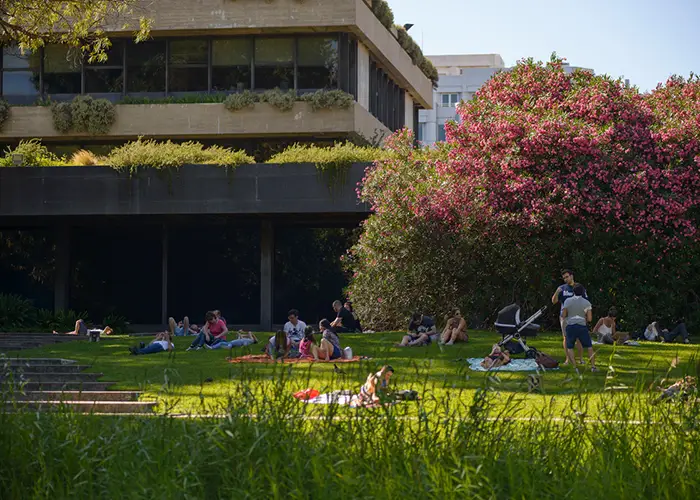
The renovation focused on restoring the building’s original modernist character and improving the relationship between the galleries and the surrounding gardens. Large windows bring views of the landscape into the museum, creating a calm experience in which art, architecture and nature feel closely connected.
Visitors should leave time to explore the Gulbenkian Garden. Shaded paths, lawns, ponds and outdoor sculptures make the cultural complex feel removed from the surrounding city, despite its central location.
Contemporary Art and Architecture at CAM
Across the garden from the Gulbenkian Museum is the Centro de Arte Moderna, commonly known as CAM.
The modern art center reopened in September 2024 after a major transformation led by Japanese architect Kengo Kuma in collaboration with OODA and landscape architects Vladimir Djurovic Landscape Architecture.
A long, curved canopy creates a sheltered transition between the building and gardens, drawing on the Japanese architectural concept of engawa. The design makes the museum feel connected to the landscape rather than enclosed within it.
CAM is dedicated primarily to modern and contemporary Portuguese art. Its collection provides useful context for travelers who want to understand the development of Portugal’s artistic identity while also discovering the artists shaping its current creative scene.
The building and gardens are significant parts of the experience, making CAM especially rewarding for visitors interested in both art and architecture. Current exhibitions and opening information are available from the Centro de Arte Moderna Gulbenkian.
New Perspectives at MAC/CCB
In Belém, the Museum of Contemporary Art at the Centro Cultural de Belém, known as MAC/CCB, continues its ambitious 2026 exhibition program.
Frida Orupabo: Cloud of Confusion remains on view through November 1. Orupabo’s first solo museum exhibition in Portugal examines the way historic and contemporary images shape ideas about race, identity, family and power.
The artist works with a large archive of photographs and digital imagery, transforming selected figures into layered physical and digital collages. By removing images from their original settings and reconstructing them, Orupabo encourages viewers to reconsider how people have historically been represented.
On October 24, the museum opens Ângela Ferreira: Here I Stand. Ferreira’s work frequently examines architecture, history and the lingering influence of colonial systems. The exhibition continues into February 2027.
MAC/CCB is part of the Centro Cultural de Belém, a large riverfront cultural complex that also hosts performances and public events. Its location makes it easy to combine with MAAT, the Jerónimos Monastery and other Belém attractions.
Spend the Night Inside a Museum
Lisbon’s art experience no longer ends when the galleries close.
MACAM, the Museu de Arte Contemporânea Armando Martins, combines a contemporary art museum with a five-star hotel inside the historic Palace of the Counts of Ribeira Grande.
The collection contains more than 600 works assembled over approximately five decades, with an emphasis on modern and contemporary Portuguese and international art. Displays extend beyond the public galleries into the hotel’s rooms, corridors and shared spaces.
Each of the hotel’s 64 rooms contains original art from the MACAM collection. Guests can choose accommodations within the restored 18th-century palace or the property’s contemporary extension.
The result is an unusually immersive experience in which art is part of the entire stay rather than something encountered during a scheduled museum visit.
Lisbon’s Creative Energy Beyond the Museums
Major institutions provide only one perspective on Lisbon’s artistic character.
Chiado and Bairro Alto contain independent galleries, bookstores, design shops and historic theaters, while neighborhoods such as Marvila have become home to studios, creative businesses and contemporary exhibition spaces.
Lisbon’s tradition of decorative tilework also turns an ordinary walk into an architectural tour. Visitors will encounter geometric patterns, religious scenes and colorful decorative panels covering churches, train stations, apartment buildings and public spaces.
The National Tile Museum offers a deeper introduction to the development of Portuguese azulejos. Housed in the former Madre de Deus Convent, its collection traces tile production from the 15th century to the present.
Fall also brings creative events beyond traditional galleries. The Lisbon Contemporary Jewellery Biennial returns in September, bringing attention to experimental jewelry and craftsmanship. ModaLisboa, Lisbon Fashion Week, follows in October, highlighting established and emerging Portuguese designers.
Event dates and admission policies can change, so travelers should check official schedules before visiting.
Planning an Art-Focused Lisbon Itinerary
A three- or four-day stay provides enough time to explore several of Lisbon’s cultural districts without rushing.
One day can be devoted to Belém, beginning at MAAT and continuing to MAC/CCB. Visitors could also include the Jerónimos Monastery or the Museu de Marinha before walking along the riverfront.
A second day can focus on the Gulbenkian complex, dividing time between the reopened museum, CAM and the surrounding gardens.
Chiado, Bairro Alto and the historic center work well for another day. Independent galleries, architecture and design shops can be combined with the National Museum of Contemporary Art and a walk through the city’s tiled streets.
MACAM and the National Tile Museum can be added according to personal interests, while a final afternoon might be left open for smaller galleries or temporary exhibitions discovered during the trip.
Where to Stay in Lisbon
MACAM Hotel
For the most immersive art experience, MACAM Hotel is the natural choice. The property shares its historic palace and contemporary extension with the Museu de Arte Contemporânea Armando Martins.
Original works from the museum’s collection appear in all 64 rooms, while hotel guests receive access to the galleries. Its location between Alcântara and Belém is particularly convenient for visiting MAAT, MAC/CCB and Lisbon’s western riverfront cultural attractions.
Altis Belém Hotel & Spa
Overlooking the Tagus River, Altis Belém Hotel & Spa is a contemporary design hotel close to Belém’s principal museums and monuments.
The hotel is a good option for travelers planning to spend considerable time at MAAT, MAC/CCB and the architectural landmarks around the Jerónimos Monastery. Its waterfront position also provides a quieter alternative to staying in Lisbon’s busiest central neighborhoods.
Bairro Alto Hotel
Bairro Alto Hotel stands between Bairro Alto and Chiado, placing guests within walking distance of galleries, theaters, design shops and the National Museum of Contemporary Art.
The luxury boutique hotel occupies a collection of historic buildings and incorporates Portuguese art and design into its interiors. Its central location is well suited to travelers who want to explore Lisbon primarily on foot while remaining close to restaurants and cultural venues.
Verride Palácio de Santa Catarina
Set inside a restored 18th-century palace, Verride Palácio de Santa Catarina combines historic architectural details with contemporary interiors.
The intimate property has 18 rooms and occupies an elevated position near the Santa Catarina viewpoint. Chiado, Bairro Alto and Cais do Sodré are within easy reach, while views across the Tagus reinforce the hotel’s strong connection to Lisbon’s historic landscape.
A City Where Art Is Part of Everyday Life
What makes Lisbon especially rewarding for art lovers is the way creativity moves between museums and everyday surroundings.
A morning might begin with monumental contemporary sculpture at MAAT, continue through tiled streets and end inside a restored palace filled with modern art. Fashion, architecture, traditional craftsmanship and experimental work exist side by side.
With major exhibitions, renewed museums and one of Europe’s most distinctive art hotels, fall 2026 presents an excellent opportunity to experience Lisbon as both a historic capital and a changing contemporary art destination.