
Carrying a firearm responsibly requires more than choosing the right handgun. The holster plays an equally important role in comfort, safety, concealment, and accessibility. Over the years, I have experimented with different carry methods and holster materials, ranging from synthetic options to hybrid designs. Through that experience, I discovered that a quality leather IWB holster offers a unique combination of comfort, durability, and practicality that continues to make it a preferred choice for many concealed carriers.
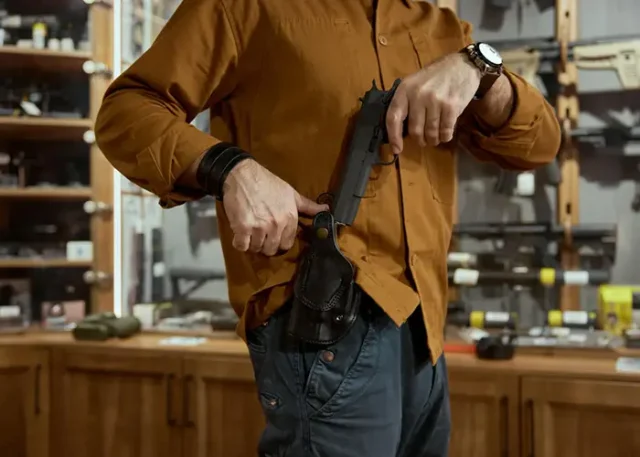
Inside-the-waistband (IWB) holsters are designed to sit between the body and the waistband, allowing the firearm to remain concealed under everyday clothing. While numerous materials are available today, leather remains one of the most trusted options. My experience with leather holsters has shown that their value extends beyond appearance. They provide a balance of comfort and performance that many shooters appreciate for daily carry.
Why Comfort Matters in Everyday Carry
One of the first lessons I learned about concealed carry is that comfort directly affects consistency. A firearm that feels uncomfortable or difficult to carry often ends up being left at home. Since personal protection relies on having the firearm available when needed, finding a comfortable carry solution is essential.
A leather IWB holster gradually molds to the shape of both the firearm and the wearer’s body. Unlike some rigid materials that maintain the same form indefinitely, leather develops a personalized fit over time. This break-in period can significantly improve comfort during extended wear.
When carrying for several hours each day, small differences become noticeable. Pressure points, sharp edges, and excessive rigidity can cause discomfort. Leather’s natural flexibility helps reduce these issues, making long-term carry more manageable. This characteristic was one of the primary reasons I began favouring leather over some alternative materials.
The Importance of Secure Retention
Comfort alone is not enough. A concealed carry holster must also provide secure retention to keep the firearm safely in place. Retention refers to the holster’s ability to hold the firearm during everyday activities such as walking, sitting, bending, or driving.
A well-designed leather IWB holster offers retention through precise molding and craftsmanship. Quality leather conforms closely to the firearm, creating a secure fit while still allowing an efficient draw when necessary.
Many experienced carriers perform routine retention checks to ensure the holster continues to function properly. Leather requires occasional maintenance, but when cared for correctly, it can provide reliable retention for many years.
Security is particularly important because accidental movement of the firearm can compromise concealment and create safety concerns. Choosing a properly fitted holster helps minimise these risks.
How Leather Improves Concealment
Concealed carry is about remaining discreet while maintaining accessibility. Holster design plays a major role in achieving this balance.
A leather IWB holster typically sits close to the body, helping reduce printing, the visible outline of a firearm beneath clothing. As the leather conforms to the wearer’s shape, the overall profile often becomes less noticeable.
Concealment effectiveness depends on several factors, including clothing choice, body type, firearm size, and holster positioning. Many carriers experiment with different carry locations, such as appendix carry, strong-side hip carry, or behind-the-hip carry, to determine what works best for their individual needs.
Through personal experience, I found that leather’s flexibility often makes it easier to adapt to different positions while maintaining comfort and concealment.
Durability and Long-Term Value
One misconception about leather is that it wears out quickly. In reality, high-quality leather has been used for centuries because of its remarkable durability.
A properly maintained leather IWB holster can remain functional for many years. Premium leather resists everyday wear while developing a unique appearance that reflects its use over time. This ageing process, often referred to as developing a patina, is one reason many users appreciate leather products.
Maintenance requirements are relatively straightforward. Regular inspection, proper storage, and occasional conditioning can help preserve the material. Excessive moisture should be avoided, as prolonged exposure can affect the leather’s structure.
Industry experts often recommend replacing any holster that shows signs of cracking, excessive stretching, or compromised retention. Routine inspections ensure the holster continues to perform safely and effectively.
Safety Considerations Every Carrier Should Know
Holster selection directly influences firearm safety. Regardless of material, a quality holster should fully cover the trigger guard. This helps prevent accidental contact with the trigger while carrying or reholstering.
A reliable leather IWB holster should maintain its shape sufficiently to allow safe reholstering without forcing the user to point the firearm in an unsafe direction. Poorly made holsters may collapse excessively, creating unnecessary risks.
Training is equally important. Even the best holster cannot compensate for unsafe firearm handling practices. Responsible carriers should regularly practise drawing and reholstering under safe conditions while following established firearm safety rules.
Professional firearms instructors consistently emphasise that equipment and training work together. Neither should be neglected.
Choosing the Right Leather Holster
Not all leather holsters are created equally. Material quality, stitching, hardware, and overall construction can significantly affect performance.
When evaluating options, several features deserve attention:
- Full-grain leather construction for enhanced durability.
- Reinforced openings that support easier reholstering.
- Strong belt clips or loops for stability.
- Precise firearm-specific molding.
- Quality stitching throughout the holster.
A proper fit is essential. Holsters designed for a specific firearm model generally provide better retention and safety than generic alternatives.
Many carriers also consider factors such as cant angle, ride height, and carry position. These adjustments can influence both comfort and draw efficiency.
Lessons Learned Through Experience
My journey with concealed carry taught me that confidence comes from preparation, training, and dependable equipment. The holster is often overlooked by new carriers who focus primarily on the firearm itself. However, daily carry quickly reveals the importance of choosing the right supporting gear.
Over time, I learned that comfort encourages consistency, secure retention promotes safety, and proper concealment enhances discretion. Leather holsters successfully combine these qualities in a way that continues to appeal to experienced carriers.
While personal preferences vary, leather remains a practical choice because it offers a proven balance of functionality and comfort. The material’s ability to adapt to the user while maintaining durability contributes to its enduring popularity.
Final Thoughts
Carrying responsibly requires thoughtful equipment selection and ongoing training. A quality leather IWB holster can provide the comfort, retention, concealment, and durability necessary for effective everyday carry. Although numerous holster materials are available today, leather continues to hold a respected place among concealed carriers because of its proven performance and long-standing reliability.
My experience has shown that confidence in concealed carry does not come from the firearm alone. It comes from trusting every component of the carry system, including the holster. By prioritising safety, fit, comfort, and quality construction, carriers can make informed decisions that support responsible firearm ownership and everyday readiness.