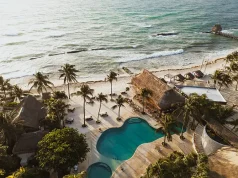
Few destinations have captured the imagination of travelers quite like Tulum. Once a sleepy stretch of Caribbean coastline known primarily to adventurous backpackers and bohemian wanderers, the Mexican beach town has evolved into one of the world’s most recognizable travel destinations.
Yet for many visitors, the appeal of Tulum has never been about trendy beach clubs or social media fame. It has always been about something more difficult to define—the sense of freedom, creativity, connection, and natural beauty that first drew travelers to its shores.
Today, as travelers increasingly seek deeper and more meaningful experiences, a new initiative is encouraging visitors to reconnect with the qualities that made Tulum special in the first place. Called “Return to Tulum,” the experience has been developed by Zorba Collective, the family-owned hospitality group behind Zorba Tulum and Mahayana Tulum, two beachfront properties that have remained closely connected to the destination’s creative and cultural roots.
A Shift Toward Meaningful Travel
The launch comes at a time when travel priorities are changing.
Across the industry, travelers are increasingly choosing experiences focused on authenticity, wellness, creativity, community, and cultural immersion rather than traditional luxury alone. Multi-generational travel, slower itineraries, local-led experiences, and opportunities for personal connection are becoming key drivers of travel decisions.
Tulum is uniquely positioned to meet those expectations. Beyond its white-sand beaches and turquoise waters lies a community shaped by artists, entrepreneurs, wellness practitioners, and local residents who continue to influence the town’s character.
The Return to Tulum concept reflects this shift, inviting visitors to experience the destination through a more thoughtful lens while engaging with the people and stories that continue to shape its future.
Experiencing Tulum Beyond the Beach
Rather than focusing solely on accommodation, the experience is designed around a series of cultural and wellness encounters that encourage a deeper connection with the destination.
Among the highlights is an art-and-culture bicycle tour developed in partnership with Tulum Art Club. Guided by local perspectives, the experience takes visitors beyond the beach road to explore creative spaces, neighbourhoods, and community stories that reveal a different side of Tulum.
Guests can also participate in a traditional Mayan Clay Ritual inspired by regional wellness traditions, offering an opportunity to engage with practices rooted in the cultural heritage of the Yucatán Peninsula.
The emphasis is not on checking off attractions but on creating opportunities for genuine engagement with local culture, creativity, and community.
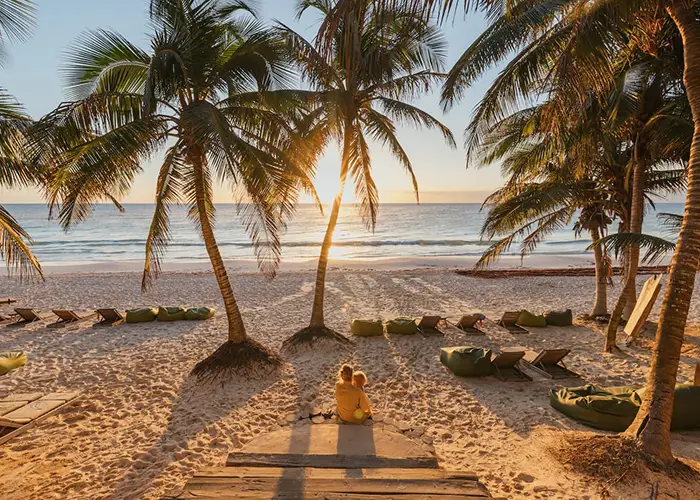
A Family Connection to Tulum
Few people have witnessed Tulum’s transformation as closely as Snowflower Colbeck, co-founder of Zorba Tulum and Mahayana Tulum.
Her family’s connection to this stretch of coastline spans generations, dating back to a time when Tulum remained largely undiscovered by international tourism. Despite the destination’s dramatic growth, Colbeck believes the reasons travelers fall in love with Tulum have remained remarkably consistent.
Visitors continue to be drawn by the area’s natural beauty, creative energy, and the opportunity to disconnect from everyday routines while reconnecting with themselves and those they are traveling with.
That philosophy remains at the heart of both properties, which have long championed a more personal and community-focused approach to hospitality.
Supporting Local Creativity and Community
An important aspect of the initiative is its emphasis on supporting local artists, entrepreneurs, and cultural organizations.
Through partnerships with creative professionals and community groups, visitors are encouraged to engage directly with the people who contribute to Tulum’s unique identity. Experiences include opportunities to meet local creatives, learn about the area’s evolving cultural landscape, and support businesses that remain deeply rooted in the community.
The program also aligns with SoTu, a community-driven initiative focused on preserving the creativity, character, and sense of connection that have long defined this section of Tulum’s coastline.
By fostering stronger relationships between visitors and local residents, the initiative seeks to create tourism experiences that are both meaningful for travelers and beneficial for the community.
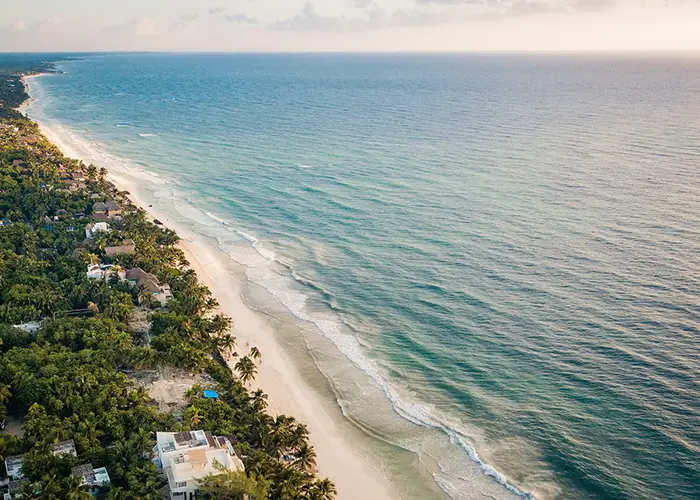
Two Distinct Ways to Experience Tulum
Travelers participating in the experience can choose between two neighbouring yet distinct beachfront properties.
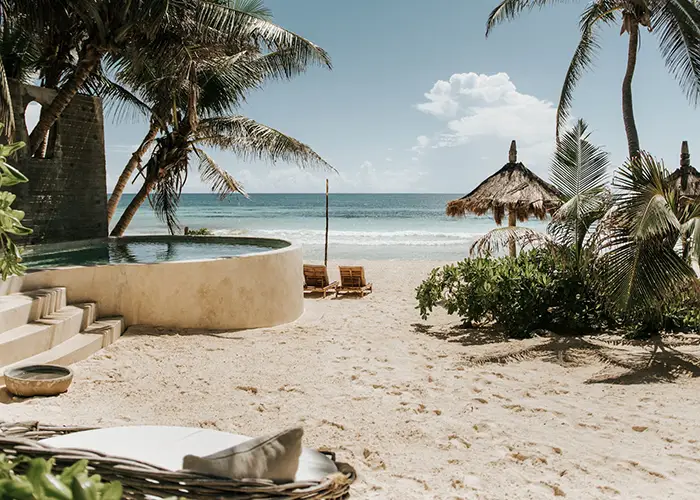
Zorba Tulum is known for its spacious beachfront villas, making it particularly appealing for families, groups, and multi-generational travelers seeking privacy and space. Mahayana Tulum offers a more intimate atmosphere, with boutique accommodations surrounded by tropical gardens in the heart of Tulum Beach.
Both properties embrace a barefoot-luxury philosophy that prioritizes thoughtful design, personalized hospitality, and direct access to one of the most desirable stretches of coastline on Mexico’s Caribbean coast.
The Future of Luxury Travel
Perhaps the most compelling aspect of Return to Tulum is what it says about the future of travel itself.
Luxury today is increasingly defined not by excess but by access—access to meaningful experiences, authentic relationships, local culture, and the time to slow down. Travelers are seeking moments that feel personal rather than curated, and destinations that offer a genuine sense of place.
Tulum’s continued appeal lies not only in its beaches or boutique hotels but in its ability to inspire connection—with nature, with community, and with oneself.
As travelers look ahead to future escapes, initiatives like Return to Tulum suggest that the destination’s most valuable asset may not be its growing popularity, but its enduring ability to remind visitors why they fell in love with travel in the first place.