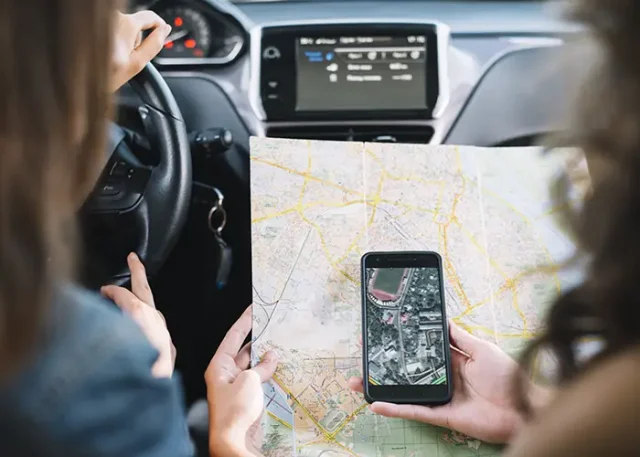
The biggest road trip planning mistake is depending on a fixed itinerary instead of adapting to real-time conditions. Traffic delays, weather changes, fatigue, and spontaneous stops quickly make rigid schedules impractical.
Most road trips run more smoothly as drivers adjust plans based on current location and road conditions. Real-time GPS awareness reduces stress, improves decision-making, and helps travelers respond calmly to unexpected changes.
GPS tracking is especially valuable on family road trips where safety and coordination matter more. Shared location visibility allows quicker responses to issues and provides reassurance to everyone involved in the journey.
What Is the Biggest Planning Mistake People Make Before Long Road Trips?
Long road trips rarely fail due to a lack of preparation; they fail as preparation is treated as static instead of adaptive. Understanding the most common planning mistake helps explain why flexibility, visibility, and real-time awareness matter more than perfectly timed schedules.
Fixed Itineraries
Rigid schedules assume ideal conditions that rarely exist on long road trips. Traffic, weather, and delays quickly make fixed plans unreliable.
Real-Time Awareness
Without live location and condition awareness, travelers rely on assumptions instead of facts. This gap causes small disruptions to escalate into larger problems.
Driver Fatigue
Energy levels change unpredictably during long drives. Rigid plans often discourage timely rest, increasing stress and safety risks.
Lack of Flexibility
Plans without built-in flexibility turn normal delays into frustrating setbacks. Adaptable planning allows calmer and safer decision-making.
Limited Visibility
Without continuous location visibility, progress is difficult to assess accurately. This lack of clarity leads to poor timing, coordination, and route decisions.
Why Do Most Road Trip Plans Fail Once the Trip Starts?
Most road trip plans fail once the trip starts as real-world conditions rarely match what was expected during pre-trip planning.
- Traffic changes: Congestion, accidents, road closures, or construction zones often appear without warning. These delays disrupt carefully planned timelines and cause knock-on effects for lodging, meal stops, and arrival times.
- Weather shifts: Sudden rain, storms, snow, or extreme heat can reduce driving speed and visibility. In some cases, weather conditions force complete route changes or unplanned overnight stops.
- Driver fatigue: Energy levels tend to drop faster than expected, especially on long stretches of driving. Mental exhaustion and reduced focus limit safe driving hours and increase the need for longer rest breaks.
- Unplanned stops: Restroom breaks, meals, refueling, or unexpected vehicle checks add up quickly. These small interruptions often extend travel time far beyond original estimates.
- Lack of real-time visibility: Without live location awareness or adaptive planning, travelers don’t notice delays early enough. As a result, small setbacks compound into major schedule disruptions before adjustments are made.
- Overly optimistic schedules: Many plans underestimate how long driving actually takes, ignoring urban traffic, slower rural roads, or fatigue-related slowdowns. This creates constant pressure to “catch up,” which reduces enjoyment and safety.
How GPS Tracking Changes Road Trip Planning Behavior
GPS tracking changes road trip planning behavior by shifting focus from rigid itineraries to real-time awareness and adaptability. Instead of relying solely on pre-set routes, travelers make decisions based on live location and movement context.
Effective ways to use gps tracker on road trip center on maintaining visibility throughout the journey rather than controlling every stop. Knowing exact position and progress helps travelers anticipate delays, adjust timing, and choose alternatives calmly.
This real-time awareness reduces stress and improves safety by replacing assumptions with verified information. As a result, planning becomes a continuous process that evolves with road conditions rather than breaking down when plans change.
How Does Real-Time Location Awareness Change Road Trip Planning?
Real-time location awareness changes road trip planning by turning it into an adaptive process that responds to actual conditions instead of assumptions.
- Live awareness: Travelers always know their exact position and progress, reducing uncertainty during long drives.
- Better adjustments: Routes, stops, and timing can be modified immediately when delays occur.
- Accurate timing: Arrival estimates update based on real driving conditions rather than pre-trip guesses.
- Reduced stress: Fewer surprises make decision-making calmer and more controlled.
- Safer choices: Visibility into location and pace supports rest breaks and prevents rushed driving.
What Are the Most Practical Ways to Use a GPS Tracker on a Road Trip?
There are several effective ways to use gps tracker on road trip scenarios to prevent planning breakdowns and improve coordination. Rather than acting as a backup tool, GPS tracking becomes part of the planning structure itself.
Route Tracking
A GPS tracker shows real-time movement compared to the intended route. This visibility makes it easier to identify slowdowns early and decide whether to reroute or adjust stops.
Time Management
Accurate location data allows travelers to recalculate arrival times based on actual driving conditions. This prevents rushed driving and unrealistic expectations about daily travel distance.
Emergency Support
When unexpected stops or breakdowns occur, GPS tracking makes it easier to share precise locations or coordinate assistance. Clear location data reduces confusion and shortens response times during stressful situations.
Why Is GPS Tracking Especially Important for Family Road Trips?
GPS tracking is especially important for family road trips, as they involve multiple people, unpredictable movement, and a greater need for coordination.. A portable tracker like the Family1st portable gps tracker supports shared visibility and safety without complicating the travel experience.
Location Sharing
Families often split up during fuel stops, rest areas, or sightseeing breaks. Real-time location visibility allows everyone to stay aware of each other’s position without constant calls or messages.
Child Safety
Children and teens may move independently or lag behind during stops, increasing the risk of separation. Continuous location updates help caregivers respond quickly if someone strays from the group.
Multi-Vehicle Travel
Family trips frequently involve more than one vehicle, making coordination difficult. Live location tracking keeps vehicles aligned on routes, speed, and stop decisions.
Reduced Anxiety
Uncertainty about a family member’s location can quickly create stress during long drives. Consistent visibility reduces worry and supports calmer decision-making.
Emergency Response
Breakdowns, medical issues, or unexpected delays require fast and accurate location sharing. Precise position data enables quicker assistance and turns tracking into a practical safety tool.
What Problems Occur When Road Trips Lack Location Visibility?
- Missed meet-ups: Without real-time position awareness, coordinating stops and reunions becomes difficult. Small timing differences grow into long waits, frustration, and repeated check-in calls that slow the entire group.
- Detour stress: Unplanned route changes feel overwhelming as drivers rely on guesswork instead of clear location context. Uncertainty about how far off-route they are increases anxiety and leads to rushed or poor decisions.
- Emergency delays: In the event of breakdowns, medical issues, or roadside incidents, the inability to share an exact location slows assistance. This delay increases safety risks, especially in unfamiliar or low-traffic areas.
- Poor decisions: Outdated plans and assumptions lead to inefficient routes and inaccurate estimates of remaining travel time. Drivers may push themselves too hard or choose longer paths without realizing better alternatives exist.
- Safety gaps: Limited visibility makes it harder to notice fatigue, long driving stretches, or unsafe pacing. Without shared awareness, warning signs are missed until risk levels are already high.
- Communication overload: When location data is unavailable, travelers rely heavily on calls and messages for updates. This constant communication becomes distracting and increases stress while driving.
- Loss of group cohesion: In multi-vehicle trips, lack of visibility causes convoys to break apart easily. Once separated, regrouping becomes time-consuming and disruptive.
- Reduced adaptability: Without clear location insight, adjusting plans in real time becomes reactive rather than proactive. Minor delays cascade into missed bookings, late arrivals, and rushed decisions later in the trip.
These issues show how the absence of location visibility turns manageable uncertainties into compounding problems that affect coordination, safety, and overall trip experience.
What Should You Look for When Using a GPS Tracker for Road Trips?
Choosing or using a GPS tracker for road trips, several factors matter:
- Tracking accuracy: Reliable, real-time updates are essential for meaningful decisions on the road. High accuracy helps you respond quickly to traffic delays, missed turns, or route changes before they become bigger problems.
- Battery life: Long battery life ensures uninterrupted tracking over extended drives. This is especially important on multi-day trips where frequent charging may not be convenient or possible.
- Coverage reliability: Consistent signal strength matters in rural, mountainous, or remote areas where connectivity is weaker. A dependable tracker minimizes data gaps and ensures you’re not “blind” during critical stretches of the journey.
- Portability: Compact, vehicle-independent devices offer flexibility across different cars or rental vehicles. Portable trackers also make it easier to switch drivers or continue tracking during stops.
- Location history: Access to past location data helps review routes, timing, and stop durations. This insight supports better planning for future trips and helps identify where delays commonly occur.
- Ease of sharing: Simple location-sharing features improve coordination with friends, family, or fellow travelers. Real-time access reduces unnecessary check-ins and reassures others of your progress.
- User-friendly interface: An intuitive app or dashboard allows quick understanding without distractions. Clear visuals and alerts make it easier to act on information while staying focused on driving.
Together, these features support both efficient planning and real-world adaptability, making GPS tracking a practical tool rather than just a passive map.
Final Thoughts
Long road trips fail not due to forgotten planning, but due to planning without adaptability. When planning relies only on fixed routes and estimated timings, even minor disruptions can quickly create stress, confusion, and safety risks.
Integrating GPS tracking into road trip planning adds real-time awareness that keeps decisions grounded in actual conditions. This shift from static preparation to continuous visibility turns long-distance travel into a safer, calmer, and more controlled experience for everyone involved.