As Europe’s traditional summer hotspots continue to swell with crowds and soaring temperatures, a quieter shift is taking place further north. Luxury travelers are increasingly turning their attention to the Dolomites and the Austrian Alps, where crisp mountain air, expansive landscapes, and slower-paced experiences are redefining what a summer escape can look like.
Rather than beach clubs and packed coastlines, this new wave of alpine travel centers on wellness, outdoor adventure, and immersive nature-led stays. Days unfold between forest trails, panoramic peaks, alpine lakes, and restorative spa rituals, offering a more grounded alternative to the Mediterranean’s high-season intensity.
At the forefront of this movement are four standout properties helping to shape the future of luxury summer travel in the mountains.
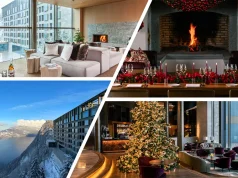
DAS EDELWEISS – Austria’s Elevated Alpine Escape
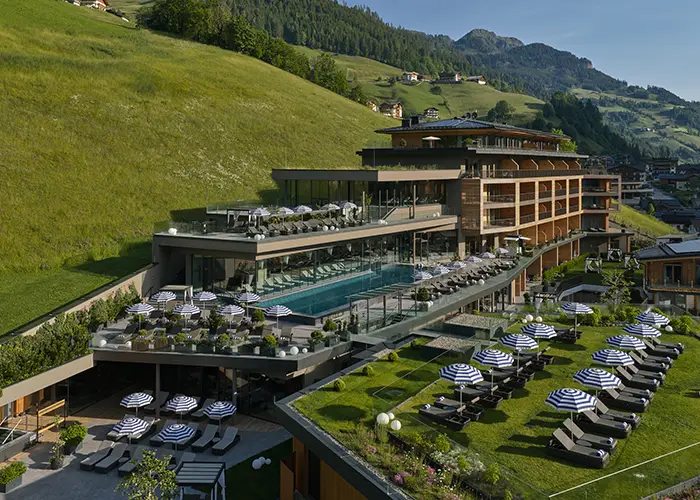
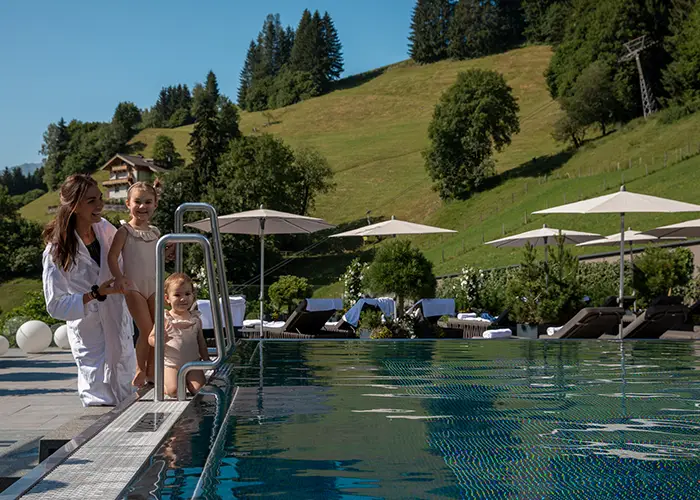
Set in Austria’s scenic Grossarl Valley, DAS EDELWEISS is redefining the concept of a summer mountain retreat. While the surrounding peaks are synonymous with winter sports, the warmer months reveal a landscape ideal for hiking, cycling, and open-air wellness experiences.
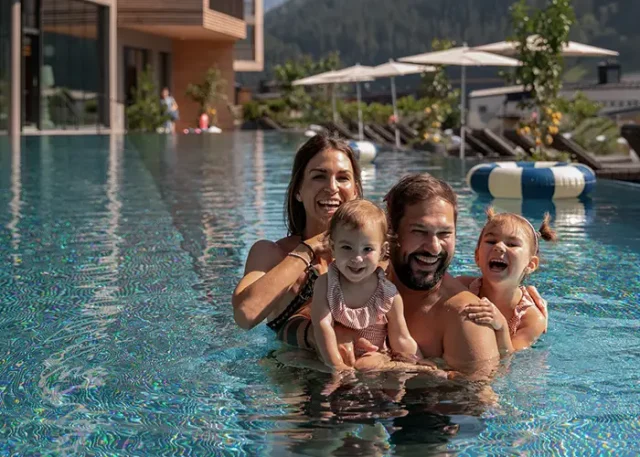
The property is home to one of the largest and most modern spas in the Austrian Alps, offering more than 75,000 square feet of wellness space. Expansive indoor-outdoor pools, panoramic saunas, and restorative treatments create a sanctuary designed for relaxation after active days in the mountains.
Summer programming places a strong focus on movement and mindfulness. Guests can explore guided hikes through alpine terrain, enjoy yoga and breathwork sessions at sunrise, or take advantage of cycling routes that weave through the valley. For families, thoughtfully designed children’s programs and outdoor activities make the resort equally appealing for multigenerational travel.
Dining also reflects the region’s seasonal rhythm, with menus emphasizing local ingredients and contemporary alpine cuisine. The overall experience feels polished yet deeply connected to the surrounding landscape — a modern interpretation of Austrian mountain hospitality.
Castel Badia – A Historic Retreat in the Dolomites
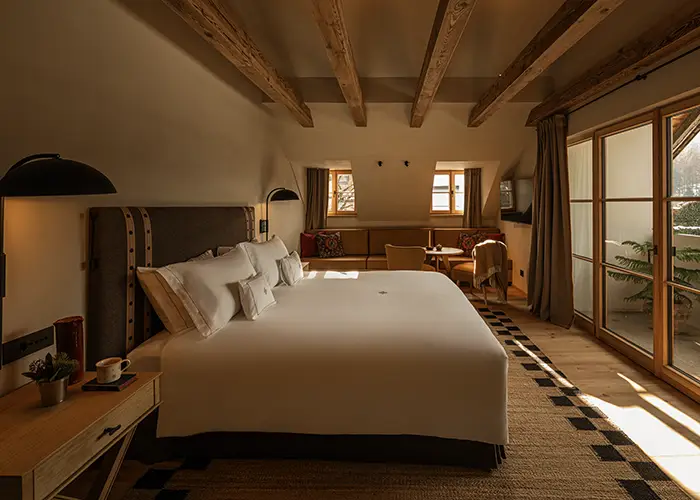
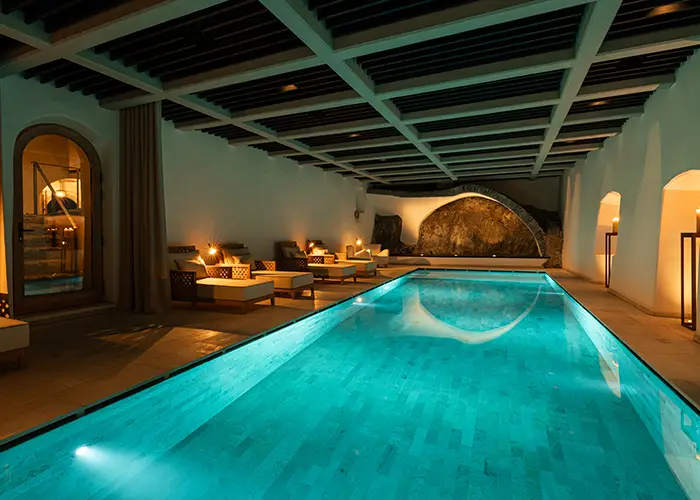
In the heart of the Dolomites, Castel Badia offers a dramatically different perspective on alpine luxury. Housed within a thousand-year-old Benedictine convent in San Lorenzo di Sebato, the property blends centuries of history with understated contemporary design.
Rather than overwhelming the landscape, Castel Badia feels intentionally woven into it. Stone walls, quiet courtyards, and refined interiors create an atmosphere centered on stillness and restoration.
Summer here is designed around the natural rhythm of the Dolomites. Guests can spend their days hiking through dramatic mountain scenery, cycling winding alpine roads, or simply enjoying the slower pace that defines the region. Wellness offerings focus on balance and recovery, complementing the physicality of outdoor exploration.
The culinary experience is equally rooted in place, celebrating local ingredients and regional traditions through elevated mountain cuisine. The result is a stay that feels immersive and deeply authentic — less about spectacle and more about connection to landscape, history, and culture.
Hotel de LEN – Wellness Through Sleep and Recovery
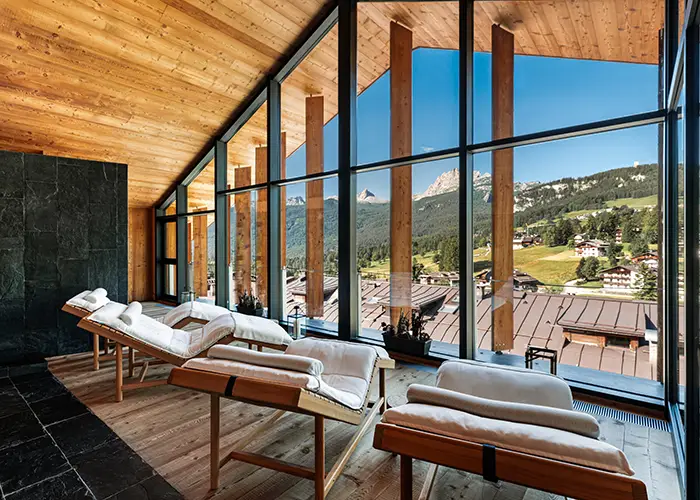
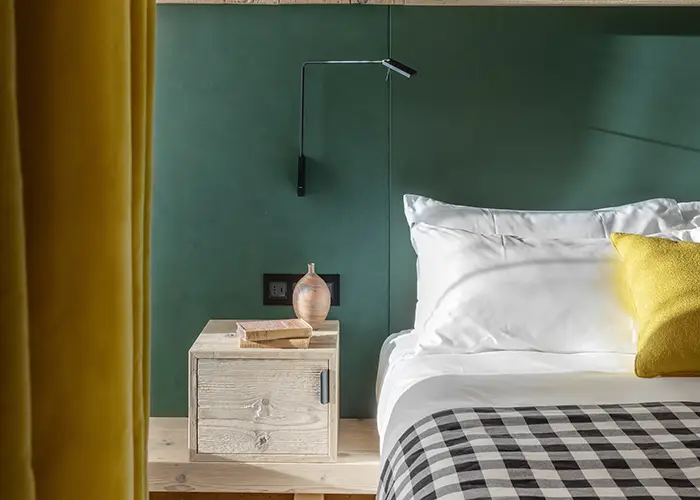
Located in Cortina d’Ampezzo, Hotel de LEN approaches luxury hospitality through the lens of wellbeing and regeneration. Designed with sustainability and restoration in mind, the boutique property has quickly become known for its sleep-focused wellness philosophy.
Interiors combine warm wood tones, natural materials, and minimalist alpine aesthetics to create calming spaces that encourage true rest. Wellness programs center on recovery, offering personalized experiences that include spa therapies, mindfulness practices, and restorative sleep rituals.
The location places guests within easy reach of some of the Dolomites’ most spectacular hiking and cycling trails, making the hotel an ideal base for active summer adventures. Yet the atmosphere remains intentionally serene — a retreat designed as much for slowing down as for exploration.
For travelers increasingly prioritizing wellness while traveling, Hotel de LEN represents a new direction in alpine hospitality: one where recovery is treated as an essential part of the journey.
Hotel Ancora – A Reinvented Cortina Classic
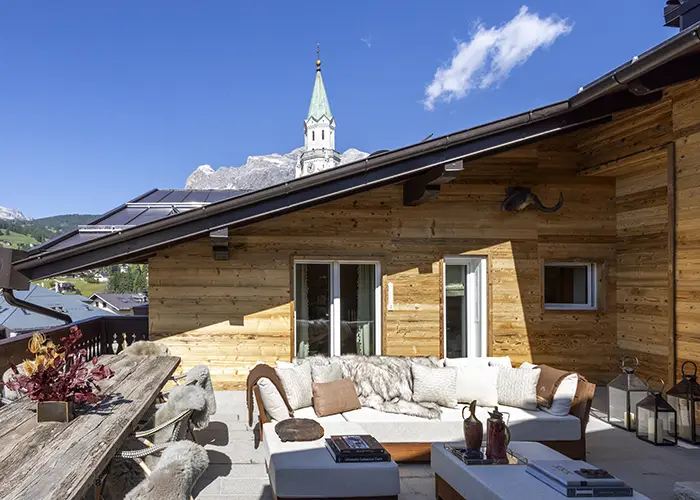
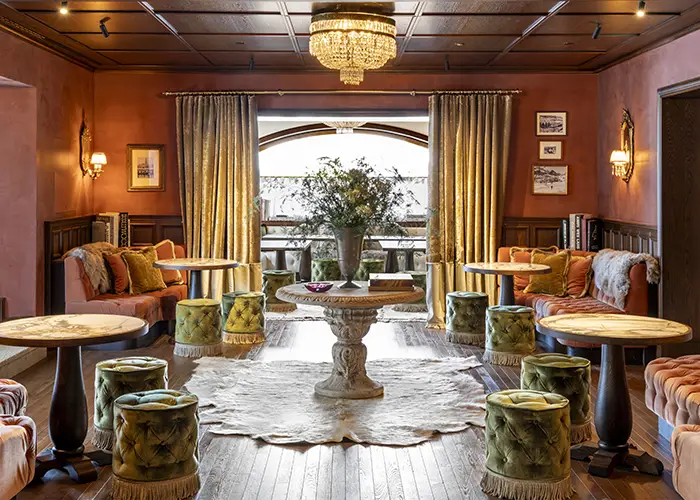
Also located in Cortina d’Ampezzo, Hotel Ancora has long been considered one of the town’s iconic addresses. Now reimagined for a new generation of travelers, the property blends its historic alpine character with contemporary luxury touches.
Its central location offers immediate access to Cortina’s vibrant summer scene, from boutique shopping and café culture to nearby mountain excursions. Guests can spend mornings hiking among dramatic peaks before returning for aperitivo on the terrace as the town transitions into evening.
The redesign introduces a more refined, modern atmosphere while preserving the warmth and personality that made the hotel a landmark in the first place. It reflects the broader evolution of alpine travel itself — heritage destinations adapting to meet the growing demand for experiential, wellness-driven luxury.
The Rise of the Coolcation
Together, these four properties reflect a broader travel trend reshaping European summer tourism: the rise of the “coolcation.” As affluent travelers increasingly seek relief from extreme heat and overtourism, alpine destinations are emerging as compelling alternatives.
The appeal extends beyond climate alone. Travelers are gravitating toward experiences that feel restorative, immersive, and connected to nature. In the Austrian Alps and the Dolomites, luxury is no longer defined solely by exclusivity, but by space, stillness, wellness, and meaningful engagement with the landscape.
For those looking to trade crowded coastlines for mountain air and panoramic peaks, this summer may belong to the Alps.