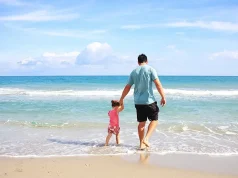


Summer has a way of making everyone restless. School is out, the days run long, and the living room starts to feel smaller by the hour. That is usually when a good family activity earns its place, pulling everyone outside before the screens take over the whole holiday.
This guide sorts outdoor ideas by mood, from low effort afternoons close to home to adventures on the water, and compares how long each one takes and who it suits. Most of it needs no special skills, only a bit of planning, sunscreen, and a willingness to get a little sandy.
What Makes a Good Family Activity in Summer?
A good family activity in summer usually clears a few simple tests. It suits the youngest and oldest members of the group, it has shade or water nearby, and it does not demand a long drive or a hefty budget. Plans that fail one of those tests tend to end early, usually with someone sunburnt, hungry, or bored.
Time of day matters just as much as the activity itself. Mornings and late afternoons are cooler and less crowded, while midday is better for shaded spots, swimming, or a long lunch. Matching the plan to the weakest link, whether that is a toddler’s nap or a teenager’s patience, keeps the day running smoothly.
4 Summer Outdoor Activities Worth Planning With Your Family
Water Sports
Kicking off the list is the classic summer answer: water. Long school holidays are a natural time to head somewhere tropical, and Bali’s dry season, roughly April to October, lines up neatly with the summer break. Beaches and shallow bays suit toddlers, kayaks and paddle boards suit school age children, and snorkelling gives confident swimmers a quiet look at fish and coral.
Nusa Lembongan, a short boat ride from Bali, offers sheltered bays, mangrove tours, and gentle beaches, and older children or certified parents often look at scuba diving in nusa lembongan as a guided way to meet the reef up close, while younger ones snorkel at the surface. Life jackets, close supervision, and a check of each operator’s age and health rules keep it a calm, low stress family activity.
Physical Activities
Frisbee, kite flying, beach volleyball, and backyard obstacle courses burn energy fast and need little more than open space. Rules can stay loose, so a seven year old and a grandparent can play the same game without anyone feeling left out. Teams of mixed ages tend to produce the loudest laughter and the most creative scoring systems.
Cycling is the other classic, and it suits a slightly older crowd. Flat, shaded paths and bike rental shops in parks or coastal towns make it easy to try without owning gear. Helmets are the one non negotiable, and a short route with a snack stop at the halfway point usually keeps younger riders happy.
Hiking and Camping
Short trails with a clear payoff, such as a waterfall, a lookout, or a lake, work well for children under ten. Distances of a few kilometres, regular snack breaks, and a flexible turnaround time matter more than reaching the summit. Older kids can handle longer routes, and a small daypack gives them a sense of responsibility.
Camping is the next step up. A single night at a well equipped campsite introduces tents, campfires, and star filled skies without the commitment of a long trip. Parents who are unsure can start with a backyard campout, then move to a drive up site once everyone knows what to expect.
Picnics
Not every summer outing needs to be loud. A picnic is the easiest place to start: a blanket under a shady tree, a simple lunch, and nothing on the schedule. It also leaves room for quiet extras. Birdwatching, a scavenger hunt, or a stroll to the water’s edge turn a stretch of park or coastline into a game of spotting and naming, and a small notebook, a pair of binoculars, and a checklist of local plants or animals keep curious children engaged for an hour or more.
Picnics suit grandparents, toddlers, and anyone recovering from a busy week, since they ask for very little movement. A spot near a beach adds tide pools to explore at a gentle pace. Early mornings give the highest chance of spotting wildlife, and a quiet voice goes a long way.
How Much Time Should You Spend Outdoors?
Half day plans, like a park picnic or a short beach visit, are easy to fit around naps and meals, and they leave room for rest. Full day plans, such as a hike with a packed lunch or a boat outing, ask for more energy but deliver more memorable stories. Multi day trips, like camping weekends, reward families who already know each other’s limits.
For families who want to dedicate a full day to exploring the water, a guided dive trip is a worthwhile recommendation, usually built around a morning in the water with an instructor, lunch on board or onshore, and a calm return. It suits older children and confident swimmers, so comparing group sizes, boat times, and each operator’s age rules beforehand helps the day run smoothly.
Staying Safe and Comfortable in Summer Heat
Sun protection comes first. Broad spectrum sunscreen of SPF 30 or higher, reapplied about every two hours and after swimming, plus hats and light long sleeves, handles most of the risk. Peak sun usually runs from about 10 am to 4 pm, so shaded activities or water play suit those hours better than long walks.
Hydration deserves a plan too. Carrying more water than seems necessary, adding fruit or electrolyte snacks, and watching for early signs of heat strain such as headaches, flushed skin, or unusual tiredness keeps small problems small. Near water, an adult should always stay within arm’s reach of non swimmers, with life jackets fitted properly.
Quick Answers
What is a good outdoor idea for toddlers?
Short, shaded, and close to water or a playground. A paddling pool, a park with a splash zone, or a picnic with a few simple games usually holds a toddler’s attention for as long as it needs to.
What if the weather turns bad?
Keep a backup in the pocket. Many outdoor plans have an indoor twin, such as a museum, an aquarium, or a cooking afternoon, and light rain jackets make a drizzle part of the adventure.
Are water activities suitable for non swimmers?
Yes, with sensible limits. Shallow water, properly fitted life jackets, and constant adult supervision allow non swimmers to join in. Operators of guided activities usually set their own age and swimming requirements, which are worth checking in advance.
How much does a summer family activity cost?
Anywhere from free to a full day’s budget. Parks, beaches, and local trails cost almost nothing, while boat trips, guided tours, and camping with rentals add up. Mixing one paid outing with several free ones keeps the holiday balanced.
Wrapping Up
The right family activity is the one that matches the group’s ages, energy, and patience, which is rarely the one that looks most impressive online. Close to home ideas build confidence, active games burn off energy, hiking and camping add a taste of adventure, and water outings tie the summer together.
Comparing outing lengths, planning around the heat, and keeping a backup for bad weather turns a loose list of ideas into a summer that actually happens. Everything else, the sandy shoes and sunburnt noses included, becomes part of the story.