

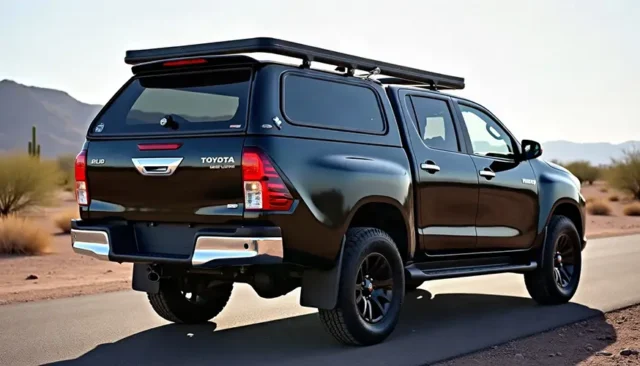
Tools rattling around an open ute tub are exposed to more than bad weather. Road dust gets into cases, loose equipment can be damaged during transport, and valuable gear left in view may attract unwanted attention. A suitable Hilux canopy gives tradespeople and touring drivers an enclosed space to store their equipment, but the benefits depend on choosing a design that suits the vehicle and its daily workload.
Fit is only the starting point. Construction, weather sealing, security and storage access all deserve a closer look before committing to a purchase.
Start With The Equipment You Carry Most Often
A canopy should suit the gear it needs to hold, not the other way around. Tradespeople carrying power tools, electrical equipment and small components may need drawers or lockable compartments to keep everything organised. Someone setting up a touring vehicle might prefer open floor space for recovery gear, camping supplies and bulky luggage.
Start by listing the equipment that travels in the ute each week. Measure the largest items, including their cases, and leave some spare room for protective padding or future additions. A storage setup that fits today’s tools but leaves no flexibility can become inconvenient surprisingly quickly.
Access deserves equal consideration. Frequently used equipment should be easy to reach, rather than buried behind heavier items that need to be moved first. Extra storage capacity sounds appealing, but it is less useful when retrieving a single tool becomes a chore.
Compare Aluminium and Steel Canopy Construction
Material influences the canopy’s weight, durability and suitability for different working conditions. Aluminium is popular because it offers useful strength without adding as much weight as many steel alternatives. That can leave more of the ute’s available payload for tools, passengers and other accessories. Aluminium also resists corrosion naturally, which is helpful when the vehicle regularly encounters rain or damp conditions.
Steel construction may suit applications where a robust enclosure and resistance to impacts are priorities. The trade-off is additional weight, which needs to be included in the vehicle’s overall load calculations.
Neither option guarantees better protection by itself. Door design, panel construction, seals and mounting points all contribute to the finished product’s performance. A well-built canopy made from the more suitable material is generally a better choice than a heavier model selected on appearance alone.
Examine the Seals Before Trusting Weather Protection
Rain and dust can cause different problems. Moisture may damage electrical equipment, while fine dust can work its way into tool mechanisms, cases and stored supplies. Inspect the seals around doors and openings. They should sit correctly when the doors close, without obvious gaps or uneven contact. Ask whether the seals can be replaced and check that the door hardware holds everything firmly in position.
Gravel roads present another challenge. Dust may enter around the tailgate or through gaps elsewhere in the tub enclosure, even when the canopy itself appears well sealed. The complete setup needs attention, not just the canopy panels. No enclosure should be assumed completely waterproof or dustproof in every condition. Check the manufacturer’s stated protection limits and inspect the installation after periods of heavy use.
Look Beyond the Locks When Assessing Security
A locked canopy makes equipment less accessible to opportunistic thieves, although its effectiveness depends on the entire installation. Examine the locking mechanism, door strength and mounting system. Strong locks offer limited reassurance if the canopy is attached poorly to the vehicle.
Internal storage can help, too. Lockable drawers and toolboxes separate valuable equipment from general cargo, reduce clutter and make it easier to notice when something is missing.
Think about where the ute will spend the night. A work vehicle carrying expensive tools may need additional security measures, particularly if it is regularly parked in public areas or left unattended at job sites.
Check Vehicle Compatibility and Total Payload
Two Hilux vehicles can have different fitment requirements depending on their generation, body configuration and tub design. Confirm the exact model year and vehicle specification before ordering, then check the manufacturer’s mounting requirements and installation recommendations.
Weight calculations need more than the canopy’s listed weight. Include mounting hardware, drawers, roof accessories, tools, passengers and other cargo. The combined load must stay within the vehicle’s applicable limits, including axle ratings.
Planning to add roof racks? Check their compatibility and load ratings separately. A canopy’s rated capacity does not automatically establish how much weight every attached accessory can safely carry.
Make Everyday Storage Easier to Manage
Shelving can keep small components separate, while drawers make frequently used tools easier to find. Suitable lighting is useful when loading equipment before sunrise or finishing a job after dark.
Heavy items should be secured against movement during braking and cornering. Where stored equipment requires ventilation, make sure the layout accommodates it safely. The arrangement may also need adjusting as the work changes.
Final Thoughts
A useful canopy does more than cover the ute tub. Its construction, seals, security features and internal layout should suit the equipment being carried, while its weight and mounting system must remain compatible with the vehicle.
Before buying, identify the gear that needs protection, check fitment and plan the storage arrangement. A little preparation can prevent an expensive accessory from becoming an awkward addition to an otherwise practical work vehicle.