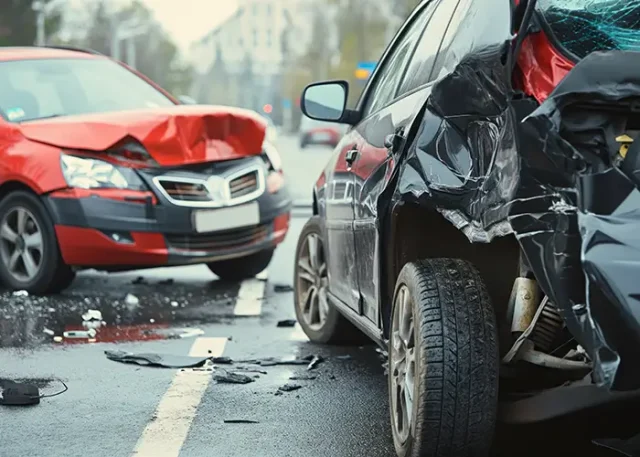
Roadway safety relies on a shared commitment to making responsible choices before getting behind a heavy piece of machinery. When someone ignores those basic rules, the consequences often ripple through entire communities in ways that are hard to quantify.
It isn’t just about a simple traffic violation or a momentary lapse in judgment that leads to a crash. These events represent a complete breakdown of the social contract where the safety of every person on the road is disregarded.
The legal landscape changes significantly when alcohol or drugs enter the equation. Navigating the aftermath of DUI accidents requires a clear grasp of how negligence transforms into a criminal matter and a civil pursuit for recovery that addresses the massive damages and profound suffering caused to everyone involved in these events.
Seeking Justice Through Punitive Awards
Standard compensation usually covers medical bills or lost wages, but some cases involve behavior that is especially reckless and dangerous. These situations go beyond simple mistakes and enter the realm of gross negligence where a driver acts with total indifference toward other innocent humans.
Judges and juries often use punitive damages to send a clear message that certain actions won’t be tolerated in a civilized society. This financial penalty works as a deterrent, punishing the wrongdoer while discouraging anyone else from making similar choices in the future.
While these awards aren’t guaranteed in every legal claim, they serve a vital purpose in the civil system. They ensure that reckless behavior carries a heavy price tag, reinforcing the idea that public safety is far more valuable than a night of convenience.
Holding Establishments Accountable for Safety
Responsibility for a crash doesn’t always stop with the person who was behind the wheel. Many states recognize that businesses serving alcohol have a legal duty to keep their patrons and the public safe from obvious harm by practicing responsible service standards.
Dram shop laws create a path for holding bars or restaurants liable if they continue serving someone who is clearly over the limit. If a business prioritizes profit over safety, they might share the legal burden for the damage their customer causes.
Proving these cases involves looking at exactly how much alcohol was served and whether the establishment followed proper training protocols. It’s a complex area of law that emphasizes how every part of the community plays a vital role in preventing dangerous situations on the road today.
Essential Evidence for Building a Case
Building a strong civil claim requires reliable data points that show exactly what happened during the moments leading up to the collision. This process often starts with the official police report and any observations made by responding officers at the scene.
Toxicology reports provide the scientific backbone for these claims by documenting specific blood alcohol levels or the presence of controlled substances. This objective data is difficult to argue against, creating a clear link between a driver’s impairment and their failure to operate safely.
Field sobriety tests and dashcam footage also offer powerful visual proof of how a driver’s motor skills were compromised. When these pieces of evidence come together, they build a comprehensive narrative that highlights the avoidable nature of the incident and the driver’s clear legal liability.
Healing Beyond the Physical Injuries
The scars left by an impaired driver aren’t always visible on a medical scan or a physical therapy report. Families often deal with deep emotional trauma that persists long after the physical wounds have closed, affecting their ability to work, socialize, or find joy.
Survivors might struggle with anxiety or post traumatic stress when they think about getting back on the road. This psychological weight is a heavy burden that requires time, patience, and professional support to manage while trying to rebuild a sense of safety and normalcy.
Living with the knowledge that a tragedy was entirely preventable adds another layer of grief to the recovery process. It’s a painful reminder that one person’s reckless decision can change the trajectory of many lives forever, leaving a void that no settlement can ever fill.
Conclusion
Pursuing a legal claim is about more than just finding a way to pay for mounting expenses after a wreck. It’s an essential step toward holding people accountable for their actions and making it clear that community safety is a non negotiable priority for everyone.
By addressing the root causes of these incidents through the court system, this assists in creating a culture where responsible choices are the standard. Every successful case serves as a reminder that the rights of victims are protected and that reckless behavior has serious legal consequences.
Taking these steps provides a path forward for those who have suffered while contributing to a safer environment for every driver. Accountability isn’t just about the past, it’s a necessary tool for building a future where these tragedies become rare occurrences.