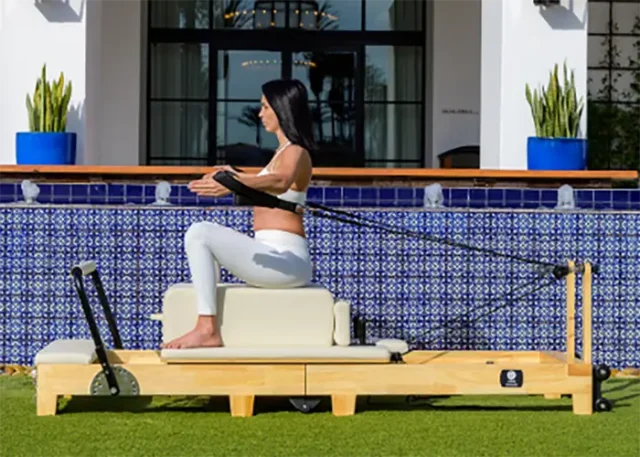
Travel changes the body in small, inconvenient ways. A long flight leaves hips stiff. An unfamiliar bed disrupts sleep. Even short trips can throw off the routine more than expected. For people who travel often, fitness slowly stops being about pushing limits and starts becoming about staying comfortable and capable.
For years, staying active on the road meant improvising. A quiet hotel gym late at night. A quick circuit squeezed in before checkout. It was rarely ideal, but it felt better than doing nothing at all.
That approach is beginning to wear thin. Many travellers are stepping away from workouts that demand intensity and turning toward movement that fits around changing schedules and limited space. Low-impact strength training has found its place here, not as a compromise, but as a practical response to how people actually move while travelling.
Why High-Impact Workouts Clash With Travel Life
High-impact workouts demand ideal conditions. Proper warm-ups. Recovery time. Predictable schedules. Travel rarely offers any of those.
Jumping into intense sessions after flights or long drives often leaves the body feeling worse instead of better. Tight joints become irritated. Fatigue lingers. What was meant to energise ends up draining limited reserves.
For people who travel frequently, the issue is not motivation. It is compatible. The body needs movement that supports it through disruption, not workouts that add more stress.
Low-impact training offers a different entry point. It works with the body instead of against it.
Strength Training Without the Wear and Tear
Low-impact does not mean low effort. It means effort is applied differently.
Movements slow down, a principle central to controlled strength training, which helps build muscle while reducing unnecessary joint strain. Instead of pounding joints, the focus shifts to alignment and precision.
This type of training is easier to repeat. Soreness is manageable. Recovery fits into busy schedules. Strength builds gradually, without demanding long rest periods that travel rarely allows.
For people on the move, that reliability matters more than intensity spikes.
Why Pilates Appeals to Frequent Travelers
Pilates has always prioritised control over force, which reflects what Pilates focuses on in terms of balance, breathing, and joint-friendly strength.
Sessions rely on awareness rather than noise. Small spaces work fine. Equipment does not need to dominate a room. Movements can scale up or down depending on how the body feels that day.
Travel introduces variability. Some days feel strong. Others feel stiff or jet-lagged. Pilates adapts to both without forcing a reset.
As interest grows, many travellers start exploring structured routines like guided Pilates reformer exercises that offer resistance and progression without requiring large gyms or long sessions.
Controlled Resistance Makes Movement Feel Grounded
Resistance changes how the body responds to training. Without it, movement can become vague or rushed. With it, every adjustment matters.
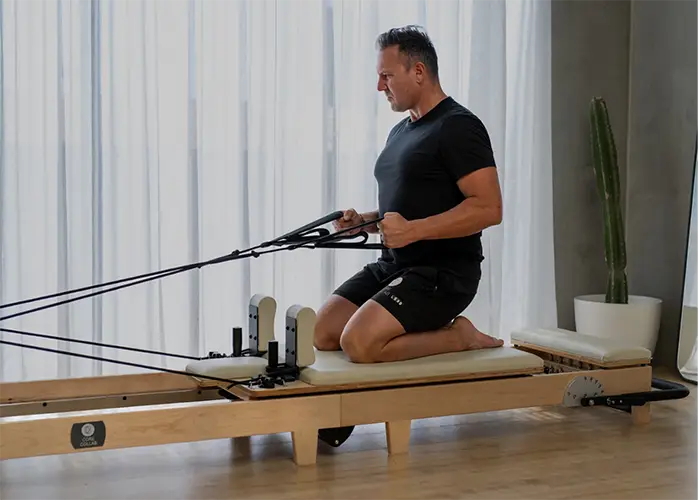
Pilates equipment introduces consistent resistance that slows movement naturally. Muscles cannot switch off. Balance becomes part of every repetition. Form matters more than speed.
For travellers, this structure is helpful. It provides direction without complexity. Sessions feel purposeful, even when time is limited.
Instead of trying to replicate gym workouts on the road, people begin choosing movement that feels anchored and efficient.
Smaller Spaces Are Shaping Fitness Choices
Hotel rooms, apartments, and short-term rentals rarely offer generous workout space. Fitness that demands large setups quickly becomes unrealistic.
This has driven interest in compact training options. Smaller equipment and controlled routines allow strength work without rearranging furniture or hunting for facilities.
When fitness fits into the space available, it becomes easier to maintain. There is less friction between intention and action.
That practicality is one of the reasons low-impact training continues gaining traction among travellers.
Recovery Matters More When You Travel Often
Travel already challenges the nervous system. Flights, time changes, and disrupted sleep all add strain.
Workouts that amplify that stress make recovery harder. Low-impact training does the opposite. Breathing slows the system. Controlled movement reduces joint strain. The body leaves sessions feeling supported rather than depleted.
This enables travellers to have fun and at the same time not to lose energy that could be used to work or explore. Fitness is something that stabilises the day, and not something that challenges the day.
Why Consistency Beats Intensity on the Road
Staying fit during travelling is the most difficult thing to do consistently. It is not that people are not disciplined, but because routine has a weak side.
Low-impact training lowers the barrier to return. Missing a session does not feel like failure. Short workouts still count. Progress remains steady instead of fragile.
That mindset shift changes behaviour. Movement becomes flexible instead of rigid. Fitness survives schedule changes rather than collapsing under them.
Over time, strength builds quietly through repetition, not extremes.
Strength That Supports Movement Beyond Workouts
The benefits of low-impact training often show up outside workouts first. Standing feels easier. Posture improves. Carrying luggage feels less taxing.
These changes matter when travel involves walking, lifting, and long days on the move. Strength becomes functional rather than aesthetic.
Pilates develops this kind of strength well because movements begin from the centre and extend outward. Stability leads, effort follows.
Why This Shift Is Likely to Continue
This trend is not driven by marketing or novelty. It is driven by experience.
People who travel often are learning what their bodies tolerate over time. Systems that demand constant recovery do not last. Methods that support repeatable movement do.
Low-impact strength training fits into modern travel because it respects limitations while still delivering results. It adapts instead of demanding ideal conditions.
Redefining Fitness for a Mobile Lifestyle
For travellers, fitness no longer needs to be extreme to be effective. It needs to be dependable.
Low-impact training offers strength that fits into real life. Small spaces. Tight schedules. Changing energy levels.
As travel continues shaping how people live and work, fitness is evolving alongside it. Quieter workouts are not replacing strength. They are redefining it.