
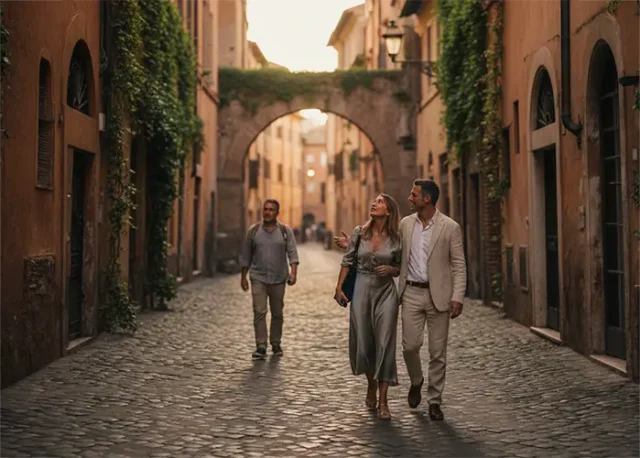
The golden age of travel is no longer about checking boxes or rushing through crowded piazzas just to snap a blurry photo of a marble statue. Today, savvy travelers from New York to Los Angeles are embracing a more intentional philosophy: slow travel. It is the art of lingering, of prioritizing depth over breadth, and understanding that the true soul of a city isn’t found in a guidebook, but in the stories told by those who live there. If you are planning your next European escape, a great way to elevate your experience is to choose private tours in Rome to bypass the noise and focus on the Eternal City’s hidden architectural marvels.
Reimagining the Classics
When we think of Rome, Venice, or Paris, we often envision legendary landmarks. However, the “Slow Travel” revival invites us to reclaim these icons. It’s about visiting the Pantheon at dawn or finding a quiet corner in a Venetian calle where the only sound is the water lapping against ancient stone. To truly immerse yourself in this atmosphere, you should discover Venice’s guided tour by Doooing, which offers a narrative-driven look at the Floating City beyond the typical gondola ride.
Why Context Matters in the Age of Information
In an era where AI can provide instant facts about any monument, the human element has become the new luxury. A professional guide doesn’t just give you dates; they provide the socio-political context of a Renaissance masterpiece or the culinary secrets of a hidden bistro. For those heading to the City of Light, finding the best tours in Paris is essential to navigating the Louvre or Montmartre with a sense of purpose rather than exhaustion.
Strategies for a More Authentic Journey
To practice slow travel effectively in Europe’s busiest capitals, consider these three pillars:
- The Single-Neighborhood Deep Dive: Instead of crossing the whole city, spend an entire day in one district, like Trastevere in Rome or Le Marais in Paris.
- Off-Peak Exploration: Visit major sites during “golden hours” (early morning or late evening) to experience the grandeur without the crowds.
- Expert Mediation: Use local curators and tour operators who specialize in small groups or private departures to ensure the conversation remains personal.
Quality Over Quantity: The Private Tour Advantage
The shift toward private tours isn’t just about exclusivity; it’s about customization. A private guide can pivot the conversation based on your interests—whether you are a history buff, an art enthusiast, or a foodie. This bespoke approach transforms a standard vacation into a transformative educational experience.
Navigating the Cultural Landscape
The “Slow Travel” movement also encourages a more sustainable footprint. By staying longer in one place and engaging with local experts, travelers contribute more meaningfully to the local economy and gain a deeper respect for the heritage they are visiting. Whether it’s decoding the frescoes of a Roman villa or understanding the complex engineering of Venice’s canals, the goal is to leave with a memory that lasts a lifetime, not just a full camera roll.
By choosing to slow down, you aren’t seeing less; you are experiencing more. You are moving from being a mere spectator to becoming a temporary citizen of the world’s most beautiful cities.