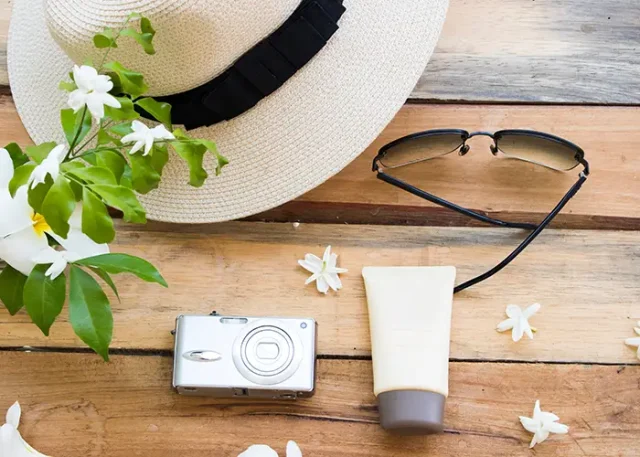
Travel can be restorative for the mind, but it is not always as kind to the skin. Dry airplane cabins, unfamiliar climates, sun exposure, disrupted sleep and changes to your regular routine can leave your complexion feeling dry, irritated or more prone to breakouts.
The solution is not to pack an overflowing cosmetics bag. A simple, consistent travel skincare routine built around cleansing, moisturizing and sun protection is usually easier to follow—and less likely to upset your skin.
Here is how to care for your skin before, during and after a trip, along with several practical skincare products available from Amazon.com.
Why Does Travel Affect Your Skin?
Several parts of the travel experience can influence how your skin looks and feels.
Airplane cabins have low humidity, while changes in temperature can make skin feel either drier or oilier than usual. Long travel days may also mean wearing makeup for extended periods, touching your face more frequently or skipping your normal evening routine.
At the destination, additional factors can include:
- Greater exposure to sunlight
- Heat, humidity or cold weather
- Salt water and chlorine
- Sweat and repeated sunscreen application
- Changes in sleep and meal schedules
- Fragranced hotel toiletries
- Increased air pollution
- Laundry detergents used on hotel linens
The American Academy of Dermatology recommends bringing familiar skincare products rather than relying on hotel toiletries, which may contain fragrances or other ingredients that irritate sensitive skin.
Keep Your Travel Skincare Routine Simple
A basic travel routine only needs three core steps:
- A gentle cleanser
- A moisturizer suited to your skin type
- A broad-spectrum sunscreen with SPF 30 or higher
If you already use a dermatologist-prescribed acne treatment or another active product, continue following the instructions provided by your healthcare professional. A vacation is generally not the best time to introduce several unfamiliar acids, scrubs or treatments.
Skin can become more reactive when exposed to a different climate. Packing products you already know and tolerate reduces the likelihood of unexpected irritation.
Cleanse Without Stripping the Skin
Cleansing removes sunscreen, makeup, sweat, excess oil and the buildup of a long travel day. However, harsh cleansers and repeated washing can strip the skin’s natural barrier and contribute to dryness or irritation.
Choose a gentle facial cleanser appropriate for your skin type. Travelers with oily or acne-prone skin may prefer a light foaming cleanser, while dry or sensitive skin may respond better to a cream or hydrating formula.
The CeraVe Foaming Facial Cleanser, available from Amazon.com, is a fragrance-free option formulated for normal-to-oily skin. Transfer a small amount into a leakproof travel container if the original bottle is too large for your carry-on.
Wash your face after a long flight, strenuous outdoor activity or a day of repeatedly applying sunscreen. Avoid aggressive scrubbing, particularly if your skin already feels dry or windburned.
Do Not Skip Moisturizer
Even oily and acne-prone skin needs moisture. Air travel, air conditioning, cold weather and prolonged sun exposure can all leave skin feeling dehydrated.
Apply moisturizer after cleansing, ideally while the skin is still slightly damp. This helps retain moisture without requiring a heavy layer of product.
The Vanicream Daily Facial Moisturizer is a lightweight, fragrance-free option containing ceramides, hyaluronic acid, squalane and glycerin. Its non-comedogenic formula makes it a practical choice for many travelers with sensitive or breakout-prone skin, although individual reactions can vary.
For long flights, apply moisturizer before boarding rather than attempting a complicated facial treatment at your seat. Reapply when you arrive if your skin feels tight or uncomfortable.
A small amount of petroleum jelly can also help protect dry lips and other areas prone to chafing.
Wear Sunscreen Every Day
Sun protection is one of the most important parts of any travel skincare routine. UV exposure can contribute to sunburn, premature skin aging and skin cancer. It can also make post-acne marks and other areas of discoloration appear darker.
Dermatologists recommend a broad-spectrum, water-resistant sunscreen with an SPF of at least 30. Apply it to exposed skin and reapply approximately every two hours when outdoors, as well as after swimming or heavy sweating.
For the face, EltaMD UV Clear Broad-Spectrum SPF 46 is an oil-free sunscreen formulated for sensitive and acne-prone skin. The bottle is compact enough for a carry-on or day bag.
Remember that sun exposure is not limited to the beach. Sightseeing, patio dining, hiking, boating and sitting next to an airplane or car window can all expose the skin to ultraviolet radiation.
For more advice, read DRIFT’s guide to sun protection during travel.
Prepare for Travel-Related Breakouts
A change in environment can coincide with new blemishes, but squeezing or picking at them can increase inflammation and the likelihood of lingering marks.
Hydrocolloid patches are useful travel companions because they are small, mess-free and easy to use overnight. They cover individual blemishes and discourage touching or picking.
Mighty Patch Original Hydrocolloid Patches come in individually contained sheets that fit easily inside a toiletry bag. Apply a patch to clean, dry skin according to the package directions.
Travelers who regularly use benzoyl peroxide, salicylic acid, adapalene or another acne product can bring their established treatment. Avoid combining several active ingredients for the first time while traveling, as this may cause excessive dryness or irritation.
Persistent, painful or scarring acne should be assessed by a board-certified dermatologist rather than managed exclusively with over-the-counter products.
Avoid Trying New Products on Vacation
A hotel spa, local beauty shop or airport duty-free store can be tempting, but testing several unfamiliar products at once makes it difficult to identify the cause of a reaction.
New fragrances, essential oils, exfoliating acids and rich creams may not agree with your skin. If you buy something new during the trip, consider waiting until you return home to introduce it.
This is especially important before a wedding, cruise, photo shoot or other occasion when you want your skin to look predictable. Consistency is generally more useful than attempting a last-minute skincare overhaul.
Travelers interested in compact alternatives can also explore these travel-size Korean skincare essentials.
Keep Frequently Touched Items Clean
Phones, sunglasses, makeup brushes and pillowcases regularly come into contact with the face. Cleaning them can help remove accumulated oil, makeup and debris.
During a trip:
- Wipe down your phone regularly
- Clean sunglasses around the nose and temples
- Pack clean makeup brushes and applicators
- Avoid sharing face towels or cosmetics
- Change out of sweaty clothing promptly
- Keep used face cloths separate from clean items
- Wash your hands before applying skincare products
- Avoid touching or picking at blemishes
If you are traveling for several weeks, wash makeup brushes and reusable applicators during the trip instead of waiting until you return.
Support Your Skin With Healthy Travel Habits
Skincare products are only part of the picture. Sleep, stress, hydration and eating habits can also affect how you feel during a vacation.
Carry a refillable water bottle and drink regularly, especially during flights and outdoor activities. Staying hydrated is important for overall health, although drinking extra water should not be treated as a cure for acne.
Try to maintain a reasonably consistent sleep schedule and make time to recover after crossing time zones. Remove makeup before going to bed, even after a late dinner or long day of sightseeing.
A varied diet with familiar foods may also be easier on your body than making sudden, dramatic changes. If you have noticed that particular foods consistently affect your skin, plan suitable alternatives rather than relying on restrictive or unproven travel cleanses.
Adapt Your Routine to the Destination
The same skincare routine may feel different in Miami than it does in Montreal.
Hot and Humid Destinations
Choose lightweight, non-comedogenic products and cleanse after heavy sweating. Reapply water-resistant sunscreen frequently, particularly after swimming.
Cold or Windy Destinations
Use a richer moisturizer and protect exposed areas from wind. Lips, cheeks and hands may require additional barrier protection.
Dry or High-Altitude Destinations
Apply moisturizer more frequently and pay particular attention to sun protection. UV exposure can be more intense at higher elevations.
Tropical Destinations
Use sunscreen and insect repellent as directed. If both are required, the Centers for Disease Control and Prevention generally advises applying sunscreen first, followed by insect repellent.
Cities With Heavy Pollution
Cleanse thoroughly at the end of the day to remove sunscreen, makeup and surface buildup without scrubbing aggressively.
What to Pack in a Travel Skincare Kit
A well-organized travel skincare kit might include:
- Gentle facial cleanser
- Lightweight moisturizer
- Broad-spectrum SPF 30 or higher sunscreen
- Lip balm
- Established acne treatment
- Hydrocolloid patches
- Makeup remover
- Hand sanitizer
- Petroleum jelly
- Clean face cloth
- Leakproof travel containers
- Resealable bag for liquids
Keep prescription skincare and essential products in your carry-on. Checked luggage can be delayed, and replacing a specialized product may be difficult at your destination.
Place liquids inside a transparent, resealable bag and tighten every cap before packing. A small piece of reusable wrap beneath a screw cap can provide extra protection against leaks.
A Consistent Routine Is the Best Travel Companion
Maintaining clear, comfortable skin while traveling is less about discovering a miracle ingredient and more about protecting your established routine.
Pack familiar products, cleanse gently, moisturize when needed and use sunscreen consistently. Allow your skin time to adjust to a new climate and resist the temptation to test multiple products at once.
With a compact and dependable skincare kit, you can spend less time worrying about your complexion and more time enjoying the destination.
Frequently Asked Questions
How can I prevent breakouts while traveling?
Continue your usual skincare routine, cleanse after sweating, remove makeup before bed and avoid introducing multiple new products. Keep items that touch your face, including phones and sunglasses, reasonably clean.
Why does my skin break out after flying?
Flying can coincide with dry cabin air, stress, disrupted sleep, prolonged makeup wear and changes to your normal routine. These factors may contribute to dryness, irritation or breakouts in some travelers.
Should I wash my face during a flight?
Most travelers do not need to wash their face during the flight. Cleansing before departure or after arriving is usually more convenient. If you have a particularly long journey, use products you already know your skin tolerates.
What is the most important travel skincare product?
Broad-spectrum sunscreen with an SPF of at least 30 is essential for daytime travel. A gentle cleanser and suitable moisturizer complete a simple basic routine.
Can I take skincare products in my carry-on?
Yes, but liquids, gels and creams must comply with current airport security limits. Check the rules for your departure airport and airline before packing.
When should I see a dermatologist about acne?
Consult a dermatologist if acne is painful, persistent, worsening, leaving scars or dark marks, or failing to improve after several months of appropriate over-the-counter care.