
We live in an age where if a tree falls in a forest and no one is there to post it on their story, it feels like it didn’t happen. For the modern traveler, this creates a strange dilemma. We save money, book flights, and travel thousands of miles to see the world, but as soon as we arrive, we put a glass lens between our eyes and the view. We aren’t just looking at the Eiffel Tower or the Grand Canyon; we are looking for the best angle, the right lighting, and the perfect caption.
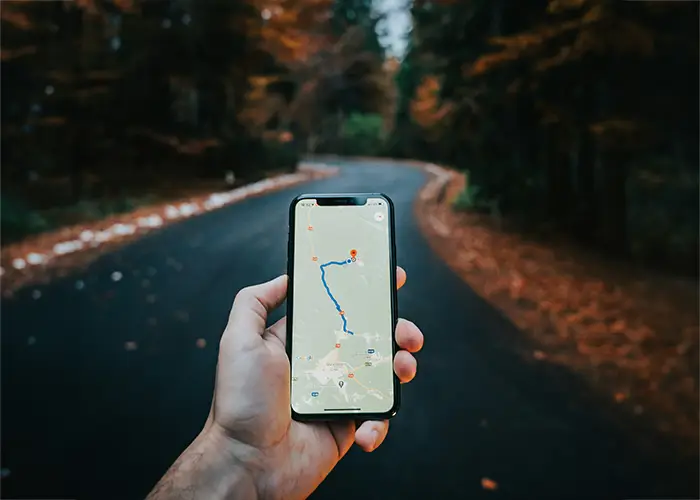
This is the “performative traveler” trap. Instead of living the moment, we are busy curating it for an audience back home. This constant need to perform creates a subconscious level of stress that can ruin the very relaxation we are seeking. While tools like the Liven app can help us manage daily stress and find focus, one of the most powerful things we can do for our mental health while traveling is simply to put the phone away.
Disconnecting from social media isn’t about being “anti-tech.” It is about emotional hygiene. It is about making sure that your joy is yours alone, rather than a product you are selling to your followers. When you stop posting, you start living.
Escaping the Comparison Trap
The biggest thief of joy is comparison. Even when we are standing on a beautiful beach, a quick scroll through social media can make us feel like we are doing it wrong. We see someone else at a “better” beach, or wearing a “better” outfit, or eating “better” food. This is the “Highlight Reel” effect. Social media presents a polished, filtered version of reality that is impossible to compete with.
When you stay logged in, you remain stuck in a dopamine-dependent loop. You post a photo and then spend the next hour checking for likes and comments. Your mood becomes tied to external validation rather than the internal peace of your surroundings. By disconnecting, you step out of the competition. You allow yourself to enjoy a sunset because it is beautiful, not because it will look good on your profile. This shift from external to internal rewards is a massive boost for your mental health.
Enhancing In-The-Moment Memory
There is a psychological phenomenon called the “photo-taking impairment effect.” Studies suggest that when we take a photo of something, our brain “outsources” the memory to the camera. Because we think the phone is remembering it for us, we pay less attention to the details. We remember the act of taking the photo, but we forget the smell of the air, the subtle colors, and the feeling of being there.
Deep immersion requires all five senses. When you aren’t preoccupied with how to caption a moment, your brain is free to fully process the experience. You become more observant. You notice the way a local artist moves his brush or the specific rhythm of the waves hitting the shore. These rich, multi-sensory details are what create lasting memories. When you look back on your trip years later, you won’t need a photo to remind you how you felt; the feeling will be etched into your mind because you were actually there to witness it.
Reclaiming Your Authentic Self
Traveling is one of the few times we get to be “anonymous.” In a new city, nobody knows your job title, your history, or your reputation. This anonymity is a form of psychological relief. It allows you to experiment with being yourself without the weight of expectations. However, social media pulls your “real life” into your travel life. It keeps you tethered to the opinions of people who aren’t even there with you.
When you disconnect, you reclaim your authentic self. You stop being a “content creator” and start being an explorer. You can eat a messy meal, wear a silly hat, or spend three hours sitting on a bench doing nothing without feeling like you have to justify it to anyone. This freedom allows for genuine self-discovery. You find out what you actually like to do when nobody is watching.
How to Disconnect Without Feeling Isolated
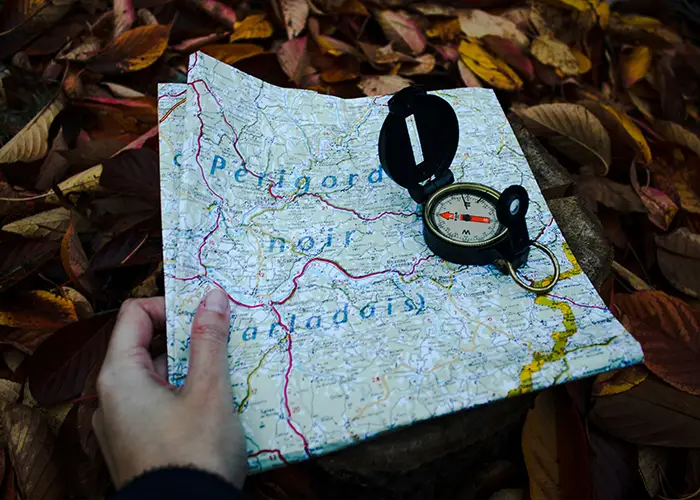
Going “dark” on social media doesn’t have to mean being lonely. It just means changing how you share. You can set boundaries, such as keeping your phone on “Airplane Mode” while you are out sightseeing and only checking in with family at night. This keeps you safe and connected without the constant distraction of feed-scrolling.
Consider analog alternatives for recording your trip. A physical journal is a wonderful way to process your emotions and record your thoughts. Because a journal is private, you are more likely to be honest about your experiences—including the challenges. Film photography is another great tool; because you only have a limited number of shots, you learn to wait for the moments that truly matter instead of snapping a hundred identical digital photos. These methods provide a mood boost because they encourage reflection and patience.
Summing Up
The most meaningful connection you can make while traveling isn’t to the hotel Wi-Fi; it’s the connection you make with your surroundings and yourself. You don’t need an audience for your experiences to be valid. In fact, some of the most beautiful sights in the world are the ones that never make it to the internet.
By choosing to be present rather than performative, you protect your mood and your memories. You allow your trip to be a true “reset” for your mind. Remember, your travels belong to you, not your followers. The best version of your trip is the one you see with your own eyes, not through a screen.