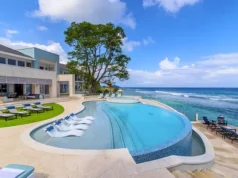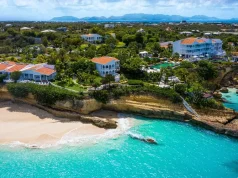

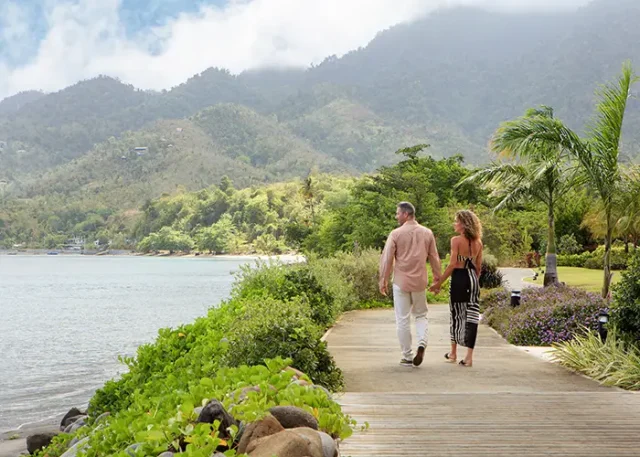
The Caribbean has long been synonymous with white-sand beaches, turquoise waters, and luxurious resorts. Yet beyond the familiar vacation destinations of Jamaica, the Dominican Republic, and the Bahamas lies another Caribbean—one where rainforest trails lead to hidden waterfalls, fishing villages maintain centuries-old traditions, and boutique hotels offer a more intimate connection to island life.
For travelers looking to escape the crowds and discover somewhere different, some of the region’s most rewarding destinations remain surprisingly overlooked.
These islands aren’t necessarily undiscovered. Many have long been favorites among divers, sailors, European vacationers, and travelers who return year after year. What sets them apart is their individuality, their landscapes, and the opportunity to experience the Caribbean beyond the conventional all-inclusive vacation.
From the volcanic landscapes of Dominica to the French-Caribbean charm of Martinique, here are nine underrated Caribbean islands and island destinations worth considering for your next tropical getaway.

1. Dominica: The Caribbean’s Nature Island
Dominica offers a completely different perspective on Caribbean travel. Rather than sprawling beachfront resorts, the island is celebrated for its dramatic volcanic landscapes, lush rainforests, natural hot springs, and remarkable biodiversity.
Known as the “Nature Island,” Dominica is a destination for travelers who prefer hiking boots to beach loungers—although there are beautiful coastal retreats here, too.
One of the island’s most extraordinary attractions is Boiling Lake, a volcanic lake surrounded by steam vents and other geothermal features. The demanding hike through Morne Trois Pitons National Park requires a certified local guide, but rewards adventurous travelers with an unforgettable encounter with the island’s volcanic interior.
Other highlights include Trafalgar Falls, the emerald waters of Emerald Pool, and Champagne Reef, where volcanic gases create streams of bubbles rising through the sea.
For those interested in exploring more of the island, the Waitukubuli National Trail stretches across Dominica, connecting coastal communities, rainforest landscapes, and mountainous terrain.
Dominica has also developed an appealing collection of small luxury resorts and eco-conscious accommodations that complement its natural surroundings.
Best for: Adventure travelers, hikers, nature lovers, and couples seeking an intimate Caribbean retreat.
Don’t miss: A guided hike to Boiling Lake, followed by a restorative soak in one of Dominica’s natural hot springs.
Read more about Dominica’s recognition as one of the Caribbean’s top islands.
2. Grenada: The Spice Island With a Taste for Adventure
Grenada may be best known as the Spice Island, but its appeal extends far beyond fragrant nutmeg, cinnamon, and cocoa plantations.
This southern Caribbean destination combines gorgeous beaches, rainforest adventures, colorful towns, and a rich culinary culture that makes exploring the island especially rewarding.
Grand Anse Beach, a sweeping stretch of soft white sand overlooking calm turquoise waters, ranks among the island’s most recognizable attractions. Yet visitors willing to venture inland will discover an entirely different side of Grenada.
Grand Etang National Park and Forest Reserve offers rainforest walks, crater-lake scenery, and access to waterfall hikes, while the island’s cocoa estates provide a fascinating introduction to Grenada’s chocolate-making traditions.
Underwater, the Molinere Underwater Sculpture Park presents an unusual combination of art and marine conservation, with sculptural installations that visitors can explore on guided snorkeling and diving excursions.
The colorful capital of St. George’s is another highlight. Its horseshoe-shaped harbor, historic architecture, markets, and waterfront restaurants provide an excellent introduction to everyday island life.
Grenada is also an appealing choice for travelers who want a combination of beach relaxation and genuine destination exploration without sacrificing comfort.
Best for: Food lovers, couples, snorkeling enthusiasts, and travelers seeking a combination of beaches and culture.
Don’t miss: A chocolate-making experience at Belmont Estate and a snorkeling excursion to the underwater sculpture park.
3. Bequia: The Caribbean’s Sailing-Inspired Escape
Part of Saint Vincent and the Grenadines, Bequia is a small island with an enormous amount of charm.
Pronounced “Beck-way,” this beautiful destination has long attracted sailors, independent travelers, and visitors seeking an alternative to the Caribbean’s larger resort islands.
Life revolves around Port Elizabeth and Admiralty Bay, where colorful waterfront buildings overlook a harbor dotted with sailboats and yachts.
The island’s maritime heritage remains an important part of its identity, from traditional boatbuilding to the relaxed waterfront atmosphere that defines daily life.
Bequia’s beaches are equally appealing. Princess Margaret Beach and Lower Bay offer golden sand, clear waters, and inviting places to spend an afternoon swimming or relaxing beneath the palms.
Unlike destinations dominated by enormous hotel complexes, Bequia specializes in boutique properties, private villas, and charming guesthouses.
The island is particularly suited to travelers who enjoy leisurely days, small restaurants, boat excursions, and the simple pleasure of watching a Caribbean sunset from a waterfront terrace.
Getting there typically involves an onward flight or ferry connection, often through neighboring Saint Vincent. That extra journey is part of what helps Bequia retain its distinctive atmosphere.
Best for: Couples, sailing enthusiasts, boutique hotel lovers, and travelers seeking a quieter beach vacation.
Don’t miss: Exploring Admiralty Bay by boat and spending an afternoon at Princess Margaret Beach.
For another intimate escape in the Grenadines, discover DRIFT Travel’s pick on Mayreau.
4. Nevis: Understated Luxury and Timeless Caribbean Charm
While neighboring St. Kitts receives much of the attention, Nevis offers a compelling combination of sophisticated hospitality, fascinating history, and tropical scenery.
The island is dominated by Nevis Peak, a lush volcanic mountain rising dramatically above the coastline.
Around its lower slopes, former plantation estates have been transformed into intimate hotels, restaurants, and beautifully landscaped retreats.
Visitors will find historic buildings, quiet roads, botanical gardens, and beaches that encourage a slower approach to vacationing.
Pinney’s Beach is one of the island’s best-known stretches of sand, with beach bars, restaurants, and views across the water toward St. Kitts.
Nevis is also home to some exceptional accommodations, ranging from the beachfront Four Seasons Resort Nevis to smaller plantation-inspired boutique hotels.
The island’s colonial history, including its association with Alexander Hamilton, provides another dimension for travelers interested in exploring beyond the beach.
For couples, Nevis offers the kind of discreet luxury that feels personal rather than extravagant. It’s a place where afternoon spa treatments, leisurely lunches, and sunset walks can comfortably fill an itinerary.
Best for: Romantic escapes, luxury travelers, wellness vacations, and history enthusiasts.
Don’t miss: Exploring historic Charlestown and dining at a restored plantation estate.
5. Saba: A Tiny Island With Extraordinary Adventures
For travelers who believe the Caribbean is all about beaches, Saba delivers a wonderful surprise.
This tiny Dutch-Caribbean island rises steeply from the sea, with dramatic volcanic scenery, colorful villages, and some of the region’s most memorable hiking and diving experiences.
Unlike traditional Caribbean resort destinations, Saba has virtually no conventional sandy beaches. Instead, its greatest attractions are found in its mountain landscapes and surrounding marine environment.
Mount Scenery, rising approximately 2,877 feet above sea level, is the highest point in the Kingdom of the Netherlands. The challenging trail to its summit passes through lush vegetation and a cloud forest, with panoramic views when the weather is clear.
Beneath the surface, Saba National Marine Park is known for protected dive sites, volcanic underwater formations, and abundant marine life.
The island’s charming villages, including Windwardside and The Bottom, feature traditional cottages, small restaurants, and a welcoming atmosphere.
Saba is generally reached by a short flight or ferry journey from Sint Maarten, making it an interesting addition to a multi-island Caribbean vacation.
Its limited number of accommodations and emphasis on outdoor experiences make Saba particularly attractive to visitors seeking somewhere genuinely different.
Best for: Scuba divers, experienced hikers, nature enthusiasts, and adventurous couples.
Don’t miss: Climbing Mount Scenery and exploring Saba’s protected underwater world with a licensed dive operator.
6. Tobago: An Authentic Caribbean Experience Rich in Nature and Culture
Tobago often finds itself overshadowed by its larger sister island, Trinidad, and by more heavily promoted Caribbean resort destinations.
Yet this beautiful island has all the ingredients for a memorable tropical escape: sheltered beaches, rainforest-covered mountains, vibrant traditions, and exceptional wildlife.
Pigeon Point is perhaps Tobago’s most recognizable beach, with soft sand, swaying palms, and picturesque turquoise water.
Nearby, Buccoo Reef and the shallow Nylon Pool are popular destinations for boat excursions and snorkeling.
Away from the coast, the Main Ridge Forest Reserve offers a completely different experience. Established in 1776, it is recognized as one of the world’s earliest legally protected tropical forest reserves.
Birdwatchers are particularly well rewarded, with opportunities to spot hummingbirds, motmots, and numerous other species.
Tobago’s fishing villages, including Castara and Speyside, provide a more personal connection to island life. Visitors can discover traditional cooking, small locally operated accommodations, and coastal communities where fishing remains central to daily routines.
For travelers interested in Caribbean culture as much as the beaches, Tobago offers a wonderfully balanced vacation experience.
Best for: Wildlife lovers, birdwatchers, beach enthusiasts, and travelers interested in local culture.
Don’t miss: A guided walk through Main Ridge Forest Reserve and a visit to Castara’s beautiful coastal village.
7. Bonaire: A Caribbean Paradise Beneath the Surface
Bonaire has an established reputation among scuba divers, but this Dutch-Caribbean island deserves wider recognition as a destination for snorkeling, nature exploration, and relaxed coastal vacations.
Located in the southern Caribbean, Bonaire offers a distinctive landscape of rugged coastline, cactus-covered countryside, salt flats, and clear waters rich in marine life.
The Bonaire National Marine Park protects the waters surrounding the island and neighboring Klein Bonaire, making marine conservation an essential part of the destination’s identity.
One of Bonaire’s greatest attractions is the accessibility of its underwater sites. Many popular diving and snorkeling locations can be reached directly from shore, although conditions and entry points vary.
Travelers who prefer to remain above the water can enjoy kayaking through mangrove environments, exploring salt-producing landscapes, and observing flamingos in their natural habitat.
Washington Slagbaai National Park, in the island’s north, provides a rugged contrast to the coast, with scenic driving routes, protected landscapes, and wildlife-viewing opportunities.
The capital, Kralendijk, adds colorful waterfront buildings, outdoor dining, and a pleasantly relaxed atmosphere.
Visitors should be aware that Bonaire requires an official nature fee for most recreational use of its protected marine waters and national park.
Best for: Divers, snorkelers, nature enthusiasts, and active travelers.
Don’t miss: A snorkeling excursion to Klein Bonaire and a day exploring Washington Slagbaai National Park.
For more inspiration, read DRIFT’s Bonaire travel guide.
8. Guadeloupe: French-Caribbean Culture Meets Tropical Adventure
Guadeloupe offers a captivating blend of French influences, Creole traditions, beautiful coastlines, and extraordinary natural landscapes.
Technically an archipelago rather than a single island, Guadeloupe’s two principal islands, Grande-Terre and Basse-Terre, are connected by bridges but offer remarkably different experiences.
Grande-Terre is known for its beaches, coastal towns, and welcoming seaside restaurants. Basse-Terre, meanwhile, is a paradise for nature lovers, with rainforest landscapes, waterfalls, and the dramatic La Soufrière volcano.
One of the region’s outstanding underwater attractions is the Cousteau Reserve, located near the Pigeon Islets off Basse-Terre, where snorkeling and diving excursions reveal colorful marine ecosystems.
The archipelago also provides wonderful opportunities for island hopping.
Les Saintes, especially Terre-de-Haut, offers picturesque villages and spectacular bay views, while Marie-Galante is known for its beaches, rural heritage, and rum-making traditions.
Food is another compelling reason to visit. Guadeloupe’s cuisine combines French culinary techniques with Caribbean ingredients and Creole flavors, creating a dining experience that is distinctively its own.
For travelers seeking both tropical relaxation and cultural discovery, Guadeloupe is an excellent alternative to a conventional Caribbean resort vacation.
Best for: Food lovers, adventurous couples, island-hopping enthusiasts, and travelers interested in French-Caribbean culture.
Don’t miss: Snorkeling in the Cousteau Reserve and taking a ferry excursion to Les Saintes.
9. Martinique: A Taste of France in the Caribbean
Martinique combines the romance of French culture with the natural beauty and warmth of the Caribbean.
This mountainous island is home to beautiful beaches, lush tropical gardens, colorful fishing villages, and a culinary tradition shaped by both French and Creole influences.
In the north, Mount Pelée dominates the landscape. The volcano and the northern Pitons’ forests form part of a UNESCO World Heritage Site, offering rewarding opportunities for hiking and nature exploration.
Nearby, Saint-Pierre provides a fascinating look at Martinique’s history, including the devastating volcanic eruption of 1902.
Farther south, the island reveals its softer side.
Les Anses-d’Arlet is among Martinique’s most picturesque coastal communities, with traditional architecture, clear waters, and beaches ideal for swimming and snorkeling.
The island is also known for its remarkable botanical gardens, including Jardin de Balata, where tropical flowers, palms, and elevated walkways create a memorable experience.
For food enthusiasts, Martinique is particularly appealing. Open-air markets, waterfront restaurants, local seafood, and the island’s renowned rhum agricole offer abundant opportunities for culinary discovery.
Boutique hotels and private villas add to Martinique’s romantic appeal, making it a wonderful option for couples who want something beyond the standard beach vacation.
Best for: Couples, food and wine enthusiasts, cultural travelers, and nature lovers.
Don’t miss: Exploring Les Anses-d’Arlet and discovering the island’s rum-making heritage.
Discover more in DRIFT’s guide to Martinique’s rum distilleries.
How to Choose the Right Underrated Caribbean Island
The beauty of exploring lesser-known Caribbean destinations is that no two islands offer quite the same experience.
For travelers who want adventure, Dominica and Saba are outstanding choices, with rainforest hikes, volcanic terrain, and impressive natural attractions.
Couples seeking romantic surroundings and boutique luxury should consider Nevis, Bequia, or Martinique, while food enthusiasts will find plenty to discover in Grenada, Guadeloupe, and Martinique.
For exceptional marine experiences, Bonaire stands out as a destination where snorkeling and diving can become the central focus of an entire vacation.
Tobago, meanwhile, appeals to travelers who appreciate a combination of wildlife, beach relaxation, and authentic island culture.
The best choice depends less on which island has the most famous beach and more on what kind of Caribbean experience you’re hoping to discover.
Where to Stay: Boutique Hotels and Caribbean Hideaways
These nine destinations offer accommodations ranging from luxurious villas and beachfront resorts to intimate inns and eco-conscious retreats.
Here are several properties worth considering when planning your vacation:
- Dominica: Secret Bay — a luxury villa resort surrounded by tropical vegetation near Portsmouth.
- Grenada: Mount Cinnamon Beach & Wellness Resort — a boutique resort overlooking the Grand Anse area.
- Bequia: Bequia Beach Hotel — an intimate beachfront resort on Friendship Bay.
- Nevis: Montpelier Nevis — a historic plantation-style retreat in the foothills of Nevis Peak.
- Saba: Juliana’s Hotel — a small property in Windwardside, conveniently located for hiking and village exploration. Travelers can also browse Saba accommodations on Booking.com.
- Tobago: Castara Retreats — hillside eco-style accommodations overlooking Castara Bay.
- Bonaire: Harbour Village Beach Club — a waterfront retreat with access to marine adventures.
- Guadeloupe: La Toubana Hotel & Spa — an upscale coastal hotel near Sainte-Anne.
- Martinique: French Coco — a boutique hotel near the Caravelle Peninsula.
Availability, amenities, and operating arrangements should always be confirmed before making reservations.
When Is the Best Time to Visit These Caribbean Islands?
For many Caribbean destinations, December through April is a popular travel period, offering relatively drier weather and appealing conditions for beach vacations and outdoor activities.
Traveling during the shoulder seasons can sometimes mean fewer visitors and greater flexibility when choosing accommodations.
However, weather patterns vary considerably across the region. The Atlantic hurricane season officially runs from June through November, and travelers should carefully consider weather conditions, flexible travel arrangements, and suitable insurance when planning a vacation during that period.
Southern Caribbean destinations such as Bonaire and Tobago are generally less exposed to the main Atlantic hurricane tracks, but no Caribbean destination is completely immune to tropical weather disruptions.
For smaller islands such as Bequia and Saba, travelers should also allow sufficient time for regional flight or ferry connections.
Frequently Asked Questions About Underrated Caribbean Islands
What is the most underrated Caribbean island?
There is no single answer, as the ideal destination depends on personal travel preferences. Dominica is an exceptional option for nature and adventure, Bequia appeals to travelers seeking secluded beaches and sailing culture, while Saba offers a particularly unusual combination of mountain hiking and scuba diving.
Which Caribbean islands are best for avoiding large resorts?
Saba and Bequia are attractive options for travelers who prefer smaller accommodations and a more intimate island atmosphere. Nevis and Tobago also offer boutique hotels and quieter coastal areas, although visitor levels vary with the season.
What are the best Caribbean islands for couples?
Nevis, Bequia, Martinique, and Grenada are particularly appealing for romantic vacations. These destinations offer combinations of boutique hotels, beautiful scenery, intimate restaurants, and memorable experiences for two.
Which underrated Caribbean islands are best for snorkeling and diving?
Bonaire is an outstanding choice, with an extensive protected marine environment and numerous shore-accessible sites. Saba is also popular with divers, while Grenada and Guadeloupe offer memorable underwater attractions and guided snorkeling experiences.
Can you visit more than one Caribbean island on the same vacation?
Absolutely. Bequia can be combined with Saint Vincent or other islands in the Grenadines, while Nevis pairs naturally with St. Kitts. Saba can be reached from Sint Maarten, and Guadeloupe provides several opportunities to explore neighboring islands by ferry. Travelers should verify schedules and allow extra time between connections.
Discover a Different Side of the Caribbean
The Caribbean’s greatest appeal lies in its extraordinary diversity.
While its famous beaches and luxury resorts will always attract travelers, some of the most memorable vacations happen in places where the pace is slower, the landscapes feel more personal, and local culture remains central to the experience.
Whether you’re hiking through the rainforest in Dominica, sailing into Bequia’s picturesque harbor, exploring underwater reefs in Bonaire, or enjoying a leisurely French-Caribbean lunch in Martinique, these underrated Caribbean islands offer compelling reasons to explore beyond the obvious.
Sometimes the most rewarding island vacation isn’t about finding the most famous destination. It’s about discovering the place that feels just right for you.